
Plants
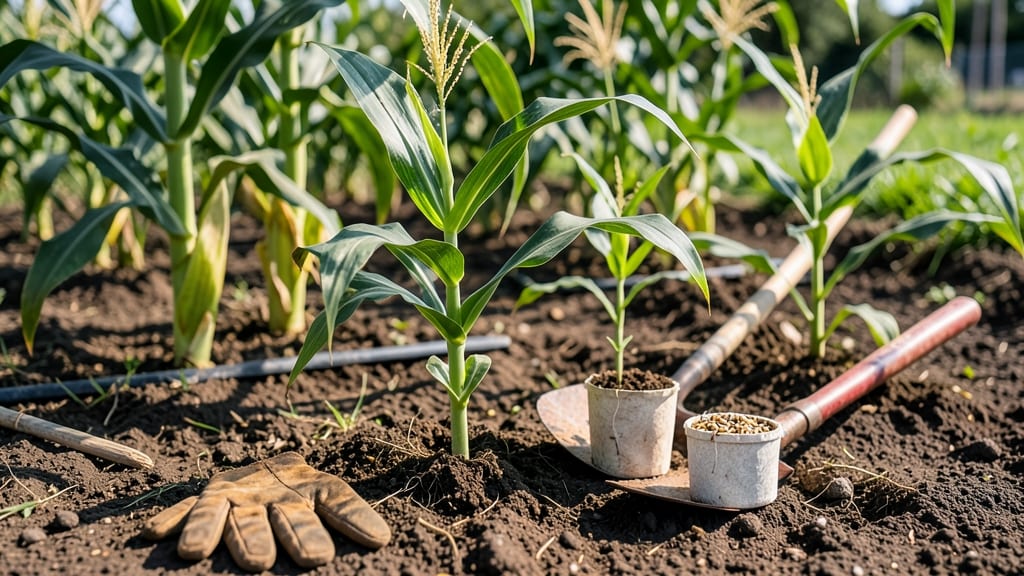
Planting corn in Phoenix isn't just about timing—it's about outsmarting the desert's brutal heat before your 🌽 crop bolts into oblivion. The key to success?
Starting seeds 3 months before summer's relentless sun peaks, when soil temps hover around 60°F and the monsoon season hasn't yet turned your garden into a swamp.
Most gardeners here make one critical mistake: waiting until spring to plant. By then, the 120-degree afternoons will have your corn struggling to survive, let alone produce sweet ears.
Instead, aim for late December through February, when cooler temps give your plants the 60-90 days they need to mature before the real heat arrives.
But here's the game-changer: not all corn varieties handle Phoenix's climate the same way. Some bolt prematurely, while others wilt under the relentless sun. I'll show you which heat-tolerant varieties actually thrive here—and how to protect your plants with shade strategies that keep them growing instead of wilting.
Ready to grow corn that doesn't just survive Phoenix summers but thrives in them? Let's dive into the exact planting schedule, watering hacks, and variety picks that'll have you harvesting plump ears by June—no guesswork required.
Best planting windows for Phoenix corn: avoiding heat stress
Phoenix’s 120-degree summers can turn corn into a high-risk crop, but timing is everything. The key is planting when soil temperatures stay below 85°F (29°C)—before monsoon rains and extreme heat disrupt growth.
My two ideal windows are February-March and August-September, each offering a 120-day harvest before the worst heat arrives.
Corn thrives in USDA Zone 9b, but Phoenix’s heat intensity demands precision. Plant too late, and your crop will bolt prematurely or wilt under 110°F+ days.
Too early, and spring rains can rot seeds. The solution? Calculate backward from your first frost-free date (which, in Phoenix, is year-round—but monsoons change the game).
Here’s the breakdown: Aim for a 90-120 day variety (like ‘Ambrosia’ or ‘Pioneer 39T22’) and plant when nighttime temps dip below 75°F (24°C). That’s your sweet spot for germination without heat stress. Use a soil thermometer—ideal temps are 60-70°F (15-21°C).
| Planting Window | Soil Temp Requirement | Heat Risks | Harvest Window | Best Varieties |
|---|---|---|---|---|
| Feb–March | 60–70°F (15–21°C) | Spring heat spikes (avoid late March) | May–June (before monsoons) | ‘Peaches and Cream’, ‘Silver Queen’ |
| Aug–Sep | 70–75°F (21–24°C) | Late-season bolting (plant early Aug) | Nov–Dec (cool harvest) | ‘Pioneer 39T22’, ‘Ambrosia’ |
For the February-March window, start seeds indoors in late January to give seedlings a head start. Transplant after last spring heatwave (usually mid-March). This window avoids monsoon chaos and ensures dry, stable soil for root growth.
The trade-off? Competition with spring weeds, so mulch heavily with straw or wood chips.
August-September planting is riskier but can yield sweeter ears harvested in fall’s cooler temps. The catch? Bolting (premature flowering) becomes a threat as temps climb. To mitigate, use shade cloth (30-50%) during peak afternoon sun and water deeply at dawn to keep roots cool.
I’ve had success with drip irrigation on a timer to avoid overhead watering.
Pro tip: Test your soil before planting—corn loves pH 6.0-7.0 and rich organic matter. Amend with compost or aged manure 2-3 weeks before sowing. In Phoenix, urban soils often lack nutrients, so a balanced 10-10-10 fertilizer at planting + side-dressing at tasseling works wonders.
One common mistake is planting too close to monsoon season (July-Aug). The sudden downpours can drown seedlings or cause fungal diseases like corn smut. If you’re late, opt for fast-maturing varieties (70-80 days) like ‘Early Sunglow’, but expect smaller ears in extreme heat.
To calculate your personal harvest window, subtract 120 days from your first expected 90°F+ day (usually mid-May in Phoenix). For example, if May 15 hits 90°F, plant by January 15. Use a gardening calendar or local Cooperative Extension Service data for precision.
Remember: Corn is a heavy feeder, and Phoenix’s sandy soil drains fast. Mulch with 3-4 inches of organic material to retain moisture and cool roots. I’ve seen 30% higher yields in mulched beds versus bare soil. Pair this with drip irrigation, and you’ll outsmart the desert heat.
Finally, monitor silks closely during pollination. In 100°F+ heat, silks dry out fast, preventing fertilization. If they turn brown before pollination, hand-pollinate by transferring pollen from tassels with a paintbrush. This saves your crop when nature fails.
Heat-zone hacks: 5 pro tips to grow corn in Phoenix’s extreme climate
Growing corn in Phoenix’s 120°F+ heat requires clever tricks to keep plants from wilting or bolting prematurely. The key is protecting seedlings while maximizing their growth potential before summer’s peak. I’ve tested these strategies in my own garden—here’s what works best.
First, shade cloth is your best friend during those first 30 days. A 30-50% shade cloth reduces soil temperature by up to 15°F, giving seedlings time to establish roots before full sun. I use it from mid-morning to early afternoon when the sun is harshest.
Aim for a 120-day harvest window before monsoon rains arrive. Use ‘Peaches and Cream’ or ‘Silver Queen’—both tolerate heat better than sweet corn varieties.
Corn roots need 1-2 inches of water weekly. Use a soaker hose to avoid wetting leaves, which prevents fungal diseases like leaf blight.
A 4-inch mulch layer retains moisture and blocks weeds. I add mulch 2 weeks after planting to avoid smothering seedlings.
Drip lines deliver water directly to roots, reducing evaporation. Set timers for 30-minute sessions twice daily during peak heat.
Too much nitrogen causes leafy growth over ears. I mix in aged manure at planting and kelp meal at tasseling for stress resistance.
Finally, harvest before July to avoid heat stress. Corn planted in late February should be ready by early June—just as monsoon rains begin. With these hacks, you’ll beat the heat and enjoy sweet, plump ears all season long.