
Plants
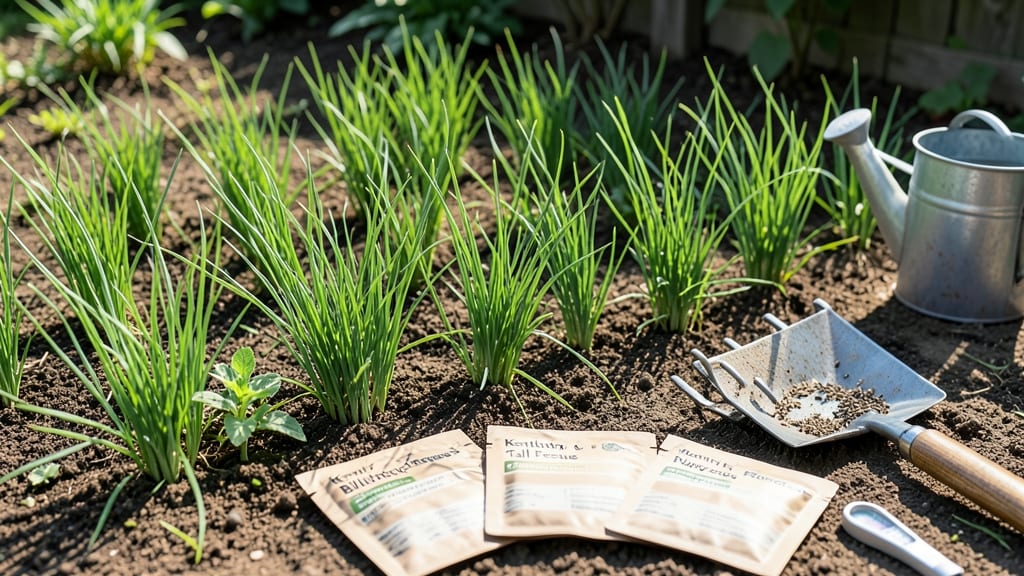
Timing your grass seed planting in spring can make or break your lawn's success—get it wrong, and you're left with patchy, weak grass fighting for survival.
I’ve learned the hard way that planting too early risks frost damage, while waiting too long invites weeds to steal the show. The sweet spot? When soil temperatures hit 50–65°F—a window most gardeners miss.
Whether you're in Zone 6a or beyond, knowing these cues is the key to a lush, 🌱green lawn by summer.
Beyond the calendar, soil prep and moisture matter just as much. I’ll break down exactly when to plant, how to test your soil’s readiness, and the simple steps to keep weeds at bay. Ready to transform your lawn game?
Let’s dive into the science and tricks that’ll have your grass thriving—not struggling—this season.
Ideal spring soil temperatures for planting grass seed
Getting your grass seed to germinate in spring isn’t just about timing—it’s about soil temperature. Most grass varieties need soil to warm up to 50°F–65°F for optimal growth.
Too cold, and seeds linger; too hot, and they dry out. This sweet spot ensures your lawn starts strong and stays healthy all season.
Understanding your local climate zone is key. In USDA Zones 3–5, wait until late April or early May when frost risks fade. Meanwhile, gardeners in Zones 6–10 can plant as early as March.
The goal? Plant when the ground is warm enough to support seedling roots but cool enough to prevent stress.
Here’s how to test your soil’s readiness: Press a soil thermometer 2–3 inches deep into the ground. If it reads below 50°F, wait a few days.
If it’s above 65°F, you’re too late for spring—switch to fall planting. Consistency matters more than a single reading, so check multiple times over a week.
| Climate Zone | Ideal Planting Window | Soil Temp Range (°F) | Regional Notes |
|---|---|---|---|
| Zones 3–5 | Late April–Early May | 50°F–60°F | Wait for last frost; cool nights slow growth. |
| Zones 6–7 | March–Early April | 55°F–65°F | Early planting risks frost; monitor forecasts. |
| Zones 8–10 | February–March | 60°F–65°F | Hotter climates; plant early to avoid summer heat stress. |
| Northern States | After May 15 | 50°F–55°F | Soil warms slower; use cold-tolerant varieties. |
| Southern States | January–February | 60°F–68°F | Avoid summer planting; opt for shade-tolerant grass. |
Regional variations play a huge role. In northern climates, like Minnesota or Maine, soil may stay chilly well into May. Use a soil warming blanket or cover seeds with straw to retain heat if needed.
In southern regions, such as Texas or Florida, planting too early can expose seedlings to heat stress or fungal diseases.
Cool-season grasses like Kentucky bluegrass and fescue thrive in 50°F–60°F soil, while warm-season types like Bermuda and Zoysia need 65°F–75°F. If you’re unsure which type you have, check the seed packet or consult your local cooperative extension service for tailored advice.
Don’t overlook moisture levels alongside temperature. Even at the right temp, dry soil can prevent germination. Aim for 1–1.5 inches of water weekly, either from rain or irrigation. Use a rain gauge to track moisture—consistent dampness (not sogginess) is critical during the first 2–3 weeks after planting.
Pro tip: If your soil feels too cold but you’re eager to plant, try a starter fertilizer with phosphorus to boost root development. This helps seedlings establish faster once the ground warms up. Just avoid high-nitrogen fertilizers, which can burn tender new growth.
Watch for early signs of germination, like tiny sprouts breaking through the soil in 7–21 days. If you see mold or slimy patches, your soil may be too wet—reduce watering immediately. Adjust your care based on how your grass responds; flexibility is key to long-term success.
Timing isn’t just about the calendar—it’s about soil science. By mastering these temperature guidelines and regional tweaks, you’ll set your lawn up for a thicker, greener start. Happy planting! 🌱
Step-by-step guide to planting grass seed in spring
Spring is your golden opportunity to transform a patchy lawn into a lush, vibrant carpet—but only if you plant at the right time and prepare properly. The key lies in balancing soil temperatures, moisture levels, and seed selection to create the perfect conditions for germination.
I’ve planted grass seed for over a decade, and I’ve learned that skipping even one step can mean the difference between success and disappointment.
Before you grab your seed bag, let’s tackle the most critical question: when is the best time in spring to plant grass seed? The answer isn’t just about the calendar date—it’s about your local climate, soil readiness, and even the type of grass you’re growing.
For most regions in the U.S., the ideal window is 4-6 weeks before your last frost date, typically landing in March or early April. But timing varies wildly depending on whether you’re in the warm South or cold North.
🌱 When Is the Best Time in Spring to Plant Grass Seed?
- 📅 Check your last frost date: Use the USDA zone map to find your area’s average last frost (e.g., April 15 in Zone 6a). Plant 4-6 weeks before this date.
- 🌡️ Wait for soil temps: Soil should reach 50°F–65°F (use a soil thermometer). Cooler temps slow germination; warmer temps risk drying out seeds.
- ☀️ Aim for consistent daylight: Days should be 10+ hours long (typically after March 20 in most regions). Longer daylight boosts photosynthesis.
- 💧 Monitor rainfall: Plant when 1 inch of rain per week is forecasted, or be ready to water deeply. Drought stress kills seedlings.
- 🌿 Choose your grass type:
- Cool-season grasses (Kentucky bluegrass, fescue): Plant in early spring (March–April).
- Warm-season grasses (Bermuda, Zoysia): Plant in late spring (May–June) when soil is 70°F+.
- ⏳ Avoid late spring planting: After May 15, weeds outcompete grass seedlings. If you miss spring, wait for fall planting (September–October).
Now that you’ve nailed the timing, let’s dive into the pre-planting prep that sets you up for a thick, healthy lawn. Start by testing your soil’s pH level—most grasses thrive in a range of 6.0–7.0.
If your soil is too acidic or alkaline, amend it with lime (to raise pH) or sulfur (to lower pH) at least 4–6 weeks before planting. I once planted seed in alkaline soil (pH 7.5) and ended up with sparse, yellowing grass—don’t make my mistake!
Next, clear the area of debris, rocks, and weeds. Use a broadfork or tiller to loosen the top 4–6 inches of soil, breaking up compacted layers. For bare spots, consider topdressing with compost to improve soil structure and fertility.
Pro tip: Rake the soil smooth afterward to create a fine, seed-friendly texture—think of it like preparing a blank canvas for your lawn masterpiece.
When selecting grass seed, match it to your climate and lawn use. For high-traffic areas, tall fescue or Bermuda grass are durable choices, while Kentucky bluegrass offers a softer feel but needs more maintenance.
Always check the seed bag for germination rates—aim for 85% or higher to ensure strong starts. After spreading the seed, lightly rake it in (just enough to cover it) and water gently but thoroughly to settle it into the soil.
Post-planting care is where many gardeners trip up. For the first 2–3 weeks, keep the soil consistently moist (about 1 inch of water per week). Use a sprinkler with fine mist to avoid displacing seeds, and water early in the morning to reduce evaporation and fungal risks.
Once seedlings reach 2–3 inches tall, gradually reduce watering to encourage deep root growth. Avoid walking on the lawn until the grass is mature and mowed at least 3 times—patience here pays off in a resilient lawn.