
Plants
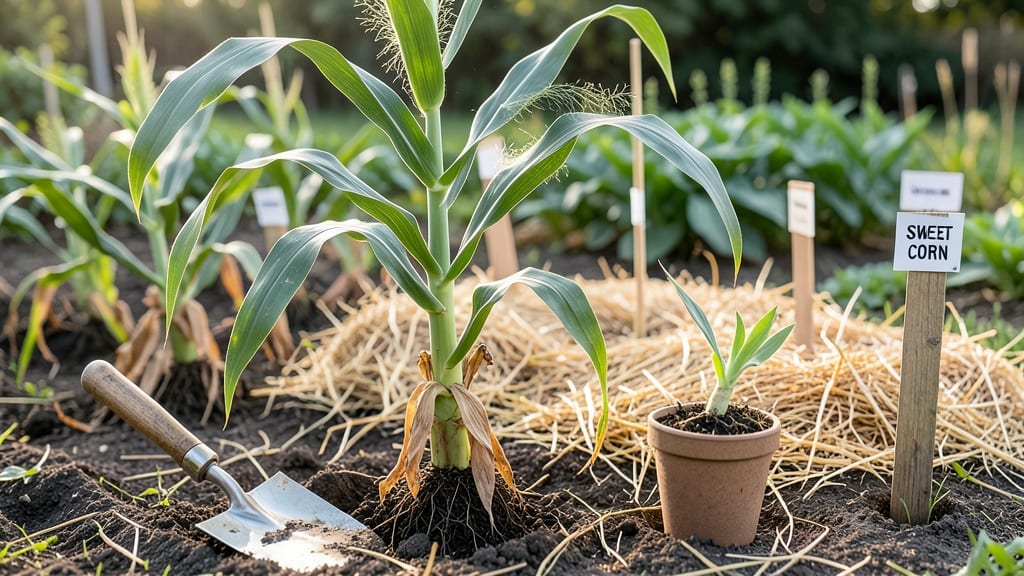
Planting sweet corn in Michigan isn't just about the calendar—it's about catching that perfect window between frost and summer heat to guarantee a bountiful harvest. Get the timing wrong, and you might end up with stunted ears or worse, no corn at all.
The key is knowing when your soil warms up and when those last frost dates actually arrive in your county, because Michigan's climate can be as unpredictable as a summer thunderstorm.
I've learned the hard way that rushing your 🌽 into the ground too early can lead to disappointment. Whether you're in the Upper Peninsula or the Detroit metro area, the right planting time makes all the difference.
We're talking about soil temperatures hitting at least 50°F and waiting until after that final frost—usually around late April to early May, depending on where you live. But here's the thing: even if your neighbor swears by their planting schedule, your microclimate might need a slightly different approach.
What you'll discover in this guide are the exact planting windows tailored to Michigan's 14 frost-free zones, plus pro tips to extend your harvest season. We'll cover everything from soil prep to variety selection, so you can avoid common mistakes that derail even the most eager gardeners.
Ready to turn your backyard into a cornfield success story? Let's get started.
The best part? With the right timing and a few smart strategies, you could be enjoying fresh, sweet corn straight from your garden by mid-summer. Imagine the satisfaction of pulling back those husks to reveal perfectly plump kernels—all because you planted at just the right moment.
That's the power of knowing exactly when to put those seeds in the ground for Michigan's unique growing conditions.
Michigan sweet corn planting dates by county: frost-free zone guide
Michigan’s 14 frost-free zones create dramatic differences in when to plant sweet corn. In southern counties like Wayne (Detroit area), you can start as early as April 15th, while Upper Peninsula gardeners in Keweenaw must wait until May 20th.
The key is soil temperature—corn needs 50°F+ soil to germinate properly.
Use Michigan State University’s interactive frost map to pinpoint your county’s average last frost date. For most regions, this falls between May 1st and June 1st, but early varieties (like ‘Ambrosia’) can tolerate cooler soils and give you a head start.
Always wait until nighttime temperatures stay above 50°F consistently.
Here’s how to break it down by region: Southern Michigan (Wayne, Oakland, Macomb) has the longest growing season, while Northern Michigan (Chippewa, Schoolcraft) faces shorter windows. Succession planting every 2 weeks after your initial date extends harvests by 4-6 weeks—critical for Michigan’s short season.
| Region | Counties | Last Frost Date | Planting Window | Soil Temp Threshold | Variety Recommendation |
|---|---|---|---|---|---|
| Southern Michigan | Wayne, Oakland, Macomb | May 1-15 | April 15-May 1 | 50°F+ | Early: ‘Silver Queen’ (85 days) |
| Metro Detroit | Washtenaw, Livingston | May 10-20 | April 25-May 10 | 50°F+ | Mid: ‘Peaches and Cream’ (100 days) |
| Central Michigan | Ingham, Eaton, Clinton | May 15-25 | May 5-15 | 52°F+ | Mid: ‘Country Gentleman’ (105 days) |
| Northern Lower Peninsula | Cheboygan, Emmet, Leelanau | May 25-June 5 | May 15-25 | 52°F+ | Late: ‘Bodacious’ (110 days) |
| Upper Peninsula | Houghton, Keweenaw, Iron | June 5-15 | May 20-June 5 | 55°F+ | Late: ‘Golden Bantam’ (80 days) |
For early varieties, aim to plant 2-3 weeks before your county’s last frost date. Mid-season varieties (like ‘Peaches and Cream’) need 100+ days to mature, so they require precise timing—plant too late, and you’ll lose your harvest to frost. Late varieties (like ‘Bodacious’) are riskier but can extend your season if planted by June 1st in most regions.
Pro tip: Use black plastic mulch to warm soil 5-10°F faster, letting you plant 1-2 weeks earlier in cooler zones. This is especially helpful in Upper Peninsula counties where soil stays cold longer.
Always check soil temperature with a soil thermometer—corn seeds won’t germinate below 50°F, even if the air is warm.
If you’re unsure about your county’s exact frost dates, Michigan State University’s interactive map (linked in resources) lets you zoom in for hyper-local data. For example, Traverse City (Leelanau County) has a 10-day earlier last frost date than Marquette (Alger County), even though they’re only 200 miles apart.
Microclimates matter!
For succession planting, stagger your plantings every 10-14 days to ensure a continuous harvest. In southern Michigan, this means planting 3-4 batches by June 1st, while northern gardeners should limit themselves to 2 batches by May 20th.
This strategy maximizes your 60-90 day harvest window before fall frosts arrive.
One common mistake? Planting based on air temperature instead of soil temperature. Corn seeds need warm soil to germinate—even
Pro tips to maximize sweet corn yield in Michigan’s climate
Michigan’s short growing season demands smart strategies to coax the most from your sweet corn plants. The key? Extending warmth and staggering plantings to beat frost and pests. I’ve learned that even a 10-day difference in planting can mean the difference between a bumper crop and a sad harvest.
First, focus on soil warmth—corn needs soil at 50°F+ to germinate. In Michigan, this often means waiting until mid-May in southern counties or even early June in the Upper Peninsula. But don’t panic—there are ways to trick the soil into warming faster.
Here’s how to balance planting timing with season extension for maximum yield:
Soil Warming Techniques
| Method | Pros | Cons |
|---|---|---|
| Black Plastic Mulch | Warms soil 5-10°F faster, suppresses weeds, retains moisture | Requires early spring installation, can overheat soil if not removed |
| Row Covers | Extends season 2-3 weeks, protects from pests, conserves moisture | Must remove before tasseling to allow pollination, can trap too much heat |
| Straw Mulch | Moderates soil temp, reduces evaporation, improves soil over time | Slower to warm soil than plastic, may harbor pests if not fresh |
Next, choose corn varieties that match your county’s frost-free window. Early varieties (85-day maturity) like ‘Silver Queen’ are perfect for northern Michigan, while mid-season (100-day) types like ‘Peaches and Cream’ work well in southern regions.
Late varieties (115-day) such as ‘Ambrosia’ are risky but can pay off if you use row covers.
For succession planting, space out sowings every 10-14 days until mid-July. This ensures a continuous harvest and reduces the chance of losing your entire crop to frost or pests. I’ve had success with 3-4 plantings in my garden, stretching my harvest from August through September.
Don’t forget to thin seedlings to 10-12 inches apart once they’re 3-4 inches tall. Crowded plants compete for nutrients and sunlight, leading to smaller ears and poor yields. Use sharp scissors to avoid disturbing roots, and compost the thinnings for future use.
With these yield-boosting tricks, you’ll turn Michigan’s chilly challenges into a cornucopia of sweet, juicy ears. The secret? Warm soil, right varieties, and strategic timing—just like the pros do.