
Plants
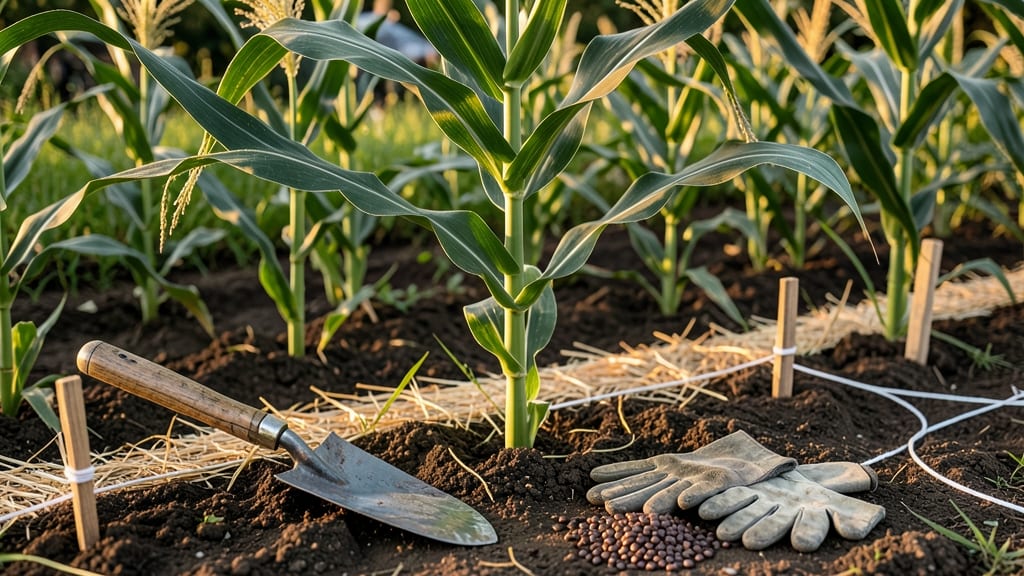
Planting corn in Illinois at the right time can make all the difference between a thriving harvest and wasted effort. The ideal window—mid-April to early June—aligns with soil warming to at least 50°F and the last frost date, typically around April 15.
But timing isn’t one-size-fits-all: Northern Illinois (Zone 5b) may need to wait until late April, while Southern Illinois (Zone 6a) can start earlier.
Why does this matter? Corn is a fast-growing crop that needs consistent warmth, and planting too early risks frost damage, while waiting too long can shorten the growing season.
Whether you’re a seasoned gardener or a first-timer, understanding these nuances ensures your 🌽 plants have the best shot at reaching maturity before fall’s first frost.
In this guide, I’ll break down the exact frost-free timelines for your region, soil temperature tips, and how to adjust for Illinois’ unpredictable weather. You’ll also discover whether direct sowing or transplanting works best for your location—and which corn varieties thrive in your zone.
By the end, you’ll know exactly when to plant for peak yield, so you can enjoy fresh ears straight from your garden. Let’s get started!
Illinois corn planting dates by hardiness Zone: exact frost-free timelines for maximum growth
Planting corn in Illinois at the right time ensures strong germination and high yields. The state spans USDA Hardiness Zones 5-7, with frost dates varying by region.
Northern Illinois (Zone 5) has later springs, while Southern Illinois (Zone 7) enjoys earlier planting windows. Soil temperature is the key factor—corn seeds need at least 50°F soil to sprout, but ideal germination occurs at 60°F or warmer.
Timing matters because corn is sensitive to frost. A late spring frost can kill young seedlings, while planting too early in cold soil delays growth. Hybrid corn varieties mature in 80-120 days, so your planting window must align with your region’s frost-free period.
For example, a 90-day variety in Zone 5 needs to be planted by early May to avoid fall frost, while a 110-day variety in Zone 7 can be planted as late as mid-June.
Here’s a breakdown of planting windows by zone, including average last frost dates and optimal soil temperature thresholds for Illinois:
For Zone 5 gardeners, focus on early-maturing varieties (80-90 days) to avoid fall frost. Plant your first batch in late April and follow with successive plantings every 2 weeks for continuous harvests.
In Zone 6, you can experiment with mid-season varieties (90-100 days), planting in early April and again in mid-May for a staggered yield.
Southern Illinois (Zone 7) offers the most flexibility.
You can plant as early as late March for super-early varieties or stretch your harvest into late fall with late June plantings. Drought-resistant hybrids like ‘Silver Queen’ or ‘Peaches and Cream’ thrive here, especially if you experience unpredictable summer rains.
Always monitor soil moisture—corn needs 1-2 inches of water per week during tasseling.
If you’re unsure about your last frost date, use a frost calendar from your local Cooperative Extension Service or a soil thermometer to track temperatures.
Planting too early in cold soil can cause seeds to rot, while waiting too long may reduce your harvest window. Hybrid corn varieties like ‘Pioneer 39F53’ (105 days) or ‘Golden Bantam’ (70 days) are excellent choices for Illinois, depending on your zone and preferred harvest time.
Pro tip: Use black plastic mulch to warm soil faster in cooler zones. This method can shave 1-2 weeks off your planting schedule by raising soil temperatures by 5-10°F.
Just be sure to remove the mulch once plants emerge to prevent overheating. Succession planting is another smart strategy—space out your plantings by 2 weeks to enjoy fresh corn every few weeks through summer.
Remember, corn is a warm-season crop, so never plant it before the soil is warm enough. If you’re in Zone 5 and face a late spring, opt for short-season varieties or consider container growing in black pots to accelerate soil warming.
With the right timing and variety, you’ll enjoy sweet, homegrown corn from July through September—just in time for summer grilling!
How to adjust your corn planting schedule for Illinois weather patterns and soil conditions
Illinois gardeners know that corn thrives when planted at the right time, but our unpredictable weather can throw off even the best-laid plans. Cold snaps, late frosts, and drought-like conditions are common, so flexibility is key.
If you've ever planted too early and lost seedlings to frost or too late and missed peak harvest season, you're not alone. The secret to success lies in adjusting your schedule based on soil temperature, moisture levels, and regional patterns.
Most Illinois gardeners aim for mid-April to early June planting, but real-world adjustments are often necessary. For example, northern Illinois (Zone 5) may need to wait until after May 1st due to later frost dates, while southern Illinois (Zone 7) can start as early as April 15th.
The key is monitoring soil temperature—corn seeds won’t germinate well below 50°F, and ideal conditions are 60°F+.
⚠️ WARNING: Planting Corn Too Early in Illinois Can Be Costly Cold soil and late frosts are the #1 reason corn seedlings fail in Illinois. Even if air temperatures seem warm, soil stays cold longer—especially in clay-heavy areas.
Planting before soil reaches 50°F risks poor germination, and seedlings won’t tolerate even light frost. Use a soil thermometer ($10 at garden centers) to check depth—1 inch deep is the critical zone.
If temperatures dip below 50°F at night, delay planting by 1-2 weeks to avoid stunted growth or rot.
To give your corn a head start in cool springs, try pre-germination warming. Soak seeds in warm water (80°F) for 12 hours before planting, or use a seedling heat mat ($20-$30) to boost germination speed.
This trick is especially useful if you’re planting early-maturing varieties (like 'Silver Queen', which takes 80 days) to maximize harvest time before frost. Just remember: never plant pre-warmed seeds deeper than 1.5 inches—they’ll struggle to surface.
Illinois’ variable rainfall also demands adjustments. If your area faces drought risks, opt for drought-tolerant varieties like 'Pioneer Brand 33B13' or 'Golden Bantam', which handle moderate dry spells better than standard hybrids.
For extra insurance, mulch heavily with straw after planting to retain moisture. In years with excess rain, raise beds slightly to prevent waterlogged soil, which can cause seed rot.
Another pro tip: stagger your planting in 2-week intervals to extend harvest season. For example, plant half your seeds in late April and the rest in early May. This way, even if one batch struggles with early frost, the later planting may still yield ears.
It’s also smart to choose varieties with different maturity times—pair a 75-day variety with a 110-day one to spread out your harvest window.
Finally, don’t forget that soil type matters. Illinois has a mix of clay, loam, and sandy soils, each affecting drainage and warmth. Clay soils stay cold longer but hold moisture well, while sandy soils warm up faster but dry out quickly.
Amend clay with compost or sand, and sandy soils benefit from organic matter like peat moss. A quick soil test ($15-$20) can reveal pH imbalances—corn prefers 6.0-7.0, and adjustments may be needed before planting.