
Plants
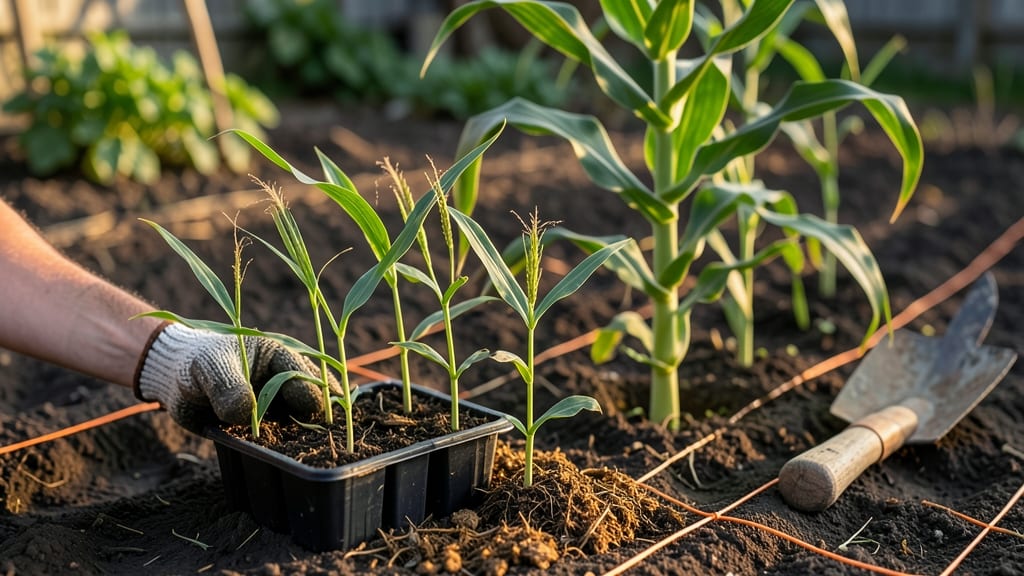
Planting corn at the wrong time in Zone 7a could mean watching your 🌽 stalks wither under late frost or struggle in cold soil. The key to a thriving harvest lies in knowing exactly when to plant—typically between mid-April and early May—but timing depends on more than just the calendar.
Soil temperature plays a bigger role than you might think. Corn needs the ground to warm up to at least 60°F before seeds go in, and waiting for that warmth can make all the difference between strong germination and weak starts.
If you plant too early, frost damage will set you back weeks.
I’ve learned the hard way that rushing the process leads to stunted growth, so I’ll walk you through how to check your soil, track local frost dates, and adjust your planting schedule for the best results.
With these practical tips, you’ll be on track for a bountiful harvest by late summer.
Whether you’re a first-time gardener or a seasoned pro, getting the timing right ensures your corn grows tall, strong, and ready for harvest—without the stress of last-minute adjustments. Let’s get your planting schedule dialed in for success.

Ideal soil temperature and frost-free window for corn in Zone 7A
Corn is a heat-loving crop that thrives when soil temperatures consistently reach 50°F or higher. In Zone 7A, this typically happens between mid-April and early May, but exact timing depends on your microclimate.
Planting too early risks frost damage, while waiting too long may shorten your harvest window. Understanding these thresholds ensures your corn gets the warm start it needs to grow tall and productive.
Zone 7A gardeners face a 180-day frost-free window on average, from April 15 (last frost) to October 15 (first frost). Corn varieties mature between 60 to 120 days, so timing is critical to avoid late-season frosts.
For example, a 75-day variety planted in early May will be ready by late July, leaving plenty of time before frost. Always check your seed packet for exact days to maturity.
Soil temperature is more important than air temperature for corn germination. Use a soil thermometer to confirm readings of 60°F or warmer at a depth of 2 inches. If your soil is cooler, wait—corn seeds won’t sprout below 50°F, and germination slows dramatically in cold soil.
In my garden, I’ve seen delays of up to 2 weeks when planting too early, even if the air feels warm.
Microclimates can shift your planting window by 1 to 3 weeks. For instance, a south-facing slope warms faster than a north-facing valley, allowing earlier planting. I’ve successfully planted corn in early April on my sunny hillside, while my neighbor in the shade waits until late April.
Observe your garden’s unique conditions—even a black plastic mulch can raise soil temps by 5-10°F, accelerating germination.
If you’re unsure about your last frost date, use the 50°F soil temperature rule as your guide. Corn seeds won’t sprout below this threshold, so waiting ensures strong, uniform germination. Pro tip: Plant a test row 1-2 weeks before your target date to monitor soil warmth.
If the test row struggles, delay the main planting. This simple step saved my first corn crop from uneven growth.
For Zone 7A gardeners, I recommend planting early-maturing varieties (60-75 days) for the best success. These include ‘Silver Queen’ (70 days) and ‘Peaches and Cream’ (75 days), both reliable performers in my trials.
Late varieties (90+ days) risk running out of growing season, especially if summer heat arrives early. Always factor in your average first frost date when selecting seeds.
Extend your corn season by using row covers or cold frames for early plantings. These protect young seedlings from unexpected late frosts (28°F or lower). I’ve had success with floating row covers in early April, removing them once soil temps stabilize.
Just remember to remove covers during pollination to allow cross-pollination—corn needs airflow for those silks to catch pollen!
Don’t overlook succession planting to maximize your harvest. In Zone 7A, you can typically fit 2-3 plantings between April and early July. Space them 2 weeks apart for a continuous supply of fresh ears.
For example, plant your first batch in early May, the second in mid-May, and a final one in late May. This strategy ensures you’re always harvesting something through September.
When in doubt, consult your local cooperative extension office for hyper-local frost data. Their records often include 10-year averages and microclimate adjustments that generic guides miss.
In my county, the extension office confirmed our last frost date is actually April 22 on average—7 days later than the standard Zone 7A estimate. This small detail made all the difference in my planting schedule.
Step-by-step guide to calculating your exact corn planting dates
Determining the perfect time to plant corn in Zone 7A isn't just about checking a calendar—it's about combining soil temperature, frost data, and your specific corn variety's needs.
Corn thrives when soil reaches at least 60°F, but planting too early risks frost damage, while waiting too long can shorten your harvest window. Let's break this down into actionable steps to pinpoint your ideal planting dates.
Start by checking your local frost dates. In Zone 7A, the average last frost date is around April 15, but this can vary by 1-2 weeks depending on your microclimate. Use resources like the National Weather Service or your local cooperative extension office for precise data.
For example, if you're in a cooler pocket of Zone 7A, your frost date might be closer to April 22, while warmer areas could see frost-free conditions by April 8.
Use USDA frost maps or your local extension office to find your average last frost date. In Zone 7A, this typically ranges from April 8-22. Add a 2-week buffer to account for late frosts.
Corn seeds need soil at 60°F+ to germinate. Use a soil thermometer to check daily. In Zone 7A, soil typically hits this temperature between mid-April and early May. Plant only when temps are consistently above 50°F at night.
Early varieties (e.g., 'Early Sunglow') can tolerate cooler soils (55°F) and may be planted 2 weeks earlier. Late varieties (e.g., 'Silver Queen') need warmer soil (65°F+) and should be planted 1-2 weeks later.
Corn needs 90-120 days to mature. Subtract your variety's days to maturity from your first frost date (avg. October 15 in Zone 7A). For example, if planting 'Ambrosia' (75 days), your last planting date is July 1.
For maximum yield, plant in 2-3 successive batches every 3-5 days to stagger harvests. Use black plastic mulch to warm soil faster and row covers for early plantings to protect from late frosts.
Once you've nailed down your planting window, don't forget to prep your soil. Corn loves rich, well-draining soil with a pH of 6.0-7.0. Work in 2-3 inches of compost and a balanced fertilizer (like 10-10-10) before planting.
This ensures your corn has the nutrients it needs to grow tall and strong once those seeds hit 60°F soil.
Pro tip: If you're unsure about your soil temperature, try pre-sprouting seeds indoors 1-2 weeks before your target planting date. This gives you a head start and allows you to transplant sprouted seedlings once the soil warms up.
Just be sure to harden them off for 3-5 days before moving them outside to avoid shock.
By following these steps, you'll avoid the common pitfalls of planting too early or too late, ensuring your corn has the best possible chance to thrive in Zone 7A's climate. Happy planting—your future harvest depends on it! 🌽