
Plants
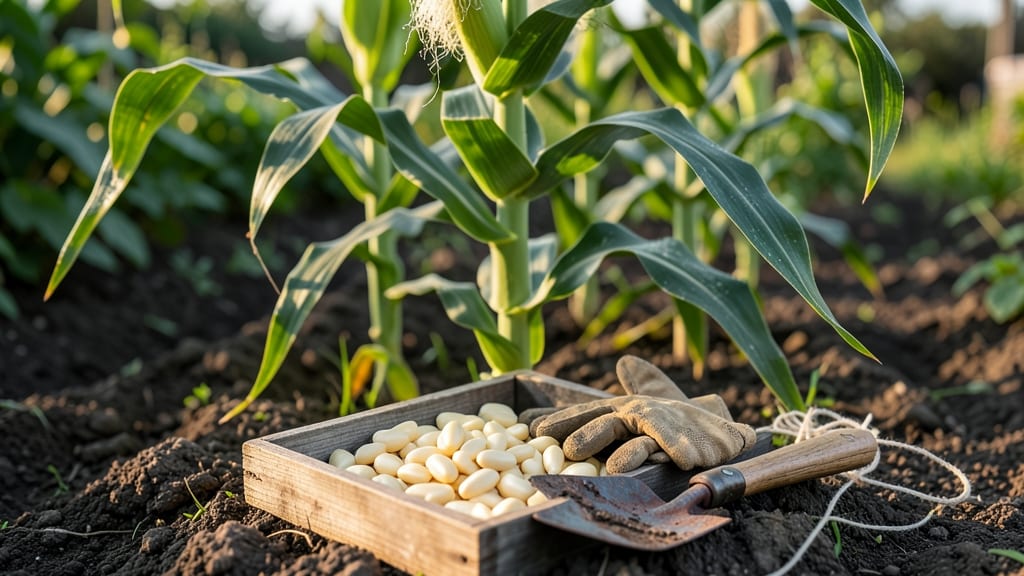
Planting corn in New Jersey at the wrong time can mean the difference between a bumper crop of sweet, juicy ears and a sad, frost-nipped disappointment.
The key is knowing exactly when to get those seeds in the ground—because once the soil warms up and the last frost passes, you’ve got just a few weeks to act.
For most of New Jersey’s USDA zones 6a-7b, the ideal window runs from mid-April to late May, but timing varies by region. Too early, and a late frost will wipe out tender seedlings; too late, and you’ll miss the chance for a full-season harvest.
I’ll break down the exact dates for early, mid-, and late-season varieties so you can plan like a pro.
Beyond dates, soil temperature and microclimates play a huge role—especially in a state where coastal areas warm faster than inland spots. We’ll cover how to check for the perfect planting conditions, adjust for unpredictable weather, and even choose the right corn varieties to thrive in your backyard.
Whether you’re a first-time gardener or a seasoned grower, these tips will help you avoid common mistakes and end up with rows of golden 🌽 perfection by summer. Let’s get started!
Best planting dates for corn in New Jersey by region
New Jersey’s diverse climate—from the cooler highlands of North Jersey to the milder coastal areas of South Jersey—means corn planting dates vary dramatically. Missed timing can lead to frost damage or stunted growth, so knowing your region’s last frost dates and soil temperature thresholds is critical.
Corn thrives when soil reaches 60°F (15°C), and planting too early risks poor germination, while waiting too long shortens the growing season. Let’s break down the ideal windows for each region to ensure your kernels grow sweet and plump.
For gardeners in North Jersey (USDA Zones 6a-6b), the growing season is shorter, with last frost dates typically landing between April 15 and May 1.
This means corn must be planted after mid-May to avoid frost. Central Jersey (Zone 7a) offers a slightly longer window, with last frosts around April 20-May 10, allowing for earlier plantings in late April to early May.
Meanwhile, South Jersey (Zones 7a-7b) enjoys the longest season, with last frosts as early as April 1, making early to mid-April ideal for sowing.
🌱
Even within regions, microclimates play a huge role. For example, gardeners in Passaic County (North Jersey) might experience frosts as late as May 10, while those in Cape May (South Jersey) could start planting by March 20 in sheltered spots.
Always check local NJ Agricultural Experiment Station updates or use a soil thermometer to confirm readiness—corn seeds won’t sprout below 50°F (10°C), but optimal growth requires 60°F+ (15°C+).
Another key factor is corn variety maturity. Early-season varieties (e.g., ‘Early Sunglow’) mature in 60–70 days, making them ideal for North Jersey’s shorter season. Mid-season types (e.g., ‘Silver Queen’) take 75–90 days and work well in Central Jersey, while late-season varieties (e.g., ‘Peaches and Cream’) need 90–110 days and are best for South Jersey’s extended heat.
Planting the wrong variety risks ears never reaching full size before frost.
🌾
To maximize your harvest, consider staggered planting. Sow seeds in 2-week intervals to ensure a continuous supply of fresh ears. For instance, if you plant April 15 in South Jersey, follow up with another batch on May 1 and May 15.
This technique spreads out your harvest and reduces the risk of losing everything to a single late frost or pest outbreak. Just be sure to thin seedlings to 12 inches apart once they’re 6 inches tall to give plants room to grow.
Watch out for false springs, a common pitfall in New Jersey. A warm spell in March or early April might tempt you to plant early, but a sudden frost can kill tender seedlings. Always wait until the average last frost date has passed—plus an extra 2 weeks for safety.
Use row covers or black plastic mulch to accelerate soil warming if needed, especially in cooler regions like Bergen or Morris Counties.
💧
Finally, don’t overlook drought stress, which is becoming more common in NJ summers. Corn needs 1–2 inches of water per week, especially during tasseling (when pollen forms) and ear development. If your area experiences dry spells
How to adjust corn planting for New Jersey’s unpredictable weather
New Jersey’s weather can throw curveballs—one week brings frost warnings, the next brings scorching heat. Corn, with its 60-day minimum to maturity, demands precision. If you plant too early, a late frost will kill seedlings.
Too late, and you’ll miss the peak harvest window of late summer. The key is flexibility: using staggered planting and soil warming tricks to hedge your bets.
Start by monitoring soil temperatures with a thermometer—corn won’t germinate well below 60°F. In colder microclimates like North Jersey, wait until mid-May for safety. For South Jersey, early April plantings can work if you’re prepared for frost.
The goal? Ensure at least 120 frost-free days until your first frost, typically around October 15.
⚠️ CRITICAL WARNING ⚠️ Don’t rely on calendar dates alone—New Jersey’s last frost can vary by 2-3 weeks depending on your location. For example, Trenton’s average last frost is April 15, but Newark’s can be as late as May 1.
Use a frost clock or local Cooperative Extension Service data to avoid disaster. If frost is forecasted after planting, cover seedlings with frost blankets or row covers immediately. Remember: Corn seeds won’t survive below 50°F, so never plant before the soil warms—even if the air feels spring-like!
To protect against late frosts, try soil warming techniques. Lay down black plastic mulch 1-2 weeks before planting to raise soil temps by 5-10°F. For extra insurance, plant early-maturing varieties like ‘Golden Bantam’ (70 days) in staggered rows every 2 weeks.
This ensures at least one batch reaches maturity, even if weather disrupts others. In heatwave-prone summers, prioritize shade cloth or drip irrigation to prevent drought stress during tasseling.
For early frosts, focus on harvest timing. Choose short-season varieties (60-70 days) and plant late July batches for a fall harvest before the first frost. If temperatures drop unexpectedly, harvest immature ears (still sweet!) and cook them immediately.
For extended heatwaves, mulch heavily with straw or grass clippings to retain moisture and cool roots. Avoid overhead watering during heat—it can scorch leaves and spread fungal diseases.
Another pro tip: Plant in blocks, not rows. Corn is wind-pollinated, so a 4x4 foot square ensures better cross-pollination than single rows. If space is tight, try bush corn varieties like ‘Little and Lovely’, which stay under 4 feet tall.
For urban gardeners, consider container-growing with large pots (at least 12 inches deep) and plant 2-3 seeds per pot. Just remember: containers dry out faster, so check moisture daily during heatwaves.
Finally, keep an eye on NJ Agricultural Experiment Station updates for real-time alerts on pest outbreaks or disease risks. Corn earworm and smut are common in NJ—use row covers early in the season to deter pests.
With these adjustments, you’ll turn New Jersey’s unpredictable weather into an advantage, guaranteeing sweet, homegrown corn no matter what Mother Nature throws your way. 🌾