
Plants
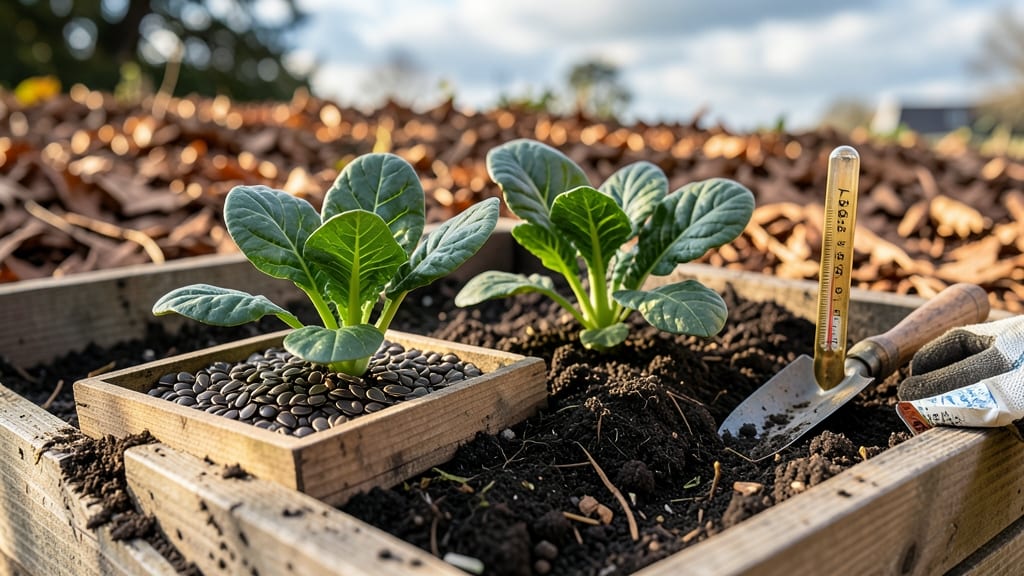
Planting collard seeds at the wrong time in North Carolina can mean the difference between a thriving 🥬 harvest and wasted effort.
The ideal window—March 15 to April 30 for spring and August 1 to September 15 for fall—aligns with your USDA zone (6b-8a) to avoid frost damage while maximizing growth.
Why does timing matter so much? Collards are cold-hardy but won’t tolerate late frosts, and planting too early in zones like 6b (mountains) risks stunted growth. Meanwhile, coastal areas in 8a can push fall planting later, giving you a second harvest before winter sets in.
In this guide, I’ll break down the exact frost-free windows by county, whether to direct-sow or transplant, and how to prep soil for 60-day growth. You’ll also learn how to extend your harvest into winter with simple protective tricks—no green thumb required.
Ready to turn your garden into a year-round collard powerhouse? Let’s get those seeds in the ground at the perfect moment for your NC climate.
NC county heat zones & collard seed planting dates by month
North Carolina’s USDA hardiness zones 5-8 create dramatic differences in collard seed planting windows. In Asheville (Zone 7a), you can start seeds as early as February 15, while Wilmington (Zone 8a) gardeners wait until March 15 to avoid frost damage.
These regional shifts mean your collard harvest timing could vary by 6-8 weeks depending on where you live.
The key to successful collard growth in NC is planting during the optimal frost-free windows: early spring (March-April) for spring harvests and late summer (August-September) for fall/winter production.
Collards thrive in cooler temperatures, making them perfect for North Carolina’s mild winters—but timing is everything to avoid late spring frosts or early fall chills.
Mountain regions (Zones 6b-7a) like Boone and Waynesville have shorter growing seasons, so focus on early spring sowing (March 1-April 15) and late summer sowing (August 15-September 30). Meanwhile, coastal areas (Zones 8a-8b) like New Bern and Morehead City can plant as late as October 1 for winter harvests, thanks to their longer frost-free periods.
For Zone 6b gardeners in the mountains, direct sow collard seeds between March 1 and April 15 to ensure they mature before late spring frosts (which can hit as late as May 1 in elevated areas).
In Zone 8a coastal regions, you can push your fall planting later—even October 1—because the ocean moderates temperatures. This extended window lets you enjoy collards year-round with proper frost protection.
If you’re in Zone 7a (Piedmont), like Raleigh or Greensboro, aim for two planting cycles: early spring (March 15-April 15) and late summer (August 1-September 15).
The Piedmont’s microclimates mean your backyard might experience 5-10°F temperature swings just miles away, so monitor local frost dates using the NC State Extension’s frost calendar.
Pro tip: Start collard seeds indoors 4-6 weeks before your last frost date if you want a head start. This works especially well for mountain gardeners who face earlier frosts. Use biodegradable pots to transplant seedlings without disturbing roots, giving them a 2-week growth advantage over direct-sown seeds.
For coastal gardeners, succession planting every 2-3 weeks from July through September ensures a continuous collard harvest through winter. The humid coastal climate can encourage pest pressure, so use row covers or neem oil sprays to protect young plants.
In drier inland areas, mulch heavily to retain moisture and prevent bolting.
Remember, collards are frost-tolerant—they’ll survive light freezes (28°F) and taste sweeter after 20-30°F nights. This makes them one of NC’s most reliable cold-hardy vegetables.
Use black plastic mulch in Zone 6b to warm soil early or straw mulch in Zone 8a to insulate roots during winter temperature dips.
Check your local USDA zone and
How to extend your collard harvest: fall vs. spring planting strategies
Collards thrive in North Carolina’s climate, but timing is everything. A fall harvest gives you tender leaves when spring crops are still months away, while spring planting ensures a fresh supply before summer heat sets in.
The key? Planting 6–8 weeks before your first frost for fall crops and after your last frost date for spring. Let’s break down how to maximize both seasons.
For fall collards, start seeds indoors 4–6 weeks before transplanting (typically mid-July for most NC counties). Direct-sow outdoors August 1–September 15, giving plants time to mature before winter.
Spring collards, on the other hand, should go into the ground March 15–April 30, once soil temps hit 50°F. Both strategies rely on well-prepared soil and protective measures for young seedlings.
- 📅 Fall Planting: Sow seeds August 1–September 15 (6–8 weeks before frost). Start indoors July 1–15 for earlier harvest.
- 🌡️ Soil Temp: Wait until soil reaches 50°F for direct sowing. Use row covers if nights dip below 40°F.
- 🌿 Spacing: Plant seeds 18–24 inches apart in rows 2 feet apart for airflow and growth.
- 🌱 Spring Planting: Direct-sow March 15–April 30 after last frost. Transplants can go in 2–3 weeks earlier.
- ☀️ Sunlight: Ensure 6+ hours of sun daily. Partial shade helps in USDA Zone 8 (coastal NC) to prevent bolting.
- 🛡️ Frost Protection: Use row covers or cloches for seedlings if late frosts hit (28°F tolerance for mature plants).
- 🌾 Succession Plant: Sow every 2 weeks in spring/fall for staggered harvests. Fall plantings often yield longer into winter.
Start with loose, well-draining soil enriched with compost or aged manure. Collards prefer a slightly acidic to neutral pH (6.0–6.8). Work in 2–3 inches of compost before planting, and avoid fresh manure, which can burn young roots.
For heavy clay soils (common in eastern NC), mix in sand or peat moss to improve drainage.
Succession planting is your secret weapon for a continuous collard supply. In spring, sow new seeds every 2 weeks from March to May. For fall, repeat the process August through September.
This ensures you’re always harvesting fresh leaves while older plants mature. Space seeds 18–24 inches apart to prevent overcrowding, which invites disease and pests.
Protect young seedlings from late frosts (common in NC’s Zone 7–8 transition areas) with row covers or cold frames. Mature collards tolerate light frosts down to 20°F, but seedlings need extra care.
If frost threatens, cover plants with old blankets or burlap at night. Water deeply before frost events to help roots withstand cold snaps.
Harvest outer leaves first, leaving the center growth point intact. This encourages continuous production for months. In NC, fall-planted collards often yield until December or January, while spring crops provide fresh greens through June or July.
With the right timing and care, you’ll enjoy homegrown collards for nearly half the year!