
Plants
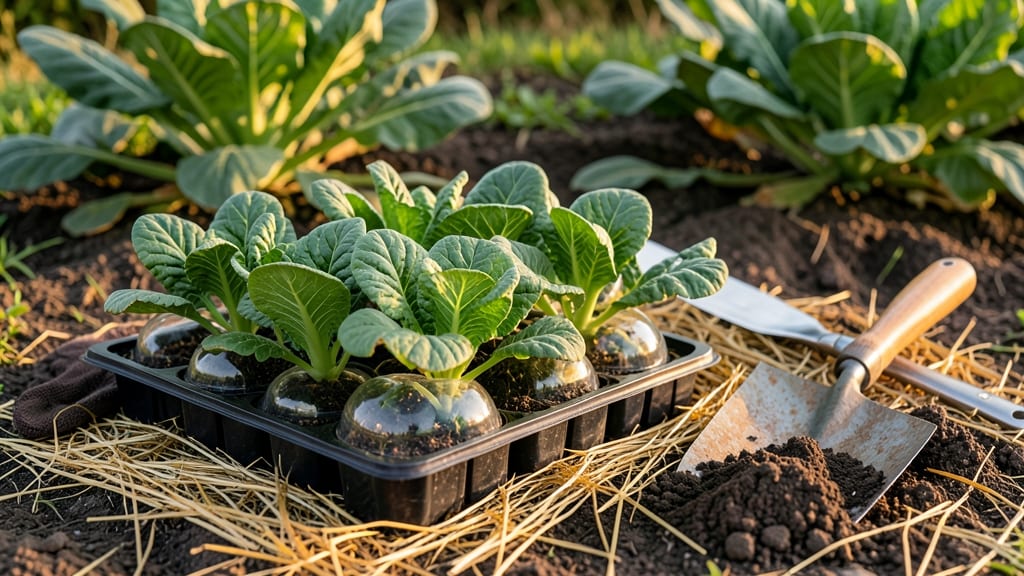
Planting collard greens 🥬 in Tennessee isn’t just about timing—it’s about outsmarting the state’s wild swings from frost to heat. If you’ve ever watched your seedlings shrivel in a late spring chill or bolt into bitter greens before summer’s peak, you know how quickly things can go wrong.
The key to success lies in two critical windows: late summer for fall harvests and early spring for summer crops. But Tennessee’s microclimates—from the cooler Appalachian foothills to the warmer Middle Tennessee plains—mean your neighbors might be harvesting while you’re still deciding whether to plant.
I’ve grown collards in 6a-7b zones for years, and I’ll show you exactly when to start seeds, how to stretch your harvest season, and which tricks work best for your specific corner of the state. No more guessing games—just reliable, homegrown greens from your garden.
Ready to turn your yard into a collard green powerhouse? Let’s dive into the planting schedule that actually works for Tennessee’s climate quirks.
Best planting windows for collard greens in Tennessee’s climate Zones
Tennessee’s diverse climate—from the cooler Appalachian Mountains to the warmer Mid-Cumberland Plateau—means your collard greens planting strategy should vary by region. In USDA Zones 6a-7b, timing is everything to avoid frost damage or heat stress.
East Tennessee’s higher elevations (Zone 6) have later last frosts, while West Tennessee (Zone 7b) enjoys longer growing seasons. Let’s break it down by season and microclimate for foolproof results.
For spring plantings, aim for 4-6 weeks before your average last frost date. In East Tennessee, this typically means mid-March to early April, while West Tennessee gardeners can start as early as late February.
Soil temperatures should reach at least 45°F—cold soil slows germination, leading to weak seedlings. Use a soil thermometer to check if you’re unsure.
Fall is often the best time to plant collard greens in Tennessee, with a late summer to early fall window (August through September). This gives plants time to establish roots before winter.
In Zone 6a (e.g., Knoxville), sow seeds by mid-August; in Zone 7b (e.g., Memphis), you can extend this to early October. These cold-hardy varieties thrive in cool weather and even tolerate light frosts.
Don’t overlook winter plantings! Tennessee’s mild winters (especially in Zones 7a-7b) allow for overwintering collards. Plant hardy varieties like ‘Georgia Southern’ or ‘Vates’ in October, and they’ll reward you with tender greens well into March.
Just mulch heavily with straw or leaves to protect roots from freezing temperatures.
Here’s a quick reference for Tennessee’s microclimates and frost dates to guide your planting:
Pro tip: Direct sow seeds instead of transplanting to avoid transplant shock, especially in Tennessee’s humid summers. Plant seeds ½ inch deep and 1 inch apart, then thin to 12–18 inches apart as seedlings grow. This spacing prevents disease spread and ensures good air circulation.
If you’re in a warmer microclimate (Zone 7b), you can experiment with summer plantings using heat-tolerant varieties like ‘Top Bunch’ or ‘Blue Max’. Start seeds indoors in late May and transplant outdoors after the June heatwave subsides. Provide shade cloth during peak afternoon sun to protect young plants.
Always monitor soil moisture during Tennessee’s unpredictable spring rains and summer droughts. Collard greens need consistent moisture but hate soggy soil. Amend your garden beds with compost to improve drainage, and mulch with straw or wood chips to retain moisture. This is especially critical in
How to extend your collard green harvest with successive plantings
Collard greens thrive in Tennessee’s climate, but a single planting won’t keep your kitchen stocked all season. The secret to a continuous harvest lies in successive plantings—strategically spacing out your sowings to avoid gaps in production.
By choosing the right heat-tolerant varieties for summer and cold-hardy types for fall/winter, you can enjoy fresh greens from spring through frost. This approach also helps prevent bolting during Tennessee’s unpredictable heat waves and extends your harvest window by up to 4 months.
Start with a 3-step planting plan that aligns with Tennessee’s frost dates. For spring plantings, begin sowing 4-6 weeks before your last frost date (typically mid-March in most regions).
Follow this with a second planting in early summer (June) using heat-tolerant varieties like ‘Georgia Southern’ or ‘Vates’, which handle Tennessee’s summer heat better than standard types. Finally, add a fall planting in late July to early August for a harvest that lasts through winter.
3-Step Guide to Successive Collard Plantings in Tennessee
-
Step 1: Spring Planting (March-April)
Sow seeds 4-6 weeks before last frost (mid-March in most of TN). Use cold-hardy varieties like ‘Blue Max’ or ‘Top Bunch’ for early harvests. Space seeds 12 inches apart in rows 18 inches apart to allow air circulation and prevent fungal diseases. -
Step 2: Summer Planting (June-July)
Choose heat-tolerant varieties like ‘Georgia Southern’ or ‘Vates’ to avoid bolting. Plant in partial shade (morning sun) during peak summer heat. Use mulch to retain moisture and protect seedlings from Tennessee’s intense afternoon sun. -
Step 3: Fall Planting (Late July-August)
Sow seeds for a winter harvest (October-November). Select cold-resistant varieties like ‘Champion’ or ‘Morris Heading’. Plant in full sun and protect young plants with row covers if early frosts threaten.
Proper spacing and variety selection are critical to success. In Tennessee’s humid climate, overcrowding invites fungal diseases like downy mildew. Space plants 12-18 inches apart in rows 24 inches apart to ensure good airflow.
For summer plantings, prioritize heat-tolerant varieties that won’t bolt prematurely. In fall, focus on cold-hardy types that can withstand Tennessee’s occasional winter freezes (down to 15°F).
Don’t forget to harvest strategically to encourage continuous growth. Begin harvesting outer leaves when they reach 6-8 inches long, leaving the inner leaves to grow. This method keeps plants productive for 60-80 days per planting cycle.
In Tennessee’s climate, where frost can arrive as early as mid-November, fall plantings may need protection with row covers or cold frames to extend the harvest into winter.
To maximize your yield, consider interplanting collard greens with other crops. In spring, pair them with radishes (which mature quickly) or bush beans. In fall, plant them alongside spinach or kale to make the most of your garden space.
This approach not only optimizes your harvest but also helps manage pests naturally by diversifying your plantings.
With these strategies, you’ll enjoy a near-continuous supply of collard greens from late spring through winter. The key is planning ahead—start your first planting in March, follow up in June, and finish with a fall sowing in August.
Soon, your garden will be a year-round source of nutrient-rich greens, and your table will always have fresh collards on hand.