
Plants
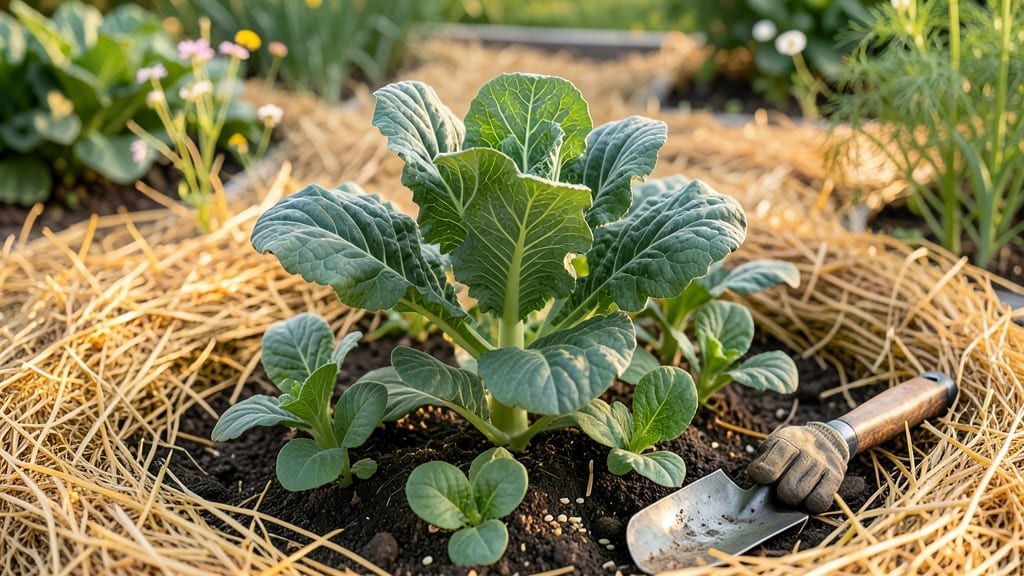
Planting collard greens 🥬 at the wrong time in South Carolina can mean waiting months for your first harvest—or worse, watching them bolt before you even get a bite. The key to fast, flavorful greens lies in understanding your soil’s temperature triggers, not just the calendar.
Most gardeners in zones 7b-9a rush to plant too early, only to deal with slow germination or stunted growth. But timing it right—whether you’re seeding in early spring or late summer—can give you a head start on a 60-day harvest window.
I’ll show you exactly when to put those seeds in the ground for maximum speed and cold hardiness.
Why does this matter? Because collard greens are one of the most versatile cool-season crops, thriving when other vegetables give up. If you’ve ever struggled with slow growth or missed your window entirely, this is the game-changer you’ve been waiting for.
Let’s break down the perfect planting windows for your SC garden, including soil temperature ranges and pro tips to avoid common mistakes that kill your plants before they even get started.
Best planting times for collard greens in SC based on soil temperature
Timing is everything when planting collard greens in South Carolina. These cold-hardy greens thrive when soil temperatures stay between 50°F and 85°F, but getting the timing wrong can lead to slow germination or even bolting.
In SC’s USDA Zones 7b-9a, you’ve got two prime windows: early spring and late summer/fall. Each offers unique advantages for maximizing your harvest.
For direct sowing, aim for when soil temps hit 50°F or warmer—this usually lands in late February to early March for spring or mid-August to early September for fall. Transplants, however, can handle slightly cooler soil, giving you a 2-3 week buffer before or after these windows.
Understanding these soil temperature triggers ensures your collards start strong and keep growing through SC’s mild winters.
| Planting Method | Optimal Soil Temp | Best SC Months | Germination Time | Cold Tolerance |
|---|---|---|---|---|
| Direct Sowing | 50°F–60°F | Late Feb–Early Mar Mid-Aug–Early Sep |
7–14 days | Survives 25°F |
| Transplants | 55°F–85°F | Early Feb–Early Apr Late July–Late Sep |
5–10 days | Survives 20°F |
| Fall Extension | 60°F–75°F | Late Aug–Mid-Oct | 7–12 days | Hardy to frost |
🌱 Pro Tip: Use a soil thermometer to confirm temps—SC’s coastal areas warm faster than inland zones!
Spring planting in February or March gives your collards a head start before summer heat arrives. Soil temps in this window typically hover around 55°F–65°F, perfect for direct sowing.
If you’re using transplants, you can push it as early as January in warmer inland areas like Columbia or Charleston, but coastal regions like Hilton Head may need to wait until mid-February.
For a fall harvest, late summer is your best bet. Plant transplants in August or direct sow in September to take advantage of 60°F–75°F soil—ideal for steady growth before cooler temps set in.
This timing lets you enjoy fresh greens through October and November, often surviving light frosts. Just avoid planting too late, or your collards may bolt before winter arrives.
One of the biggest mistakes gardeners make is planting collards when soil is too warm. If temps exceed 85°F, germination slows dramatically, and seedlings may struggle. In July or early August, opt for shade cloth or wait until evening temps drop below 80°F before sowing.
This simple adjustment can mean the difference between thriving plants and a failed crop.
SC’s humidity levels can also play a role in planting timing. During summer months, high humidity combined with heat stress can lead to fungal issues like downy mildew. To combat this, space your plants 12–18 inches apart and ensure good airflow.
If you’re planting in late summer, prioritize morning watering to let foliage dry before evening humidity peaks.
Don’t overlook the benefits of succession planting in SC’s climate. By staggering plantings every 2–3 weeks in late summer, you can extend your harvest well into December.
For example, a mid-August transplanting will mature by October, while a late-September sowing can survive light frosts and provide greens through November. This strategy ensures a steady supply without overcrowding your garden.
If you’re new to growing collards, start with transplants for your first attempt—they’re more forgiving than seeds. Purchase 6-week-old seedlings from a local nursery and transplant them when soil temps are 55°F or warmer.
This method reduces the risk of poor germination and gives you a clearer timeline for harvest. For direct sowing, use organic seed starter to speed up germination in cooler soil.
Remember, soil preparation is just as critical as timing. Amend your garden beds with compost or aged manure before planting to ensure good drainage and nutrient availability. Collards prefer slightly acidic to neutral soil (pH 6.0–7.0), so test your soil in early spring and adjust if needed.
Proper soil prep sets the stage for strong, healthy plants ready to thrive in SC’s variable climate.
With the right planting timing and soil conditions, your collard greens will reward you with tender, flavorful leaves for months. Whether you’re aiming for a spring bounty or a fall harvest, paying attention to soil temperature triggers and local microclimates will give you the best results. Happy planting! 🌿
How to extend your collard green harvest in SC’s short growing season
South Carolina’s short growing season and unpredictable late frosts can cut your collard harvest short—but with the right strategies, you can enjoy fresh greens from fall through winter. Since collards tolerate 25°F-30°F temperatures, they’re perfect for extending harvests, but timing and protection are key.
I’ve grown collards in SC for years, and these methods have kept my garden producing even when neighbors’ plants bolt or freeze.
Start by planting succession crops every 2-3 weeks from August through October to ensure a steady supply. This staggered approach guarantees that as one batch matures, another is ready to take its place.
Pair this with row covers or cold frames to shield young plants from sudden 20°F dips that can stunt growth or kill tender seedlings. I’ve used floating row covers to protect my collards through December, adding just 3-5°F of warmth without overheating the soil.
Plant every 2-3 weeks from August 1 to October 15 for continuous harvests through winter.
Use unheated cold frames to extend harvests 2-3 weeks longer than row covers alone. Remove covers during 60°F+ days to prevent overheating.
Plant onions or garlic nearby to repel cabbage worms, or add bush beans to improve soil nitrogen. Avoid planting near tomatoes, which compete for nutrients.
Pick outer leaves first to encourage regrowth. Leave 4-6 inner leaves per plant to keep production strong through January in most SC zones.
Don’t overlook companion planting—it’s one of the easiest ways to boost collard resilience. I’ve found that onions and garlic planted alongside collards deter cabbage worms, a common SC pest, while bush beans add nitrogen to the soil, reducing the need for synthetic fertilizers.
Avoid planting collards near tomatoes or peppers, though, as they share diseases like early blight. Instead, interplant with carrots or lettuce for a low-maintenance polyculture.
For late-season protection, consider a low tunnel hoop house made from PVC pipes and row cover fabric. This setup adds 5-10°F of warmth and can keep collards growing through January in Zone 8a. Just ensure good airflow to prevent fungal diseases from SC’s humidity.
I’ve used this method to harvest collards as late as February, even in cooler years. Water deeply in the morning to reduce fungal risks and mulch with straw to retain moisture and insulate roots.
Finally, harvest regularly to encourage bushier growth. Collards are cut-and-come-again crops, so picking outer leaves when they reach 6-12 inches keeps plants productive. Leave the inner leaves intact to shield the growing point from frost.
With these techniques, I’ve harvested collards for 6 months straight—from October through March—without replanting. The key is planning ahead and using seasonal tools to outsmart SC’s climate challenges.