
Plants
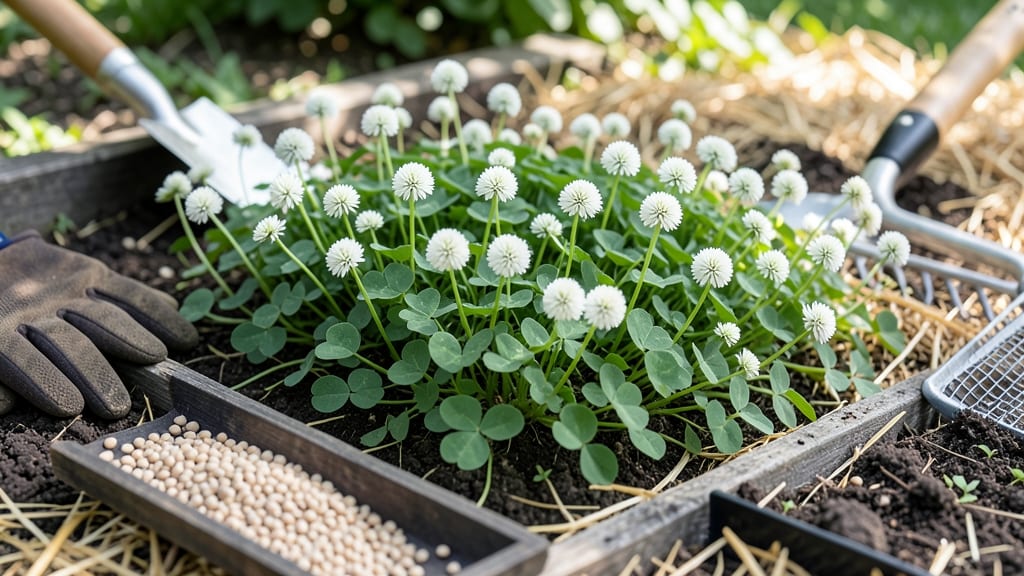
Planting clover in Massachusetts at the wrong time can leave you staring at bare soil instead of a thriving, nitrogen-rich ground cover. The key isn't just picking a season—it's timing it perfectly to avoid frost and maximize your 5b-7a zone's growing potential.
Most gardeners in New England know the struggle: too early, and frost zaps your seedlings; too late, and summer heat stresses them before they take root.
I've learned the hard way that early spring (March-April) and early fall (September-October) are your best bets—but there's more to it than just the calendar.
Whether you're sowing for erosion control, a natural lawn alternative, or forage, understanding Massachusetts' microclimates makes all the difference. Coastal areas warm faster than inland valleys, and highland regions play by their own rules. Let me break down exactly when to plant for each scenario.
By the end, you'll know not just when to plant clover, but how to give it the best shot at success—no guesswork, just results. Let's get your 🌱 clover off to the right start.
Massachusetts clover planting calendar by USDA Zone 5 & 6
Massachusetts gardeners know that timing is everything when planting clover varieties like white, red, and alsike. The state's USDA Zones 5-6 bring unique frost challenges, making precise planting windows critical for success.
Whether you're establishing a cover crop or improving your lawn, understanding these frost-free windows will help you avoid common pitfalls and maximize growth potential.
Clover thrives in Massachusetts' climate when planted during two key periods: early spring (after last frost) and late summer (before first frost). Each clover type has slightly different preferences, so let's break down the optimal planting windows tailored to Massachusetts' microclimates and soil temperature requirements.
Last frost dates in Massachusetts typically range from mid-April in inland areas (Zone 5a) to late March in coastal regions (Zone 6b). First frosts usually arrive between mid-October and early November, depending on elevation. These variations mean your planting strategy should account for local conditions.
Soil temperature is equally important. Clover seeds germinate best when soil reaches 50°F (10°C). In Zone 5 areas, this typically occurs by late April, while Zone 6 regions may reach this threshold by early April.
For fall planting, aim to establish clover 6-8 weeks before first frost to allow sufficient root development.
Here's a detailed comparison of planting windows for Massachusetts' most popular clover varieties:
For spring planting, white clover offers the most flexibility with a 30-day window after last frost. Red clover, however, prefers slightly warmer soils and should be planted when daytime temperatures consistently reach 60°F (16°C).
This typically aligns with late April in Zone 5b and early April in Zone 6b.
Fall planting presents different challenges. Alsike clover establishes well in early fall, giving it time to develop roots before winter. Plant this variety by September 10 in both zones to avoid winter kill.
Red clover's later fall window makes it ideal for late summer planting (August 20-September 10), allowing it to establish before frost arrives.
Remember that coastal areas like Cape Cod and the South Shore (Zone 6b) experience milder winters and can start spring planting 2-3 weeks earlier than inland regions. Inland valleys and highland areas (Zone 5a) should wait until soil temperatures are consistently above 50°F (10°C) before planting to avoid frost damage.
When preparing your planting site, focus on soil preparation. Clover thrives in well-draining soil with a pH between 6.0-7.0. Work compost into the top 6 inches of soil before planting. For lawn improvement, consider oversowing existing grass with clover seeds in late spring when grass is actively growing.
After planting, maintain consistent moisture for the first 4-6 weeks to encourage germination. Once established, clover becomes drought-tolerant and requires minimal maintenance. For best results, mow clover to 2-3 inches height twice annually to promote dense growth and prevent flowering, which can reduce its vigor.
🌱
How to adjust planting dates for Massachusetts microclimates
Massachusetts' diverse geography creates three distinct microclimates that dramatically impact clover planting success. Coastal areas like Cape Cod (Zone 6b) enjoy warmer springs and longer growing seasons, while inland valleys (Zone 5a) face earlier frosts.
Highland regions like the Berkshires (Zone 5a) often experience shorter frost-free windows and cooler soil temperatures.
Understanding these variations lets you fine-tune planting dates for maximum clover establishment. For example, coastal gardeners can plant white clover as early as late March, while highland gardeners should wait until mid-April when soil temperatures consistently reach 50°F (10°C).
The key is monitoring local frost dates and adjusting accordingly.
🌱 Massachusetts Clover Planting Adjustments by Microclimate
| Microclimate | USDA Zone | Spring Planting Window | Fall Planting Window | Soil Temp Threshold |
|---|---|---|---|---|
| Coastal (Cape Cod) | 6b | Late March-Early April | Mid-Sept-Late Sept | 50°F (10°C) |
| Inland Valleys (Pioneer Valley) | 5a | Mid-April-Mid-May | Early Sept-Mid-Sept | 55°F (13°C) |
| Highlands (Berkshires) | 5a | Late April-Early May | Late Aug-Early Sept | 55°F (13°C) |
✅ Pro Tip: Use a soil thermometer to verify soil temperature before planting—this is more reliable than air temperature readings.
For coastal regions, take advantage of the earlier frost-free dates by planting red clover in late March for a head start. These areas benefit from warmer ocean breezes that delay frost until mid-October, extending the growing season by 2-3 weeks compared to inland areas.
I've seen white clover establish beautifully in coastal lawns when planted in early April.
Inland valleys like the Connecticut River Valley experience colder nights and faster soil warming in spring. Here, alsike clover thrives when planted in mid-April after the last frost.
These areas often see hard frosts by October 15th, so aim for fall planting by September 1st to give roots time to establish before winter.
Highland regions present the biggest challenges due to shorter growing seasons and cooler soils. In the Berkshires, I recommend waiting until late April when soil temperatures consistently reach 55°F (13°C).
For fall planting, early September is your last chance—any later risks frost damage before roots establish. Consider using black plastic mulch to warm soil faster in these areas.
Always check local frost dates from your cooperative extension service—these vary even within 50 miles in Massachusetts. For example, Boston (Zone 6b) typically has 10 more frost-free days than Worcester (Zone 5a).
Adjust your clover variety too: white clover handles cooler soils better than red clover, which needs warmer conditions to germinate.