
Plants
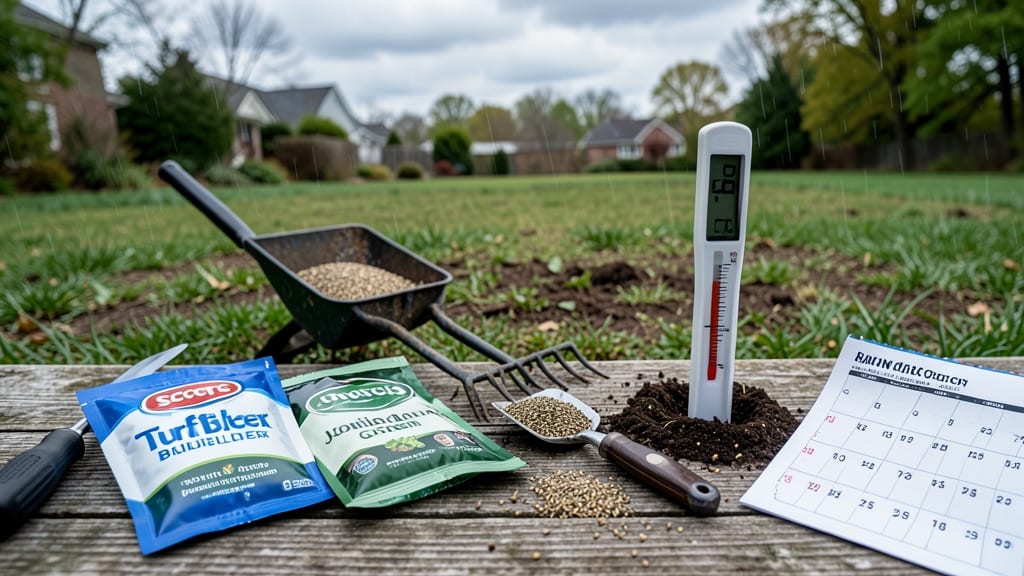
Planting grass seed in Michigan when is it too late to plant grass seed in Michigan can feel like a gamble—will it take root before winter, or will you waste seed and money?
The truth is, your county’s last frost date and soil temperature hold the key to success, and ignoring them could leave your lawn struggling next spring.
Michigan’s USDA zones 5b-6b mean frost can linger into May or arrive as early as October, depending on where you live. In the Upper Peninsula, for example, you’ve got until early September for safe planting, while southern counties like Wayne might squeeze in a late fall attempt until mid-October.
But timing isn’t the only factor—soil needs to stay above 50°F for roots to establish.
If you’re debating late-season planting, overseeding might be your best bet—especially with fast-germinating varieties like ryegrass. I’ll show you how to prep your soil, choose the right seed, and protect your new grass from Michigan’s unpredictable weather, so you don’t end up with a patchy lawn come spring.
Let’s break down the exact deadlines by region, plus the three critical signs your late planting is doomed before you even start. Your lawn’s future depends on getting this right—and I’ve got the data to prove it.
Michigan’s last frost dates by region: county-specific deadlines for grass seed planting
Michigan’s diverse climate means your grass seed planting window can vary by hundreds of miles—even within the same state. Cool-season grasses like tall fescue and Kentucky bluegrass thrive when planted 4-6 weeks before the first frost, while warm-season Bermuda grass needs soil temps above 65°F.
Missing these deadlines risks weak germination or winter kill. Let’s break down county-specific last frost dates to help you plant at the perfect time.
Michigan is divided into three main regions with distinct frost patterns: the Upper Peninsula (UP), Northern Lower Peninsula, and Southern Lower Peninsula. The UP typically sees its last frost 2-3 weeks later than southern counties like Wayne or Monroe.
Even within regions, microclimates—like urban heat islands in Detroit or lake-effect cooling near Traverse City—can shift frost dates by 1-2 weeks. Always check your local USDA zone (5b-6b) for precision.
For cool-season grasses, aim to plant after the last frost but before mid-summer heat (ideal soil temps: 50-70°F). Warm-season grasses, like Zoysia, should go in after Memorial Day when soil is consistently warm.
Fall planting is also viable—late August to early October gives grass time to establish before winter. Below, find your county’s last frost averages and recommended planting windows.
If you’re in the Upper Peninsula, wait until late May to plant—earlier sowings risk frost damage to young grass. Counties like Houghton and Keweenaw often see late-spring frosts, so use cold-tolerant varieties like creeping red fescue.
For the Southern Lower Peninsula, you can start as early as late March if soil isn’t frozen, but April 15 is safer for most cool-season grasses.
Fall planting is trickier but can yield thicker lawns if timed right. Aim to finish by 4-6 weeks before the first frost—early October for southern counties, mid-September for the UP.
Use ryegrass mixes for fast germination and mulch lightly to retain warmth. Avoid planting after September 20 in most regions, as new growth won’t harden off before winter.
Pro tip: Use a soil thermometer to confirm temps—50°F+ for cool-season grasses, 65°F+ for warm-season. If your county’s last frost is April 20 but soil stays cold, wait until May 1 even if it’s later. <
Soil temperature and weather risks: how late is Truly Too Late?
Michigan’s grass seed germination hinges on two critical factors: soil temperature and frost risk. For cool-season grasses like tall fescue or Kentucky bluegrass, soil must stay above 50°F (10°C) for consistent growth.
Warm-season varieties like Bermuda grass need 85°F (29°C) or higher to thrive—below that, they stall. Even a few nights of frost after planting can kill tender seedlings, leaving bare patches.
Your county’s microclimate matters too. Detroit’s urban heat islands may delay frost by 1-2 weeks compared to Traverse City’s cooler lakeside air. Always check your last frost date (typically mid-October for most of Michigan) and adjust planting windows accordingly. Late-season plantings need extra protection to survive unexpected freezes.
🌱
Use this risk assessment to time your planting: If your soil drops below 50°F (10°C) within 2 weeks of seeding, germination slows to a crawl. For late fall plantings, aim to finish 4-6 weeks before the first frost.
In Detroit, this might mean early October, while Traverse City’s cooler climate shrinks the window to late September.
Extending the season requires protective measures. Cover seeds with straw mulch (1/4 inch thick) to insulate against nighttime chills, and use row covers if frost is forecasted.
For warm-season grasses, avoid planting after mid-August—soil temperatures drop too quickly, stalling growth. Always test your soil with a soil thermometer before seeding.
Even with precautions, late plantings face higher risks. Weak seedlings struggle to establish roots before winter, leaving lawns vulnerable to disease or winter kill. If you’re planting in November, consider fast-germinating ryegrass blends—they sprout in 5-7 days and tolerate cooler soils better than fescue.
Just remember: no grass seed can outrun Michigan’s frost.
For high-risk counties like those in the Upper Peninsula, push planting to late August at the latest. Warm-season grasses like zoysia or centipede can handle slightly cooler soils but still need 60°F+ (15°C+) for consistent growth.
When in doubt, err on the side of earlier planting—your lawn will thank you next spring. ☀️