
Planting
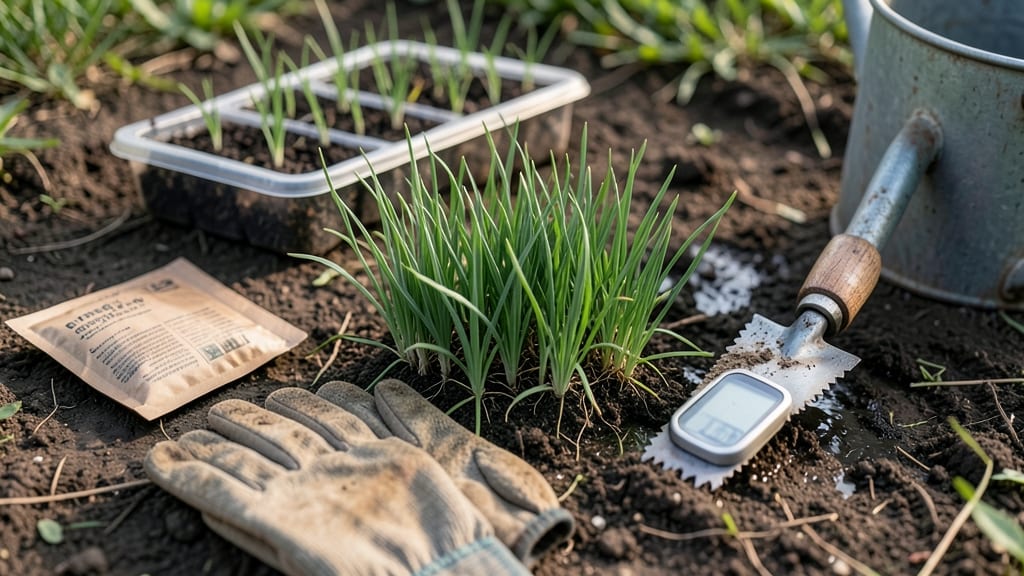
Planting your 🌱 Grass (Turfgrass) at the wrong time in spring can turn your green dreams into thin, patchy disappointment—but get the timing right, and you’ll be rewarded with a thick, vibrant lawn that’s the envy of the neighborhood.
Most gardeners assume "spring" means "as soon as the snow melts," but the truth is more nuanced. The key to success lies in waiting for soil temperatures to hit 55-65°F and the last frost to pass—typically 4-6 weeks before your average last frost date.
In USDA Zone 6a, that usually lands in early April, but regional differences can shift your window by weeks.
Why does timing matter so much? Grass seeds need warm soil to germinate quickly and establish strong roots before summer heat arrives. Plant too early, and frost or cold soil will stall growth.
Too late, and your lawn may struggle to fill in before weeds take over. I’ll walk you through exactly how to check soil readiness and adjust your schedule—no guesswork required.
Whether you’re seeding a new lawn or overseeding an existing one, these insights will help you skip the common pitfalls and fast-track your way to a lawn that looks like it belongs in a postcard. Let’s get started.
Ideal soil temperature and last frost date for spring grass planting
Getting your spring grass planting timing right is the difference between a vibrant lawn and a patchy disappointment.
The key factors are soil temperature and the last frost date—both of which vary dramatically across the U.S. For most cool-season grasses (like Kentucky bluegrass or tall fescue), aim for soil temps between 50-65°F and a frost-free window of at least 2-3 weeks.
Warm-season grasses (such as Bermuda or Zoysia) need warmer soil, ideally 65-75°F, and should wait until after the last frost.
Your USDA hardiness zone plays a huge role in timing.
Northern regions (Zones 3-5) may need to wait until late April or May, while Southern zones (7-10) can plant as early as February or March. Local frost forecasts are your best friend—check the National Weather Service or your local cooperative extension for the most accurate predictions.
Planting too early risks frost damage, while waiting too long can lead to summer drought stress.
Here’s how to align your planting with soil warmth and frost-free windows for your region:
| USDA Zone | Ideal Soil Temp (°F) | Last Frost Date | Best Planting Window | Grass Type |
|---|---|---|---|---|
| 3-5 (Cold Climates) | 50-55°F | Mid-April to May | Late April - Early June | Cool-season (Fescue, Bluegrass) |
| 6-7 (Temperate) | 55-65°F | Early April - Mid-May | March - Early May | Cool-season or Warm-season |
| 8-9 (Warm Climates) | 65-75°F | Late February - March | February - April | Warm-season (Bermuda, Zoysia) |
| 10-11 (Hot Climates) | 70-80°F | January - Early February | January - March | Warm-season (St. Augustine) |
If you’re in a transition zone (like Zone 6-7), you might need to plant cool-season grass in early spring and warm-season grass in late spring/early summer. For example, Kentucky bluegrass thrives in 50-65°F soil, while Bermuda grass waits for 70°F+ soil.
Always check your local extension office for microclimate adjustments—urban areas can be 5-10°F warmer than rural zones.
Pro tip: Use a soil thermometer to confirm warmth before planting. Stick it 4 inches deep (the depth of new grass roots) and wait until temps stay consistent for 3-5 days.
If your soil is still cold, cover the area with black plastic mulch for a week to warm it up naturally. This trick can shave 1-2 weeks off your planting timeline in cooler climates.
For warm-season grasses, timing is even more critical. Plant too early, and the grass will brown out from heat stress. Too late, and it won’t establish roots before summer drought sets in.
Aim for 4-6 weeks before your last frost for cool-season types and after the last frost for warm-season varieties. In Zone 7-8, this might mean planting Bermuda grass in May while tall fescue goes in March-April.
Don’t forget about regional microclimates. A north-facing yard stays cooler longer, while a south-facing slope warms up faster. If you’re unsure, err on the side of planting slightly later—grass seed can sit dormant in the soil for 2-3 weeks without germinating, but frost will kill it instantly.
Use a frost clock or local weather alerts to stay ahead of surprises.
Once you’ve nailed the timing, prep your soil by loosening the top 4-6 inches and adjusting the pH to 6.0-7.0. Add compost or peat moss to improve drainage, and consider a starter fertilizer with high phosphorus to encourage root growth.
With the right soil temp and frost-free window, your grass will establish in 2-3 weeks—setting you up for a lush lawn all season.
🌱
How to check soil readiness and adjust planting timing
Planting grass at the wrong time can leave your lawn struggling to establish, but checking soil readiness doesn’t require fancy tools. The key is understanding when your soil is warm enough and frost-free long enough for seeds to germinate consistently.
Most cool-season grasses thrive when soil temperatures hit 50-65°F, while warm-season varieties need 65-75°F. Without a thermometer, you can use simple tricks to gauge readiness.
Start by checking your local last frost date—planting 4-6 weeks before this date gives seeds time to establish before summer heat arrives. However, if your spring is unpredictable, wait until you’ve seen 3 consecutive days above 50°F.
This consistency signals the soil is ready. For warm-season grasses like Bermuda or Zoysia, aim for soil temps above 65°F, typically late spring or early summer.
Step-by-Step Soil Readiness Check
- 1 Test soil warmth: Press your hand into the soil (about 2-3 inches deep). If it feels warm but not hot (like a lukewarm bath), it’s ready for cool-season grass. For warm-season grass, it should feel hotter, like a summer sidewalk.
- 2 Check frost forecasts: Use the National Weather Service or local agricultural extension service for 10-day forecasts. Look for a 70%+ chance of no frost in the next 2 weeks. Bookmark their alerts for real-time updates.
- 3 Adjust for early/late springs: In early springs, delay planting if nights are still below 40°F. In late springs, prioritize warm-season grasses or use shade cloth to protect seedlings from intense sun.
- 4 Use a DIY soil thermometer: Bury a glass thermometer or even a plastic bottle filled with water (mark the water level—if it rises, soil is warming). For a quick fix, use a digital meat thermometer (calibrated to 50-70°F).
- 5 Plant at the right time: For cool-season grasses (like Kentucky bluegrass), aim for late winter to early spring (March-April in most zones). For warm-season grasses (like Bermuda), wait until late spring to early summer (May-June).
If your soil is still too cold, don’t rush—waiting a few weeks can mean the difference between a thin, patchy lawn and a thick, resilient one. Cover bare soil with straw mulch to protect it from temperature swings and erosion.
Once you’ve confirmed soil readiness, prepare your lawn by removing debris and loosening the top 4-6 inches of soil to improve seed-to-soil contact.
Regional adjustments matter too. In northern climates (USDA Zones 3-5), plant 4-6 weeks before the last frost, often in March or early April. In southern climates (Zones 7-10), aim for late winter to early spring (February-March) for cool-season grasses, or May-June for warm-season types.
Always double-check with your local cooperative extension service for hyper-local advice.
Pro tip: If you’re unsure, plant a small test patch first. This lets you monitor germination and adjust your full planting schedule accordingly. Once your grass is down, keep soil consistently moist (about 1 inch of water per week) for the first 3-4 weeks to encourage strong root development.
By mastering these soil readiness checks, you’ll avoid the heartbreak of slow-growing or failed grass and instead enjoy a lawn that’s lush, green, and established by summer. 🌱