
Companion Plants
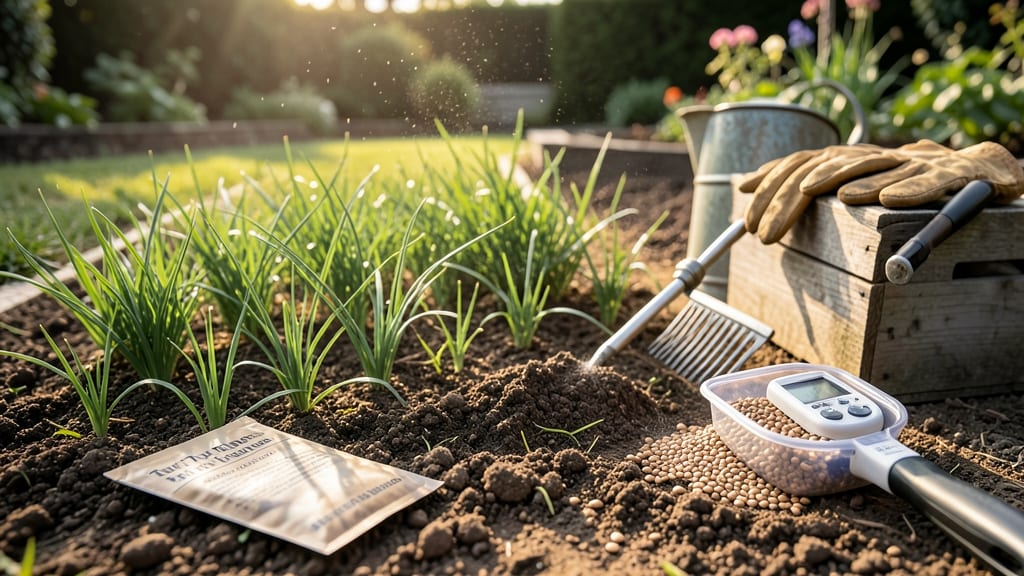
Timing your grass seed planting in Michigan can make the difference between a lush 🌱 lawn and months of patchy frustration. The wrong window means wasted money and delayed results—so knowing exactly when to plant is everything.
With Michigan’s 5b-6b climate zones, your best bet is early spring (March to early May) or early fall (September to October). These windows align with soil temperatures and frost-free periods that give grass the best chance to take root before summer heat or winter freeze sets in.
But here’s the catch: Northern Michigan’s cooler springs mean you might need to wait until mid-April, while southern areas can start as early as late March. I’ll break down the exact frost-free timeline and soil temperature rules so you never plant too soon or too late.
Ready to transform your yard? Let’s dive into the critical steps for planting grass seed at the perfect moment—no guesswork, just results.
Michigan’s frost-free dates & ideal grass seed planting windows
Michigan’s diverse climate means your last frost date can vary by hundreds of miles—even within the same state. In the Upper Peninsula, frost lingers until mid-May, while southern Lower Peninsula areas see their last frost by early April.
This regional difference directly impacts when you should plant cool-season vs. warm-season grasses for maximum success.
For cool-season grasses like Kentucky bluegrass and tall fescue, the ideal planting window is early spring (March–April) or early fall (September–October). These grasses thrive in cooler temperatures and establish roots before summer heat or winter dormancy sets in.
Meanwhile, warm-season grasses like Bermuda prefer late spring planting (after last frost) when soil temperatures exceed 65°F.
The first frost in Michigan typically arrives between mid-October and early November, but this can shift 1–2 weeks earlier in northern regions. Fall planting is often overlooked but offers cooler soil and less weed competition, giving grass seedlings a head start before winter.
Use these frost-free dates as your planting deadline—any later, and your seeds may not germinate before cold snaps arrive.
Microclimates further complicate timing. Urban areas like Detroit or Grand Rapids may experience earlier last frosts than rural farmlands, while Great Lakes shorelines can have delayed frost due to lake-effect cooling. For precise local data, check the Michigan State University Extension’s interactive frost map or use a weather station to track soil temps.
If you’re planting cool-season grasses, aim to finish 2–4 weeks before your area’s average last frost. For example, in Detroit, that means late March to early April, while in Marquette, wait until early June for warm-season grasses like Bermuda.
Pro tip: Use a soil thermometer to confirm temps are above 50°F for cool-season seeds or 65°F+ for warm-season varieties.
Fall planting is my top recommendation for Kentucky bluegrass and tall fescue—seeds germinate in cool, moist soil and establish roots before winter dormancy. By late September, soil temps drop enough to slow weed growth while still allowing grass to take hold.
Just avoid planting after October 15, as early frosts can kill young seedlings.
For warm-season grasses, timing is critical to avoid summer drought stress. Plant Bermuda or Zoysia after last frost but before July 1, giving seeds 6–8 weeks to germinate before fall temperatures drop. In northern Michigan, this window shrinks to June–early July, so
Soil temperature & moisture requirements for Michigan grass seed success
For Michigan lawns, soil temperature is the single most critical factor in grass seed success. Cool-season grasses like Kentucky bluegrass and tall fescue need soil temps between 50°F and 65°F to germinate properly.
Warm-season varieties like Bermuda grass require 65°F+ for optimal growth. Testing your soil’s temperature before planting ensures your seeds won’t sit dormant or rot from cold or heat.
Use a simple soil thermometer to check temps at a 1-inch depth. In Michigan, this typically means waiting until late April to early May for spring planting or September to early October for fall.
Northern regions may need to wait an extra week or two compared to southern areas. Don’t rush—planting too early can leave seeds vulnerable to frost damage.
Before planting, prepare your soil by tilling or aerating to a depth of 4 inches. This loosens compacted soil and improves water absorption. Add compost or peat moss if your soil is sandy or drains too quickly.
For clay-heavy soils in northern Michigan, mix in sand or perlite to improve drainage. A simple soil pH test (ideal range: 6.0–7.0) will tell you if you need to add lime or sulfur.
Once planted, maintain consistent moisture—grass seeds need 1–1.5 inches of water per week during germination. Use a sprinkler or soaker hose to keep the soil evenly damp, not soggy.
Water in the early morning to reduce evaporation and fungal risks. Mulch with straw or peat moss to retain moisture and protect seeds from drying out.
After germination (typically 7–21 days depending on variety), reduce watering slightly but keep the soil moist. Avoid heavy foot traffic until the grass reaches 3–4 inches tall.
In Michigan’s USDA Zones 5b–6b, fall planting offers a second chance for success—cooler temps and consistent rainfall create ideal conditions for seedling establishment.
Monitor your lawn for drought stress signs like yellowing or wilting grass. If your soil feels dry 2 inches below the surface, water deeply. In summer, increase watering to 1–1.5 inches per week to prevent heat damage.
With the right soil prep and moisture control, your Michigan lawn will establish strong roots and thrive year-round.