
Plants
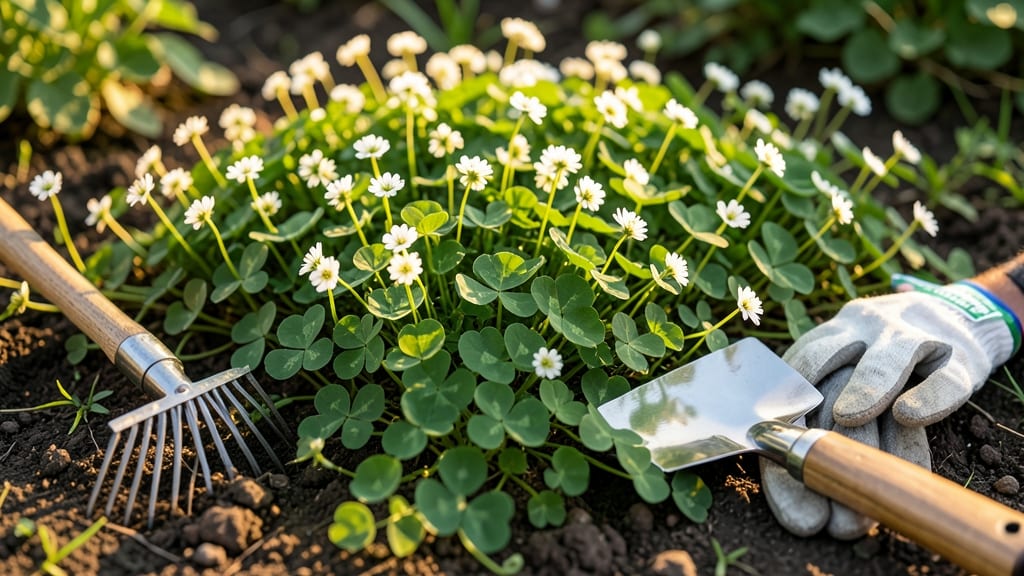
Timing your 🌱 clover planting in Kentucky can mean the difference between a thriving lawn and struggling seedlings—especially when frost dates shift unpredictably. The key window is early spring (March-April) or early fall (September-October), when soil temperatures hit that sweet spot of 50°F for germination.
Why does this matter? Kentucky’s USDA Zones 6a-7a mean frost can linger into mid-April, and planting too early risks stunted growth. But wait until May, and you might miss the optimal 60-day window before summer heat sets in.
Whether you’re seeding for erosion control, nitrogen-rich cover crops, or a lush lawn, the right timing ensures your clover takes root before stress hits.
I’ll break down the exact months to plant, soil prep tips, and how to protect seedlings from late frosts—so you can avoid common mistakes Kentucky gardeners make.
Ready to transform your yard? Let’s dive into the best months for planting 🌱 clover in Kentucky and keep it thriving year-round.
Best months to plant clover in Kentucky for maximum root development
Kentucky gardeners know timing is everything when planting nitrogen-fixing clover. With USDA Zones 6a-7a and variable frost dates, choosing the wrong window can leave your clover struggling.
The ideal planting months create strong root systems that withstand Kentucky’s humidity and occasional drought. Let’s break down the perfect timing for white, red, and alsike clover varieties.
For maximum root development, focus on two key windows: early spring (March-April) and early fall (September-October). These periods align with soil temperatures above 50°F and minimal frost risk.
Planting outside these windows often results in weak seedlings or frost damage before establishment. Let’s explore why these months work best for Kentucky’s climate.
Soil temperature is the most critical factor. Clover seeds germinate best when soil reaches 50-60°F. In Kentucky, this typically occurs by mid-March in southern regions and late March in northern areas. Fall planting should happen before October 15 to allow roots to establish before winter dormancy. Use a soil thermometer to verify conditions before planting.
Frost dates vary across Kentucky’s microclimates. Northern counties (like Lexington) often see last frosts around April 15, while southern areas (like Bowling Green) may be frost-free by March 20. Always wait until after the last expected frost to plant clover, as young seedlings are highly frost-sensitive. Check your local Kentucky Mesonet station for precise frost predictions.
Clover varieties have slightly different preferences:
- White clover: Most adaptable, thrives in both spring and fall plantings
- Red clover: Prefers cooler spring soils but can handle early fall plantings
- Alsike clover: Best suited for spring planting due to slower fall establishment
| Planting Window | Ideal Months | Soil Temp Requirement | Frost Risk | Best Varieties |
|---|---|---|---|---|
| Early Spring | March-April | 50-60°F | Low (after last frost) | White, Red, Alsike |
| Early Fall | September-October | 55-65°F | Moderate (before first frost) | White, Red |
| Late Summer (Emergency) | August (Southern KY) | 60°F+ | High (risky) | White clover only |
🌱 Note: Always verify local frost dates using Kentucky Mesonet
Spring planting offers the best conditions for root establishment. By planting in March or April, you give clover seedlings 6-8 weeks of warm soil before summer heat arrives. This window also coincides with Kentucky’s peak rainfall, reducing irrigation needs.
For best results, prepare your soil in February by adding compost and tilling to a depth of 4-6 inches.
Fall planting in September-October provides a second chance for strong root development before winter. The cooler temperatures reduce weed competition while maintaining adequate soil moisture. This method is particularly effective for cover cropping or lawn seeding, as fall-grown clover establishes deep roots that survive Kentucky’s humid winters.
Aim to plant at least 6 weeks before your area’s first frost date.
While late summer planting (August) is possible in southern Kentucky, it’s risky due to high heat and drought. Only attempt this with white clover, which has the highest heat tolerance.
If planting in late summer, use mulch to retain moisture and consider shade cloth to protect young seedlings from intense afternoon sun.
After choosing your planting window, follow these three key steps for success:
- Test soil pH (ideal range: 6.0-7.0) and amend if needed
- Plant seeds at 1/4-inch depth with a broadcast spreader
- Keep soil consistently moist for 3-4 weeks post-planting
Remember, Kentucky’s climate rewards patient gardeners. By planting during these optimal windows and providing proper care, your clover will establish deep, resilient roots capable of withstanding the state’s variable weather patterns.
Whether you’re growing clover for nitrogen fixation, bees, or ground cover, timing is the secret to success.
How Kentucky’s microclimates affect clover planting success
Kentucky’s diverse geography creates distinct microclimates that dramatically impact when and where you should plant clover. The Bluegrass Region in northern Kentucky enjoys milder winters and earlier springs, while the Pennyrile Plateau in the west faces harsher frost risks.
These differences mean your planting window could shift by weeks depending on location.
Elevation plays a key role too. Areas like Lexington (elevation 980 ft) typically see last frosts around April 15, while Paducah (elevation 345 ft) often holds frost until April 25. This delay can push your ideal planting window from early April to late April for western Kentucky gardeners.
Humidity levels also vary dramatically—northern Kentucky’s 60-70% humidity supports faster clover germination, while southern regions hover around 55-65%, sometimes causing slower establishment. Understanding these patterns helps you time your planting for optimal root development before summer heat sets in.
For white clover, which thrives in cooler conditions, northern Kentucky’s earlier windows mean you can start as early as mid-March in protected microclimates.
However, in western Kentucky, waiting until mid-April reduces frost damage risks. Red clover, which prefers warmer soil, benefits from the late April to early May window across most regions.
Southern Kentucky’s later frost dates create a higher risk for late planting. If you delay beyond May 1 in western regions, your clover seeds may struggle to establish before summer heat and drought stress set in.
I recommend using row covers for late plantings to accelerate germination and protect young seedlings.
Always check your local USDA Plant Hardiness Zone (6a-7a in Kentucky) and monitor soil temperatures—clover needs at least 50°F soil to germinate properly. In northern Kentucky, this typically aligns with early April, while southern areas may need to wait until mid-April or later.
By aligning your planting with these regional patterns, you’ll maximize your clover’s nitrogen-fixing benefits and create a resilient ground cover that adapts to Kentucky’s changing climate. 🌱