
Plants
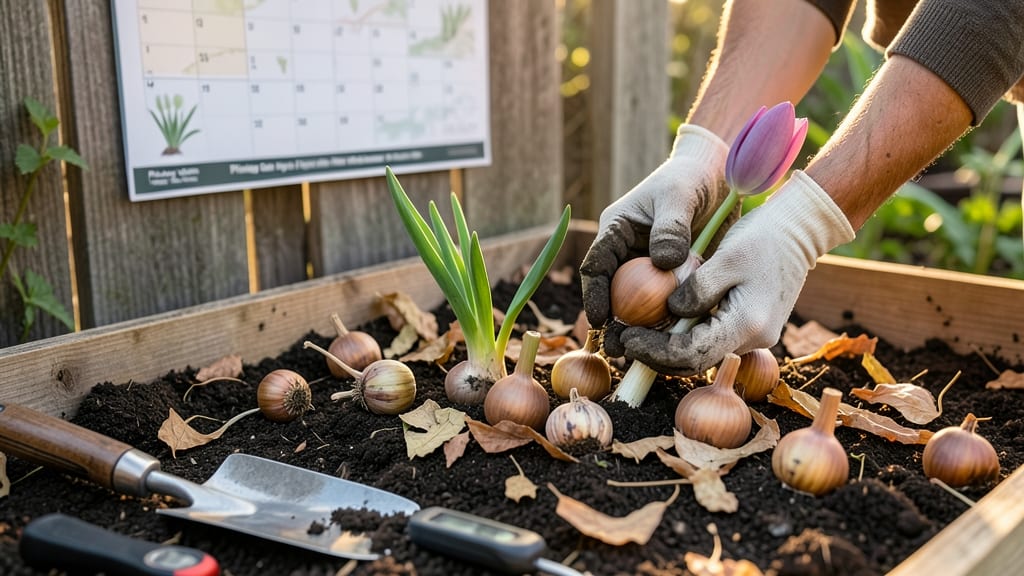
Planting Spring-Blooming Bulbs 🌷 in New England isn’t just about timing—it’s about outsmarting the region’s famously fickle winters. Get the schedule wrong, and you’ll either watch your bulbs rot before frost or miss the narrow window that guarantees those cheerful spring blooms.
I’ve learned the hard way that New England’s 5b-6b zones demand precision: too early in September, and your bulbs may sprout before winter sets in; too late in December, and they’ll sit dormant until next year’s blooms.
The sweet spot? October to November, when soil temps drop but the ground stays workable.
This isn’t just theory—it’s a battle against frost dates that shift yearly. Whether you’re in coastal Maine or the White Mountains, I’ll break down exactly when to plant tulips, daffodils, and crocuses for your specific microclimate, plus how to adjust if Mother Nature throws you a curveball.
Ready to turn your yard into a springtime explosion of color? Let’s dive into the frost-date cheat sheet that’ll have your garden thriving—no guesswork required.
New England bulb planting calendar by last frost date zones
New England’s cool climate and variable frost dates make timing critical for bulb success. Most spring-blooming bulbs—like tulips, daffodils, and hyacinths—need 6-8 weeks in the ground before winter sets in.
Plant too early, and they’ll rot; too late, and they won’t bloom. Here’s your zone-specific guide to nail the perfect window.
Your last frost date is the anchor for bulb planting. Inland areas (like USDA Zone 4 in Vermont) freeze earlier than coastal spots (like Zone 6 in southern Connecticut). For example, Portland, Maine averages its last frost around May 15, while Burlington, VT sees frost until June 1.
Adjust your planting 4-6 weeks before your typical first hard frost.
Soil temperature matters just as much as air temperature. Bulbs thrive when soil cools to 50-60°F—ideal for root establishment. Use a soil thermometer to confirm readiness. In Zone 3 (northern New Hampshire), aim for late September planting, while Zone 5-6 (Massachusetts, Rhode Island) can wait until mid-November.
For coastal areas, like Providence, RI or Portland, ME, you can push planting later due to milder winters. Crocuses and snowdrops are exceptions—they thrive when planted in late fall (November) because they bloom early under snow.
In contrast, tulips and hyacinths need earlier planting (September–October) to establish roots before winter.
If you’re in a high-altitude area (e.g., White Mountains), plant bulbs 2-3 weeks earlier than your zone’s average. Cold air settles in valleys, creating microclimates where frost arrives sooner.
Conversely, urban heat islands (like Boston) may delay frost by 1-2 weeks, giving you a slightly extended planting window.
Pro tip: Mulch after planting with 3 inches of straw or shredded leaves to insulate bulbs from temperature swings. This is especially critical in Zone 3-4, where winter temps can plummet below 0°F. Mulch also prevents soil heaving during freeze-thaw cycles, keeping bulbs snug in the ground.
Don’t forget fall-blooming bulbs, like crocuses and sterling hyacinths, which can be planted as late as December in Zone 5-6. These hardy gems tolerate early winter planting because they bloom before spring bulbs.
For maximum blooms, mix early, mid, and late-season bulbs in the same bed to extend your garden’s color palette.
Use this frost-date cheat sheet
How to adjust planting times for New England’s unpredictable weather
New England’s weather can throw off even the most experienced gardeners. A late frost in May or an early thaw in October means your bulb planting schedule needs flexibility.
The key is understanding how to read your microclimate and adjust planting times accordingly—whether you’re in the White Mountains or coastal Maine.
Start by checking your last frost date, but don’t rely solely on averages. High-altitude areas like the Green Mountains freeze earlier than coastal zones. For example, Burlington, VT (Zone 4) may see frost until May 15, while Portland, ME (Zone 5) might hold off until May 25.
Use a soil thermometer to confirm when the ground is consistently 40°F or below.
⚠️ WARNING: Planting bulbs at the wrong time can ruin your spring blooms!
- Rot before dormancy: Bulbs planted too close to frost won’t root properly.
- Missed chilling: Some varieties (like tulips) need 12-16 weeks of cold to bloom.
- Weak growth: Early thaws can trick bulbs into sprouting before they’re ready.
For high-altitude gardens (e.g., Mount Washington), plant bulbs 4-6 weeks earlier than coastal areas. The White Mountains can experience 10-14°F colder nights, so aim for late September planting instead of October. Conversely, coastal Rhode Island or Massachusetts may extend planting into mid-November due to milder winters.
If you’re starting bulbs indoors for earlier blooms, mimic winter conditions with a refrigeration period. Most bulbs need 6-8 weeks at 35-45°F before transplanting. Use a cool basement or garage (not a fridge—humidity is critical!).
For tulips or hyacinths, this means planting by mid-September to meet the chilling requirement by December.
When in doubt, use backup planting dates. For example, if October brings unusually warm soil, delay until early November. Conversely, if November stays cold and dry, plant as late as mid-December—just ensure the ground isn’t frozen.
A thin layer of mulch (straw or leaves) helps regulate soil temperature and retain moisture.
Remember: New England’s weather is a moving target. Keep a gardening journal to track your local frost dates and adjust next year. With these strategies, you’ll beat the odds and enjoy vibrant spring blooms no matter what Mother Nature throws your way. 🌷