
Plants
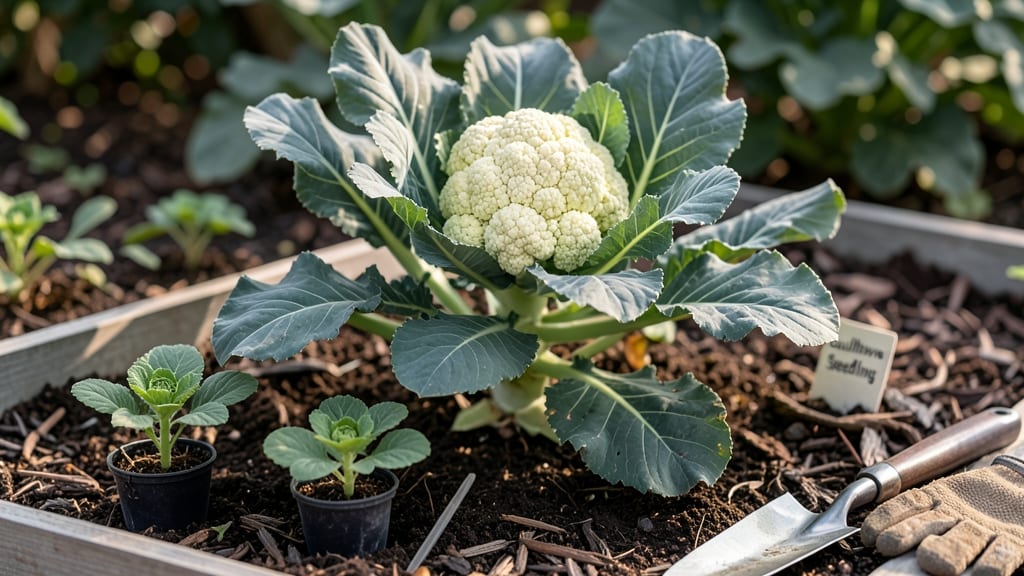
Planting cauliflower in North Carolina at the wrong time means watching your hard work turn to mush from a surprise frost. The key to avoiding this common gardener’s nightmare is knowing when to plant—whether you're in the cooler mountain regions or the warmer coastal plains.
With USDA zones ranging from 6b to 8a, timing matters more than you might think. In most of the state (zones 7a-7b), your best bet is to start seeds indoors 4-6 weeks before your last frost date—typically late February to early April for spring harvests.
But if you're aiming for a fall crop, you’ll need to plant in late summer.
Why does this matter? Because cauliflower 🥬 thrives in cool weather and bolts (goes to seed) when temperatures climb above 80°F. Get the timing right, and you’ll enjoy a bumper crop of tender, homegrown heads.
Get it wrong, and you’ll be left with bitter, inedible plants—or worse, none at all.
In this guide, I’ll break down the exact planting windows for your county, plus pro tips to adjust for early frosts, late springs, and even microclimates. Let’s make sure your cauliflower gets the perfect start—no frost-related disappointments included.
NC county-specific cauliflower planting deadlines by climate Zone
North Carolina’s five USDA hardiness zones (3A–8A) create dramatic differences in cauliflower planting success. In Asheville (Zone 7a), you’ll plant months earlier than in Wilmington (Zone 8a). The key is aligning your last frost dates with each region’s microclimate.
For example, mountain counties like Henderson (Zone 6b) face frost until April 15, while coastal areas like New Bern (Zone 8a) rarely see frost after January 15.
Spring planting is critical—start seeds indoors 4–6 weeks before your last frost or direct-sow outdoors 2–3 weeks after. Fall planting requires even more precision: transplant seedlings 10–12 weeks before your first frost (typically mid-October in most zones).
Miss these windows, and frost damage or bolting (premature flowering) will ruin your crop. Let’s break it down by zone to ensure your cauliflower heads stay firm and frost-free.
In Zone 3A–4B (mountains), your short growing season demands early starts. Begin indoor seedling trays by March 1 for outdoor transplanting by April 15. For Zone 8A (coastal), you can direct-sow as early as January 1, thanks to milder winters.
The Piedmont (Zone 7A–7B) offers a sweet spot: plant outdoors by March 15 for spring harvests or July 1 for fall. Always check your local CoCoRaHS frost data—urban areas like Raleigh can be 3–5°F warmer than rural zones, delaying frost risks.
Fall planting is trickier. In Zone 5A–6B, aim for July 1–15 to harvest before November 15 frost. Use row covers to extend your window by 2–3 weeks.
For Zone 8A, you can push it to August 1, but heat stress after 90°F will stunt growth. Slow-bolting varieties like ‘Purple of Sicily’ tolerate warmer temps better than standard white cauliflower. Always harden off seedlings for 7–10 days before transplanting to avoid shock.
Soil temperature matters just as much as air temperature. Cauliflower roots thrive in 60–70°F soil. Use a soil thermometer—if it’s below 55°F, wait or use black plastic mulch to warm the ground.
In Zone 3A, this might mean delaying outdoor planting until May 1 for fall crops. Elevation adjustments are critical: Asheville’s 2,500-foot elevation adds 2–3 weeks to frost risks compared to Wilmington’s sea level. Account for these microclimates when planning.
Pro tip: Seed-starting indoors buys you flexibility. Begin 8–10 weeks before your last frost (e.g., January 15 in Zone 8A or February 1 in Zone 7A).
Use grow lights for 14–16 hours/day to prevent leggy seedlings. Transplant outdoors when seedlings have 4–6 true leaves and soil temps hit 55°F. Space plants 18–24 inches apart—crowding stresses cauliflower and invites cabbage worms.
Frost damage is the #1 enemy. If a late frost hits after transplanting, cover plants with frost cloth or old bedsheets secured with bricks or stakes. Avoid plastic—it traps too much heat and can scorch leaves.
For fall crops, prioritize fast-maturing varieties (60–70 days) like ‘Snowball Y Improved’ to harvest before cold sets in. Purple cauliflower (e.g., ‘Graffiti’) is more cold-tolerant than white varieties, making it ideal for Zone 5A–6B.
Monitor your local weather forecasts the week before transplanting. If nighttime temps drop below 40°F, delay planting or use row covers for protection. Mulch heavily with straw or shredded leaves to insulate roots.
In Zone 8A, humidity can cause damping off—sow seeds in well-draining soil and avoid overhead watering. **Drip
How to adjust planting dates for early or late frost risks
North Carolina’s microclimates can create 50-day differences in frost-free dates between mountain valleys and coastal plains. If you plant cauliflower too early in the Piedmont or too late near Wilmington, frost will destroy your crop before harvest.
The key? Adjusting your planting timeline based on local frost data and elevation.
Start by checking your USDA hardiness zone and average last frost date. For example, Asheville’s last frost typically arrives by April 15, while Wilmington’s comes March 1.
Use these dates as your baseline, then tweak based on your garden’s specific conditions—like whether it’s in a sunken area or near a heat-absorbing pavement.
⚠️ Critical Frost Adjustment Rule
Mountain gardens (e.g., Boone) can have 10–14 days later frost dates than valley floors just 5 miles away. Always verify with your local Cooperative Extension office or use the NC State Climate Office frost calculator (link).
For coastal NC, add 7–10 extra days to frost-free calculations due to marine layer delays in warming.
For high-risk areas like the Piedmont or coastal plains, use seed-starting indoors to extend your season. Begin seeds 6–8 weeks before your target outdoor planting date. For example, if your last frost is March 15, start seeds by January 20 to transplant hardened-off seedlings by March 1.
Protect young plants with row covers or low tunnels if frost threatens after transplanting. In Zone 7b (common in Raleigh), this means covering plants until April 30 to ensure heads form before summer heat arrives.
Monitor 7-day forecasts and act quickly—cauliflower heads won’t tolerate even 28°F for more than a few hours.
For fall planting, aim to harvest before the first frost. In Zone 8a (e.g., Fayetteville), this means sowing seeds by July 15 for a 90-day variety like ‘Purple of Sicily’ to finish by October 15.
Use black plastic mulch to warm soil and accelerate growth, especially in sandy soils that cool quickly.
Always have a backup planting date in mind. If your initial spring planting fails due to frost, have transplant-ready seedlings on hand for a 2-week later replant. For fall, consider succession planting every 2 weeks from July to August to stagger harvests and minimize frost risk.