
Plants
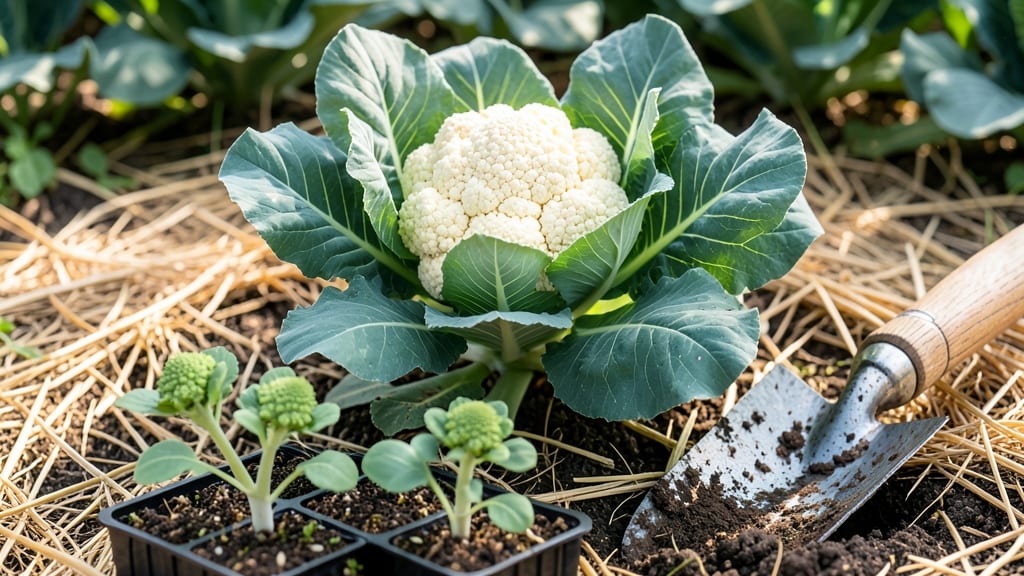
Planting cauliflower in Ohio isn't just about throwing seeds in the dirt—it's about catching that narrow spring-to-fall window when your 🥬 thrives. Get it wrong, and you'll either face frost damage or watch your plants bolt in summer heat.
The good news? Ohio's USDA Zone 6a gives you two clear chances to succeed—if you know exactly when to start.
Most gardeners in Ohio make the mistake of waiting too late for spring or planting fall crops too close to the first frost. But timing is everything: start seeds indoors by mid-March for a May transplant, or direct-sow in late July for a fall harvest.
The key is working with Ohio's 165 frost-free days, not against them.
I've grown cauliflower in Ohio for years, and I'll show you how to avoid the most common pitfalls—like inconsistent soil moisture or late blight—that ruin crops. Whether you're a beginner or a seasoned gardener, these strategies will help you maximize your harvest from June through November.
Ready to grow perfect heads of cauliflower? Let's break down the exact planting schedule for Ohio's climate, including when to transplant, how to extend your season, and what to watch for to keep your 🥬 happy until harvest time.
Ohio’s best cauliflower planting dates by USDA Zone (5, 6, 7)
Cauliflower thrives in Ohio’s cool seasons, but getting the timing right means the difference between a bountiful harvest and wasted effort. In USDA Zone 5, where winters are colder, you’ll need to start earlier than in Zone 7, where mild winters allow for extended fall planting.
The key is planting 4-6 weeks before your last frost date—this gives seedlings time to establish roots before summer heat arrives.
For spring planting, aim to transplant hardened-off seedlings into the garden 2-3 weeks before the last frost. In Ohio, this typically falls between mid-April and early May, depending on your exact zone.
Fall planting should happen 8-10 weeks before the first frost, usually between late July and early August, to ensure heads mature before winter sets in.
Here’s a quick reference for Ohio’s USDA Zones 5, 6, and 7, including ideal transplant windows and maturity calculations to avoid summer bolting or winter kills.
In Zone 5, where frost lingers longer, I recommend starting seeds indoors by mid-March for spring transplants. Use grow lights or a sunny windowsill to keep seedlings strong until they’re ready to harden off.
For Zone 7, you’ve got a little more flexibility—direct sow seeds in early April or transplant slightly later, around May 1, to avoid summer bolting.
Fall planting is trickier in Ohio because of our short growing season. In Zone 5, aim to transplant by late July for a late October harvest.
In Zone 7, you can push it to early September if you choose fast-maturing varieties like ‘Snowball Y Improved’, which matures in just 50-60 days. Always pick varieties labeled for your zone to ensure success.
One common mistake I see is planting too late in spring, thinking the frost has passed. But Ohio’s late spring frosts can still hit in May—always check your local frost-free date and plan accordingly.
For fall, don’t wait until August to plant; the heads won’t have enough time to mature before frost.
To maximize your harvest, consider succession planting: start a second batch of seeds indoors in early June for a late summer transplant. This way, you’ll have cauliflower ready to harvest in September or early October, just as summer crops wind down.
Just be sure to use shade cloth if temperatures exceed 80°F to prevent bolting.
Ohio’s soil temperature is another critical factor. Cauliflower seeds need soil that’s at least 40°F to germinate, while transplants prefer 50-60°F. Use a soil thermometer to check before planting, especially in Zone 5, where cool soils can delay germination.
If your soil is too cold, wait a few days or use black plastic mulch to warm it up faster.
Finally, don’t forget that cauliflower is a heavy feeder. Before transplanting, amend your soil with compost or aged manure and side-dress with balanced fertilizer (10-10-10) when the heads start forming. In Ohio’s clay-heavy soils, adding sand or peat moss can improve drainage and prevent rot.
With the right timing and a little preparation, you’ll be enjoying homegrown cauliflower from spring through fall—just in time for Ohio’s first frost! 🥬
How to extend Ohio’s cauliflower growing season with succession planting
Ohio’s short growing season can feel like a race against time for cauliflower lovers, but with succession planting, you can stretch harvests from spring to fall. The key is breaking the season into three strategic windows: early spring starts, mid-summer transplants, and fall succession.
This approach lets you enjoy fresh cauliflower even when summer heat or winter frost threatens your crop.
Most gardeners focus on spring planting, but Ohio’s climate actually allows for two full harvests per year if you plan carefully. The trick is selecting fast-maturing varieties for summer and protecting fall crops with row covers.
I’ve found that Purple of Sicily and Snowball Y Improved varieties handle Ohio’s heat better than others, giving you more flexibility in timing.
- 1 Early Spring Planting (Zone 5-7): Start seeds indoors 4-6 weeks before last frost (mid-February to early March). Transplant outdoors by April 1-15 when soil reaches 45°F. Choose 50-60 day varieties like 'Early Snowball' for June harvests.
- 2 Mid-Summer Transplants: After spring harvests, sow quick-maturing seeds (45-50 days) directly in late June. Use shade cloth to protect seedlings from 85°F+ heat. Transplant hardened-off starts by July 15 for September-October harvests.
- 3 Fall Succession Planting: For late fall harvests, start seeds indoors August 1-15 and transplant by September 1. Use row covers after first frost to extend season. Aim for 70-80 day varieties like 'Chef's Choice' to mature before hard frost (October 15 in most of Ohio).
- 4 Soil Prep Secret: Amend beds with compost and aged manure before each planting. Cauliflower is heavy feeders and needs pH 6.5-7.0. Test soil in fall and spring—I’ve seen yields double when soil is properly prepped!
One mistake I see often is planting all cauliflower at once and hoping for the best. Instead, stagger plantings every 2-3 weeks during each season to ensure a continuous supply.
For example, if your first spring batch bolts in July, a second planting in early June will still produce heads by August. This rolling harvest method keeps your kitchen stocked without overwhelming you with one giant crop.
Don’t overlook container growing for succession planting—it’s perfect for small spaces or urban gardens. Use 5-gallon pots with well-draining mix and plant successive batches every 3 weeks. I’ve grown Purple of Sicily in containers on my patio, harvesting heads from June through October with minimal space.
Just remember to fertilize lightly every 3 weeks and keep soil consistently moist.
For fall crops, row covers are your best friend. Lightweight frost blankets can extend the season by 3-4 weeks, protecting tender heads from early frosts. I’ve used them to harvest cauliflower in early November when temperatures dip to 28°F.
Remove covers during the day to prevent heat stress, and secure edges tightly to avoid wind damage. This simple trick can mean the difference between a bountiful fall harvest and wasted effort.
With these strategies, you can turn Ohio’s short season into a year-round cauliflower celebration. Start small with one succession batch, then expand as you gain confidence. Before you know it, you’ll be the neighbor everyone asks for fresh cauliflower—even in late October! 🥬