
Plants
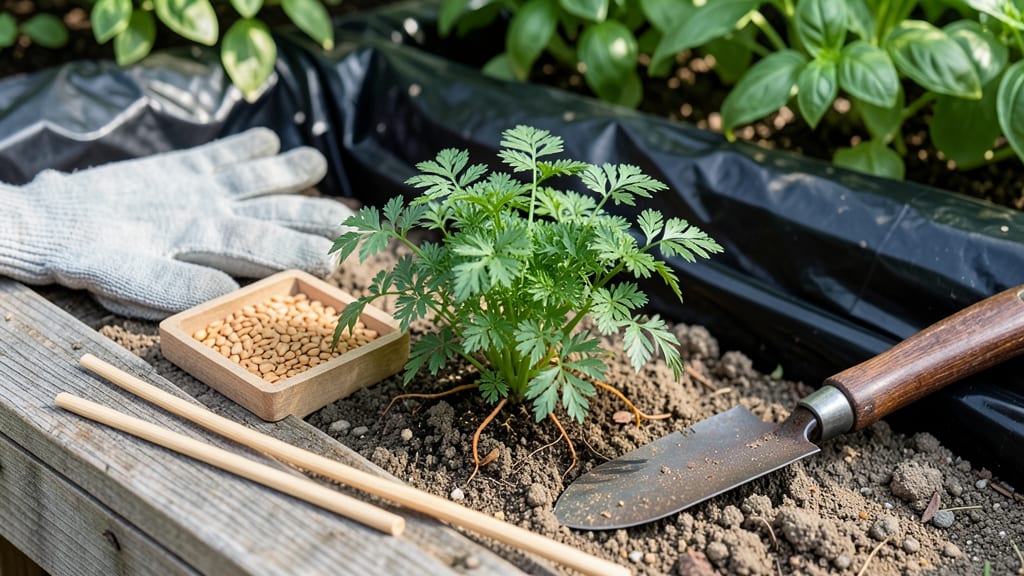
Planting carrots in San Diego might seem tricky—after all, your 🥕 could bolt into flower before you even get a harvest. But here’s the secret: the right timing turns this challenge into a year-round victory.
Unlike other regions, San Diego’s mild winters and hot summers demand a strategic approach to avoid bitter, stringy roots or wasted seeds.
Most gardeners here focus on three key windows: fall, winter, and early spring. These months offer cooler temperatures that prevent bolting, while summer’s heat can turn your carrots into leafy disappointments.
The good news? With the right variety and soil prep, you can grow them almost any time—even in coastal vs. inland microclimates where conditions shift dramatically.
If you’ve ever pulled up a patchy, forked carrot only to wonder, “What went wrong?”—this is your sign to adjust your schedule. I’ll show you exactly when to plant for crisp, sweet roots, plus how to stretch your growing season so you’re harvesting fresh 🥕 from March through November.
No more guesswork, just reliable results.
Ready to master the timing? Let’s dive into the 3 best months to plant carrots in San Diego—and how to keep them thriving even when the weather tries to outsmart you.
San Diego carrot planting calendar: 3 best months to avoid bolting
San Diego’s Mediterranean climate offers a unique advantage for growing carrots—you can plant year-round! But without the right timing, your crisp orange roots will bolt (flower prematurely) before harvest. The key is understanding temperature thresholds and microclimate differences between coastal and inland areas.
Carrots thrive when soil temperatures stay between 50°F and 75°F. In San Diego, this means avoiding the hottest summer months (June–August) and the unpredictable spring rains that can stress seedlings. Instead, focus on fall, winter, and early spring for the best results.
Here’s the exact schedule to maximize your yield and avoid bolting, tailored for San Diego’s USDA Zone 10a.
-
1. Late Fall (October–November)
Soil temps: 60°F–70°F. Ideal for winter harvests before spring heat arrives. Use shade cloth if planting near summer’s end. -
2. Winter (December–February)
Soil temps: 50°F–65°F. Perfect for slow, sweet root development. Coastal areas stay milder; inland zones may need row covers. -
3. Early Spring (March–April)
Soil temps: 55°F–68°F. Critical window to beat spring bolting. Avoid planting after April 15 in inland areas.
San Diego’s coastal vs. inland microclimates create subtle but critical differences. Coastal areas near La Jolla or Pacific Beach stay cooler year-round, allowing later fall plantings (up to November). In contrast, inland zones like Escondido or Ramona heat up faster—plant 4–6 weeks earlier to align with cooler soil temps.
For fall plantings, aim for October 1–November 15. This gives roots time to mature before winter rains arrive. Use fast-maturing varieties like ‘Paris Market’ (50 days) or ‘Danvers Half Long’ (70 days) to ensure harvest before spring heat triggers bolting.
Winter is the sweet spot for San Diego carrots. Plant December through February when daytime highs hover around 65°F–70°F. Coastal gardens benefit from consistent moisture, while inland areas may need drip irrigation to prevent drought stress. Mulch with straw or compost to retain soil moisture and regulate temps.
Early spring is your last chance before summer heat sets in. Plant March 1–April 15, prioritizing shade-tolerant varieties like ‘Rainbow’ or ‘Purple Haze’ for partial shade gardens. After April 15, soil temps in inland areas often exceed 70°F, increasing bolting risk.
Pro tip: Succession plant every 2–3 weeks in fall and winter to ensure a steady harvest. For example, sow October 1, October 15, and November 1 for staggered maturity. This technique works especially well in container gardens, where you can move pots to cooler microclimates as needed.
Remember, soil preparation is just as critical as timing. Amend your beds with compost and coarse sand to prevent forked or woody roots. San Diego’s clay-heavy soils in some areas (like City Heights) can be tricky—mix in 10–20% perlite for ideal root development.
By following this 3-month planting window, you’ll avoid the #1 enemy of San Diego carrots: bolting. With the right timing, you’ll enjoy crisp, sweet roots from fall through spring—even in our unpredictable climate! 🌱
How to extend carrot growing season in San Diego’s hot summers
San Diego’s summer heat can turn your carrot patch into a bolting disaster—but with the right strategies, you can grow crisp roots all year. The key is heat management and succession planting.
Coastal areas stay cooler than inland zones, so adjust your approach based on your microclimate. Let’s break down how to keep your carrots thriving even when temperatures soar.
For coastal San Diego, where temperatures rarely exceed 85°F, you can extend the season with minimal adjustments. Inland areas, however, face 90°F+ heat, which stresses carrots. Start by choosing heat-tolerant varieties like ‘Danvers Half Long’ or ‘Nantes’, which handle warmer soils better than standard types.
Here’s a quick comparison of your best options for summer carrot growth:
Summer Carrot Growing Strategies
Shade Cloth (30-50%)
Pros: Reduces soil temp by 10-15°F, prevents bolting, works for coastal/inland.
Cons: Slows growth slightly, requires setup/removal.
Succession Planting
Pros: Ensures continuous harvest, works year-round, minimal extra effort.
Cons: Requires space management, needs consistent watering.
Heat-Tolerant Varieties
Pros: Bolt-resistant, faster maturity, ideal for inland areas.
Cons: May sacrifice sweetness, limited flavor compared to cool-season types.
Mulching (Straw/Grass Clippings)
Pros: Keeps soil cool, retains moisture, suppresses weeds.
Cons: Can attract pests if too thick, requires replenishing.
For coastal gardens, focus on mulching with straw or wood chips to retain moisture and keep roots cool. Inland growers should combine shade cloth (30-40%) with drip irrigation to prevent soil from drying out.
Water deeply in the early morning to avoid evaporation, and aim for 1-2 inches per week—even more during heatwaves.
Soil prep is critical. Amend your beds with compost or aged manure to improve drainage, and avoid fresh nitrogen-rich fertilizers, which encourage leafy growth over roots. Test your soil’s pH—carrots prefer 6.0-7.0.
If your soil is sandy (common in coastal areas), mix in organic matter to prevent cracking. For clay-heavy inland soils, add perlite or coarse sand to loosen the texture.
Plant seeds 1/4 inch deep in rows spaced 12-18 inches apart, and thin seedlings to 2-3 inches apart once they’re 2 inches tall. This spacing reduces competition and improves airflow, cutting down on fungal diseases like leaf blight.
For a continuous harvest, sow new seeds every 2-3 weeks from May through September.
Monitor your carrots for bolting signs: elongated stems, yellowing leaves, or flower stalks. If you spot these, harvest immediately or shade the area further. With these strategies, you’ll enjoy homegrown carrots year-round, even in San Diego’s hottest months! 🥕