
Plants
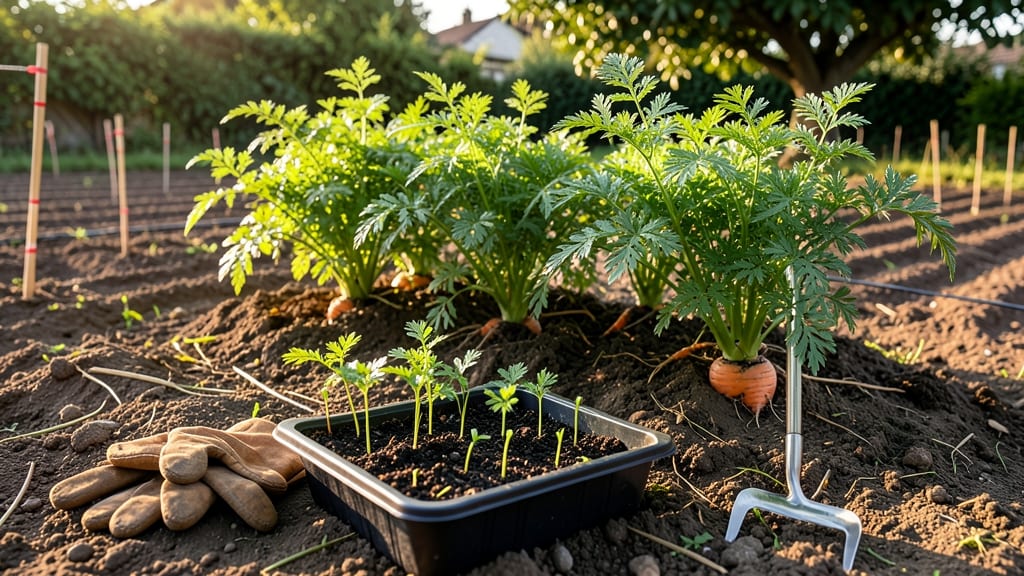
Planting carrots in Florida isn’t just about grabbing a seed packet—it’s about unlocking the secret to bold, sweet roots that thrive in your unique climate. With no frost to worry about, you can grow 🥕 year-round, but timing still matters to dodge bitter flavors or stunted growth.
Most gardeners assume Florida’s heat means summer is the only game in town, but that’s a common mistake. The best planting windows actually shift with soil temperatures and seasonal rains—think fall for crisp roots and spring for steady harvests. I’ll show you exactly when to sow seeds for maximum success.
Whether you’re in North Florida’s cooler pockets or South Florida’s tropical zones, the right schedule makes all the difference. You’ll learn how to avoid forking roots, extend harvests, and pick varieties that love your local conditions. Let’s get those carrots growing the right way.
Ready to skip the guesswork? I’ll break down the perfect frost-free months for planting, plus pro tips to keep your soil loose and your roots sweet. No more wasted seeds or disappointing harvests—just crunchy, flavorful carrots all year.
Best carrot planting times in Florida by season (avoid these mistakes)
Florida’s frost-free climate makes it possible to grow carrots almost year-round, but timing still matters for sweet, tender roots. Unlike northern states, you won’t deal with frost, but soil temperatures and seasonal heat can drastically affect your harvest.
Plant at the wrong time, and you’ll end up with bitter, woody carrots—or worse, bolting plants that flower instead of growing roots.
Most Florida gardeners focus on two main planting windows: fall/winter for cooler-season growth and spring for summer harvests. However, Central and South Florida can even plant in late summer with proper shade and watering.
The key is avoiding extreme heat (above 90°F) and drought stress, which cause carrots to split or fork.
Soil temperature is your best guide—carrots thrive when soil stays between 55°F and 75°F. In Florida, this means fall planting (August–October) and winter planting (November–February) are ideal. Spring plantings (March–May) work too, but shade cloth becomes essential as temperatures rise.
Here’s the breakdown of ideal planting months by Florida region, including critical mistakes to avoid:
In North Florida (USDA Zones 8a–9a), focus on fall and winter plantings—soil cools faster, and frost risk (rare but possible) makes late-winter plantings risky. Central and South Florida (Zones 9b–10a) can stretch plantings into late summer, but only with 30–50% shade cloth and frequent watering.
One of the biggest mistakes I see is planting too early in spring (before March in North FL) or too late in fall (after October). Carrots planted in hot soil (above 80°F) germinate poorly and bolt quickly. Always test soil temperature with a thermometer—aim for 60°F+ for reliable germination.
For continuous harvests, stagger plantings every 2–3 weeks in fall and spring. This ensures you’re never without fresh carrots. Just remember: shallow soil (less than 12 inches deep) will limit root growth. Amend beds with compost and avoid heavy clay to prevent forking.
If you’re in South Florida, you can even try year-round plantings with shade and drip irrigation. Just monitor for carrot rust fly and nematodes, which thrive in warm, humid conditions. Rotate crops annually to keep pests in check.
Pro tip: Use short-day carrot varieties like ‘Danvers’ or ‘Nantes’ for fall/winter, and heat-tolerant types like ‘Florida Early White’ for spring/summer. These adapt better to Florida’s humid climate and variable temperatures.
How to extend your carrot harvest in Florida (succession planting guide)
Florida’s long growing season lets you enjoy fresh carrots nearly year-round, but succession planting is the secret to a steady supply. By staggering your plantings every 2-3 weeks, you’ll avoid harvest gluts and gaps.
The key is matching seed varieties to Florida’s heat and humidity—some types bolt faster in summer, while others thrive in cooler months. With the right timing and spacing, you can harvest crisp, sweet carrots from January through November.
Start with short-day varieties like ‘Danvers’ or ‘Nantes’ for cooler seasons, then switch to heat-tolerant types like ‘Moscow Market’ in summer. Pair your carrots with companion plants like onions or leeks to deter pests and improve flavor.
Proper spacing—2-3 inches apart—prevents overcrowding and forking. Let’s break down the exact schedule to maximize your harvest without the guesswork.
- 🌱 January-February: Sow short-day varieties (e.g., ‘Danvers’) every 2 weeks for spring harvests. Ideal soil temp: 60-70°F.
- 🌿 March-April: Switch to heat-tolerant types (e.g., ‘Moscow Market’) every 3 weeks as temps rise. Mulch to retain moisture.
- ☀️ May-June: Plant shallow-rooted varieties (e.g., ‘Paris Market’) every 2 weeks in partial shade. Avoid bolting with afternoon shade.
- 🌧️ July-August: Skip planting—focus on harvesting existing crops or use row covers for late-season plantings.
- 🍂 September-October: Resume short-day varieties every 2 weeks for fall/winter harvests. Soil temp should be 65-75°F.
- ❄️ November-December: Plant cold-hardy types (e.g., ‘Chantenay’) every 3 weeks for winter harvests. Protect from light frosts in North Florida.
For continuous harvests, pair your carrots with companion plants like radishes (they mark rows and mature quickly) or basil (repels carrot flies). Avoid planting near dill or fennel, which attract pests.
Use raised beds in heavy clay soil to prevent forking and improve drainage. Water deeply once a week—shallow watering leads to woody, bitter roots.
Monitor your soil temperature with a soil thermometer—carrots thrive when soil stays between 60-75°F. If temps drop below 50°F, use row covers to protect seedlings. In South Florida, you can plant year-round, but North Florida gardeners should avoid summer plantings due to bolting risks.
With this staggered approach, you’ll enjoy homegrown carrots for nearly 10 months!
Start small with one 10-foot row every 2 weeks, then expand based on your harvest success. Keep a planting journal to track which varieties perform best in your microclimate. Before you know it, you’ll have a never-ending carrot supply—no store-bought roots needed!