
Plants
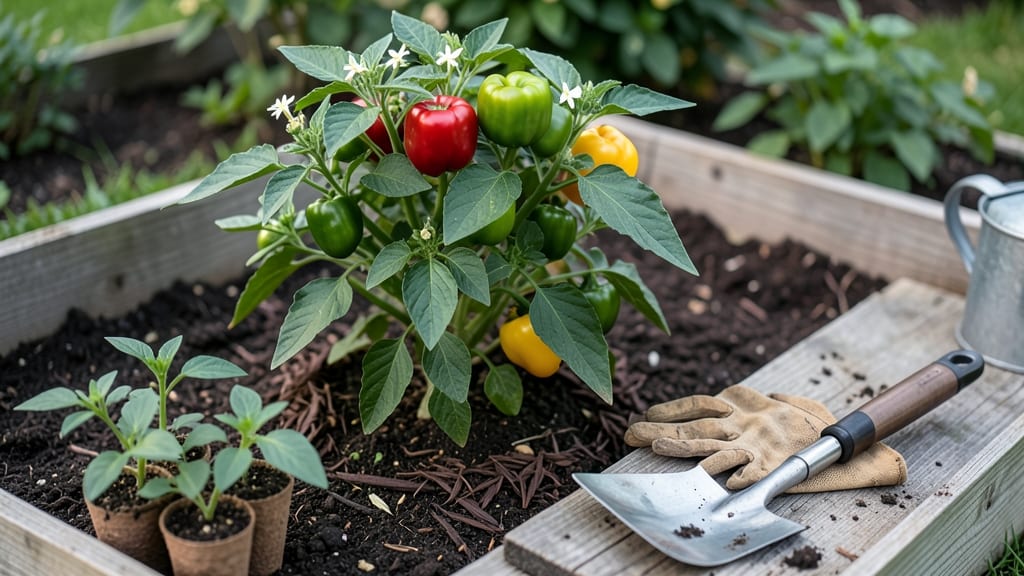
If you’ve ever wondered when to plant bell peppers in South Florida, the answer lies in timing—because your 🌶️ bell peppers either thrive or wilt depending on when you put them in the ground.
Unlike northern gardens, South Florida’s frost-free 10a-11 zones let you grow bell peppers year-round—but planting at the wrong time means stunted plants, pest invasions, or wasted effort.
Here’s the truth: The best windows for planting aren’t just about months—they’re about microclimates. Coastal areas like Miami thrive with early starts, while inland zones like Naples need heat-tolerant varieties to avoid fruit drop.
I’ll break down the exact months to plant for maximum harvests, from late winter’s ideal soil temps to summer’s shade-cloth hacks.
You’ll also discover how humidity and pests shift with each season—and how to outsmart them. Whether you’re a first-time gardener or a seasoned grower, these insights will help you avoid common pitfalls and enjoy year-round peppers without the guesswork.
Let’s dive into the perfect planting schedule for your South Florida garden, so you can enjoy fresh, homegrown bell peppers from January through December.
Optimal bell pepper planting windows in South Florida’s microclimates
South Florida’s unique microclimates—from Miami’s coastal warmth to Naples’ inland heat—create perfect conditions for growing bell peppers year-round. Unlike northern climates, you won’t face frost, but humidity, soil temperatures, and seasonal pests still dictate the best planting windows. Timing your transplants right ensures robust plants and abundant harvests.
With USDA Zones 10a-11, bell peppers thrive in South Florida, but each region has distinct conditions. Miami’s coastal breezes moderate temperatures, while Fort Lauderdale’s inland areas can hit 95°F+ in summer. Naples, further south, enjoys milder winters but faces higher humidity year-round, which can stress plants if not managed.
Here’s your region-specific planting guide, including frost-free start dates, ideal soil temperatures, and transplant timing to maximize yields. Whether you’re growing ‘Carolina Wonder’ or ‘Jupiter’, these windows ensure your peppers mature before pests or heat take over.
| Region | Best Planting Window | Soil Temp for Germination | Transplant Timing | Key Challenges |
|---|---|---|---|---|
| Miami | Jan–Feb, Aug–Sept | 65–75°F | After last frost (none) but before 90°F+ heat | Salt spray, fungal diseases |
| Fort Lauderdale | Dec–Jan, July–Aug | 68–72°F | Avoid peak summer heat (May–Sept) | Blossom-end rot, aphids |
| Naples | Feb–March, Sept–Oct | 70–75°F | Transplant when soil warms to 70°F+ | Higher humidity, spider mites |
For Miami gardeners, the Jan–Feb window is ideal because soil temperatures hover around 70°F, perfect for germination. Avoid planting in late spring when temperatures exceed 90°F, as this causes fruit drop and stunted growth.
Coastal salt spray can also damage young seedlings, so use drip irrigation to keep foliage dry.
In Fort Lauderdale, where summers are intense, focus on December–January or July–August plantings. July starts bring relief from the worst heat, and peppers transplanted in August often produce fall harvests before pests like aphids peak. Always choose heat-tolerant varieties like ‘Jupiter’ for summer success.
Naples’ warmer winters allow for earlier plantings in February–March, but the higher humidity demands extra vigilance against fungal diseases. Use mulch to retain moisture and spaced rows to improve airflow. For a second crop, transplant in September–October to avoid the 95°F+ heat of midsummer.
Regardless of location, soil temperature is critical. Use a soil thermometer to confirm 65°F+ before planting. Cold soil slows germination and weakens seedlings. If your soil runs cooler, consider black plastic mulch to warm it faster—this is especially helpful in Naples’ inland areas during early spring.
Pests like aphids and whiteflies thrive in South Florida’s heat and humidity. To prevent outbreaks, rotate crops annually and introduce companion plants like marigolds or basil. Neem oil sprays can also deter pests without harming beneficial insects. Monitor plants closely during summer months, when pest pressure peaks.
Pro tip: Succession planting every 2–3 weeks ensures a continuous harvest. For example, start a new batch in January, then again in August to stagger your crop. This strategy works especially well in Miami and Fort Lauderdale, where microclimates allow for multiple growing seasons.
With these region-specific windows and proactive pest management, you’ll enjoy bell peppers year-round—from sweet green varieties in spring to vibrant red and yellow peppers in fall. Happy planting! 🌶️🌿
How South Florida’s heat and humidity affect bell pepper growth
South Florida’s year-round warmth and high humidity create a double-edged sword for bell peppers. While the heat extends growing seasons, it also stresses plants beyond their optimal temperature range of 70-85°F. Without proper management, you’ll face blossom-end rot, fungal diseases, or stunted fruit development.
The key is choosing the right heat-tolerant varieties and adjusting care techniques to match the climate’s extremes.
Humidity levels above 70% (common year-round in South Florida) create ideal conditions for powdery mildew and bacterial spot. These diseases thrive in stagnant, moist air, often turning pepper leaves yellow or covered in white powder.
Meanwhile, temperatures consistently above 90°F cause flower drop, where peppers abort before maturing. The solution? Strategic planting, airflow optimization, and variety selection tailored to your microclimate.
⚠️ Critical Heat Thresholds for Bell Peppers
Planting bell peppers when daytime temps exceed 95°F for extended periods causes flower abortion and poor fruit set. Coastal areas like Miami (Zone 10B) handle heat better than inland zones like Naples (Zone 11), where afternoon shade becomes essential. Avoid planting from June to August unless using heat-tolerant varieties like 'Jupiter' or 'Carolina Wonder'.
For humidity management, prioritize air circulation—space plants 18-24 inches apart and use fan placement near rows to reduce fungal spores. Drip irrigation (applied at soil level) keeps foliage dry, cutting down on bacterial spot risks.
Mulching with straw or pine needles also helps by maintaining even soil moisture and preventing water from splashing onto leaves during storms.
Variety selection is non-negotiable in South Florida. 'Carolina Wonder' thrives in cooler coastal zones (like Miami) with its moderate heat tolerance, while 'Jupiter' handles inland heat spikes (Naples) better due to its thicker waxy skin.
For year-round production, try 'Aristotle'—a hybrid bred for humidity resistance and long fruiting windows. Always check seed packets for days to maturity and adjust planting times accordingly.
Blossom-end rot, a calcium deficiency triggered by fluctuating soil moisture, is rampant in South Florida’s summer downpours. Prevent it by amending soil with gypsum (calcium sulfate) before planting and maintaining consistent watering.
Apply Epsom salt (magnesium sulfate) every 4 weeks to support cell walls. If you spot dark, sunken lesions on pepper bottoms, act fast—remove affected fruit and improve drainage immediately.
Monitor your garden’s microclimate closely. Coastal areas benefit from sea breezes that lower humidity, while inland zones may need shade cloth (30-50%) during peak afternoons. Group peppers with companion plants like basil or marigolds to deter pests and improve airflow.
With these adjustments, you can harvest peppers year-round—even in South Florida’s most challenging months.