
Plants
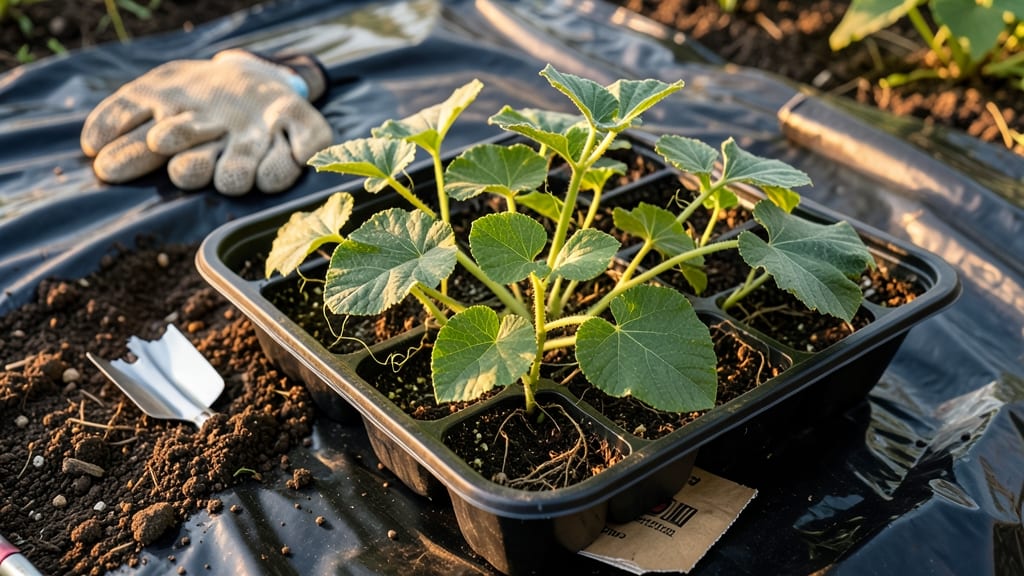
Planting cantaloupe in North Texas at the wrong time can mean the difference between a bountiful harvest and a wasted season—especially when those late-spring frosts or scorching summer heat can ruin your crop in days.
If you've ever watched your 🍉 vines struggle or wither before producing fruit, you know how critical timing is. The key to success lies in understanding your county's frost-free dates and adjusting your planting schedule to match North Texas's unique USDA Zone 8a climate.
I'll walk you through the exact planting windows—from mid-March to late April—that give your cantaloupe the best shot at thriving. You'll also discover how to prepare your soil, space your plants, and care for them through the heat to ensure a sweet, ripe harvest from June to August.
Whether you're a first-time gardener or a seasoned grower, these strategies will help you avoid common mistakes and maximize your yield—so you can enjoy homegrown cantaloupe at its peak.
North Texas frost-free dates by county: best planting windows for cantaloupe
North Texas gardeners know timing is everything—plant cantaloupe too early, and frost will wipe out your crop; too late, and the brutal summer heat arrives before harvest. The last frost dates vary by county and microclimate, making precise planning essential for cantaloupe success.
In USDA Zone 8a/b, most counties experience their final frost between mid-March and early April, but urban areas like Dallas can run 5-7 days later than rural spots.
For extended harvests, I recommend planting both early-maturing varieties (like ‘Athena’ (60 days)) and late-season types (like ‘Hale’s Best’ (85 days)). This strategy lets you stagger plantings and enjoy melons from June through August.
The key is understanding your local frost-free window—not just the average date, but how microclimates (like urban heat islands or hilltops) shift those timelines.
Here’s your county-by-county planting guide, including optimal transplant dates and harvest windows tailored to North Texas’ Zone 8a/b conditions. Use this to align your planting with soil warmth (70°F+) and pollinator activity for the best fruit set.
In Dallas County, where urban heat can delay frost, I’ve seen gardeners push transplanting to April 15 for late varieties like ‘Hale’s Best’—but only if you’re using black plastic mulch to warm the soil.
For Tarrant County, the earlier frost means you can start early varieties in late March under row covers if you’re eager for an early harvest. Just remember: cantaloupes won’t tolerate cold soil, so always wait until soil temps hit 70°F.
For Collin and Denton Counties, the staggered planting approach works best. Plant early varieties first (March 30–April 5) and follow up with late varieties 2–3 weeks later to extend your harvest. This is especially useful if you want to
How to extend your cantaloupe season in North Texas heat zones
North Texas summers hit 100°F+ with regularity, and cantaloupe vines struggle when temperatures climb past 90°F. The key to success? Beat the heat before it shuts down flowering and fruit set.
I’ve learned that soil prep, shade strategies, and companion plants can push your harvest window by 3-4 weeks. Let’s dive into the tactics that work in my Zone 8a garden.
First, focus on soil warming—cantaloupes need 70°F+ soil temps to thrive. I use black plastic mulch laid 2-3 weeks before planting to raise ground temperatures by 5-10°F. For raised beds, I add composted manure mixed into the top 6 inches to retain heat longer.
These tricks help vines establish roots faster, so they’re less stressed when June heat arrives.
🌱Here’s my step-by-step heat-beating plan:
- 🌡️ Warm soil first: Test soil temps with a thermometer—plant only when it hits 70°F+ for 3+ days. Use black plastic mulch or straw bales to accelerate warming.
- ☀️ Shade cloth timing: Install 30% shade cloth over vines when temps exceed 95°F. Remove it by late afternoon to allow sunlight for photosynthesis.
- 🌿 Companion plants: Interplant with bush beans or radishes to improve soil nitrogen and attract pollinators. Avoid cucumbers—they compete for resources.
- 💧 Water smarter: Use drip irrigation in the early morning (6–8 AM) to keep leaves dry. Mulch with straw to retain moisture and block weeds.
- 🍉 Heat-tolerant varieties: Choose ‘Athena’ or ‘Hale’s Best’—both handle 95°F+ better than standard types. Avoid ‘Ambrosia’ for late-season planting.
Mulching is non-negotiable in North Texas. I swear by straw mulch (not hay—it’s weed-seed free) spread 3–4 inches thick around vines. This keeps roots 10°F cooler and reduces water evaporation by 50%.
Pro tip: Refresh the mulch layer every 4–6 weeks to maintain its insulating power. Without it, your cantaloupes will bolt to seed before ripening.
Don’t underestimate the power of companion planting. I pair cantaloupes with marigolds to repel pests like cucumber beetles and nasturtiums to attract beneficial insects. A row of basil nearby also improves flavor and deters aphids.
Just avoid planting near potatoes or tomatoes, which compete for nutrients and attract the same pests.
Finally, monitor your vines for heat stress signs: yellowing leaves, curled edges, or flowers dropping without setting fruit. If you see these, prune lower leaves to improve airflow and temporarily increase shade to 40%.
With these adjustments, I’ve extended my harvest from July to early September—just in time to beat the worst of the heat.
☀️Remember: Cantaloupes need consistent care, not just heat tricks. Combine these strategies with regular pruning (remove suckers to focus energy on fruit) and even watering, and you’ll turn North Texas’ brutal summers into your cantaloupe’s sweetest advantage.