
Plants
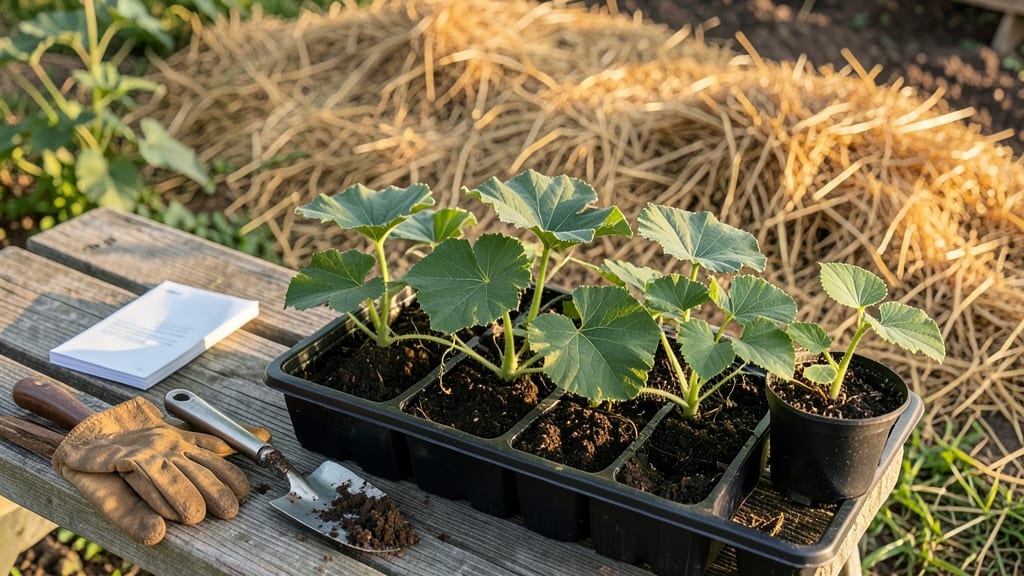
Planting cantaloupe at the wrong time in Zone 9b can turn your sweet dreams into bitter disappointment—especially when summer heat arrives faster than expected.
Unlike cooler climates, this region’s 365 frost-free days mean you’ve got just a narrow window to get those vines off to the right start, or risk stunted growth and poor yields.
I’ve learned the hard way that timing isn’t just about the calendar—it’s about the soil. Cantaloupe 🍉 needs warmth to thrive, and waiting until the ground hits at least 70°F makes all the difference between a thriving patch and a sad, wilted disappointment.
But here’s the kicker: even in Zone 9b, microclimates can shift your ideal planting window by weeks.
In this guide, I’ll walk you through the exact late winter to early spring window (February–March) that works best for Phoenix and Southern California deserts, plus how to tweak your approach based on whether you’re dealing with urban heat islands or coastal breezes.
Spoiler: the key isn’t just when you plant—it’s how you prep the soil and protect those young plants from the relentless sun.
Ready to turn your cantaloupe patch into a sweet, sun-drenched success? Let’s break down the steps so you can avoid common mistakes and enjoy that first ripe fruit by May or June—just in time for summer snacking.

Optimal planting windows for cantaloupe in Zone 9B: avoiding heat stress
Cantaloupe thrives in Zone 9B's warm climate, but timing is everything. Planting too early risks cool soil stress, while late planting exposes vines to intense summer heat. The sweet spot? Late winter to early spring when soil warms to 70°F+—but with local microclimates, adjustments are key.
In Zone 9B, February through March offers the best balance. Coastal areas like San Diego may start slightly earlier (late January), while inland deserts like Phoenix should wait until mid-March to avoid heat stress during fruit development.
Here’s your Zone 9B planting guide with soil temperature thresholds and heat tolerance limits:
| Planting Window | Soil Temp Threshold | Heat Tolerance Limit | Best Varieties |
|---|---|---|---|
| Late Winter (Feb) | 65°F+ (coastal) | Up to 90°F (short-term) | ‘Athena’ (early maturing) |
| Early Spring (Mar) | 70°F+ (inland) | 95°F (with shade) | ‘Hale’s Best’ (heat-tolerant) |
| Fall (Oct-Nov) | 68°F+ (cooler nights) | 85°F (avoid late heat) | ‘Sugar Bush’ (disease-resistant) |
For spring planting, aim for March 1–15 in most of Zone 9B. Use a soil thermometer to confirm 70°F+—cantaloupe roots struggle below this. If your soil warms slower (common in coastal fog belts), opt for transplants instead of seeds.
Fall planting is risky but possible in cooler microclimates. Start seeds in October for a November harvest before temperatures dip below 60°F at night. Avoid planting after September 15—vines won’t mature before winter.
Heat stress shows as blossom-end rot or sun-scalded fruit. To prevent this, use 30% shade cloth during 100°F+ days and mulch with straw to keep roots cool. Drip irrigation at soil level also reduces stress.
Pro tip: Stagger plantings every 2 weeks for a continuous harvest. This works especially well in Zone 9B’s long growing season, giving you fruit from May through July without gaps.
Remember, cantaloupe vines need 3–6 feet of space to sprawl. In small gardens, use trellises or container growing with large pots (20+ gallons) for better air circulation and heat management.
By following these Zone 9B-specific windows, you’ll avoid the two biggest pitfalls: cool soil shock and heat-induced fruit failure. Happy planting—your first ripe cantaloupe will be worth the wait! 🍉
Microclimate adjustments: how local conditions extend your cantaloupe growing season
Zone 9B’s diverse microclimates—from desert heat to coastal breezes—can dramatically impact your cantaloupe’s success. Urban gardeners in cities like Phoenix face intense afternoon heat, while coastal growers in Southern California contend with morning fog and afternoon sun.
Even inland desert regions experience temperature swings of 30°F+ between day and night. These variations mean a one-size-fits-all approach won’t work—adjustments are key to avoiding heat stress and maximizing your harvest.
Your cantaloupe’s ability to thrive depends on three critical factors: shade management, soil moisture retention, and timing of watering. Shade cloth (30-50% coverage) can protect young plants from scorching midday sun, while mulching with straw or wood chips keeps roots cool and conserves water.
Even the time of day you water matters—morning irrigation prevents fungal diseases that thrive in damp evening air. Let’s break down how to tailor these strategies to your specific microclimate for a longer, healthier growing season.
- 1. Urban Heat Islands: Use white shade cloth (50%) over vines during 11 AM–3 PM to block 100°F+ temperatures. Pair with drip irrigation to avoid wetting leaves.
- 2. Coastal Fog Zones: Plant 1–2 weeks earlier than inland areas. Use black plastic mulch to warm soil faster in morning fog conditions.
- 3. Desert Oases: Water deeply every 2 days at dawn to combat evaporative loss. Add 3 inches of mulch to retain moisture.
- 4. Valley Bottoms: Avoid planting near low-lying areas where cold air pools. Opt for raised beds with gravel drainage to prevent waterlogging.
- 5. Windy Coastal Gardens: Use trellises or cages to support vines and reduce windburn. Water shallowly but frequently to prevent root exposure.
For urban gardeners, the biggest challenge is heat reflection from buildings and pavement, which can raise soil temperatures by 10–15°F. Installing reflective mulch (like aluminum foil sheets) under plants can deflect excess heat while keeping roots cooler.
Pair this with drip irrigation set to run for 20–30 minutes daily—this mimics natural rainfall and encourages deeper root growth, which is crucial for cantaloupes that spread 3–6 feet per vine.
Coastal gardeners often struggle with soil salinity from ocean spray, which can stunt plant growth. To counteract this, amend soil with compost before planting and use rainwater or filtered water for irrigation.
If your garden sits in a low-lying area prone to morning fog, consider planting on a north-facing slope to maximize sunlight exposure once the fog burns off by mid-morning.
In inland desert regions, the key is water efficiency. Instead of watering daily, switch to a deep watering schedule every 48–72 hours, depending on temperature. Use a moisture meter to check soil depth—cantaloupe roots need to stay moist 6–12 inches down.
Pair this with organic mulch (like straw) to reduce evaporation by up to 70%, saving water and keeping roots cool.
Regardless of your microclimate, monitor your cantaloupe’s stress signals: wilting leaves, yellowing vines, or blossoms that drop without setting fruit. These are clear signs of heat or water stress.
Adjust your shade cloth coverage or watering frequency immediately—cantaloupes are sensitive to temperature swings and can abort fruit development if conditions become too extreme. With these microclimate tweaks, you’ll extend your growing season by 4–6 weeks and enjoy sweeter, larger fruit.