
Plants
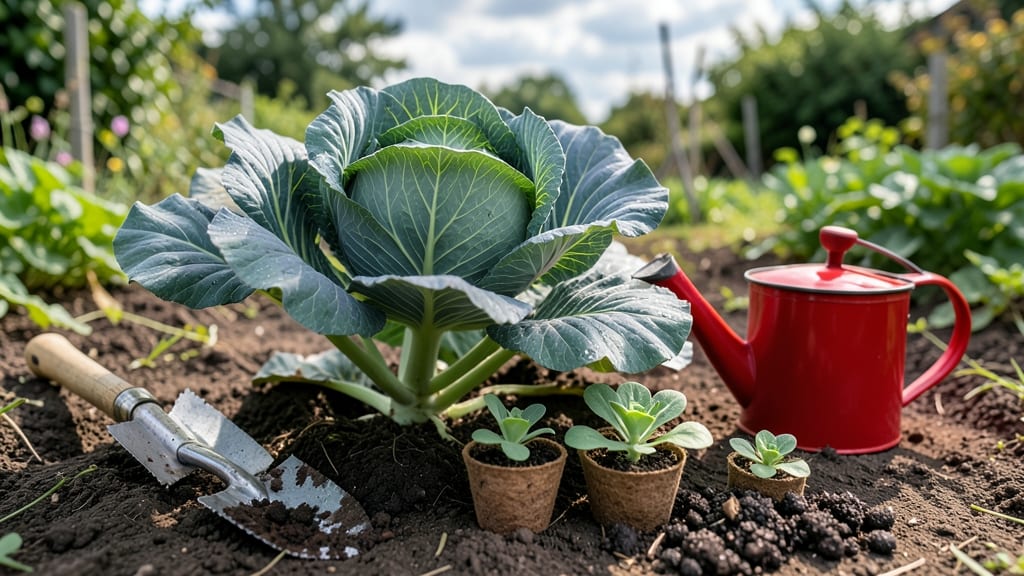
Zone 8B cabbage planting calendar: avoid bolting with these exact months
In Zone 8B, cabbage thrives when planted at precise times to avoid bolting—the dreaded premature flowering. The key is balancing temperature thresholds (ideal: 60–75°F) with seasonal shifts. Miss the window, and your plants will send up bitter flower stalks instead of forming heads.
Here’s my exact month-by-month schedule for both fall and spring planting, including seed-starting and transplant deadlines.
For fall cabbage, the sweet spot is August through September, when daytime highs dip below 85°F. This gives plants 60–70 days to mature before winter slows growth. Spring planting, meanwhile, requires February–March starts to avoid heat stress.
I’ll break down the critical transplant windows and how to adjust for Zone 8B’s microclimates—whether you’re in a coastal breeze or inland heat pocket.
📅 Pro Tip: Use shade cloth (30–50%) if transplanting in late spring when temps climb above 80°F. This buys you 2–3 extra weeks before bolting risks spike.
For direct sowing (skipping seedlings), plant seeds 4–6 weeks before your target transplant date. For example, if you’re aiming for a September 15 transplant, start seeds August 1–15. Use biodegradable pots to avoid transplant shock—my go-to is peat pots filled with seedling mix.
Zone 8B’s heat tolerance threshold for cabbage is 85°F. Exceed this for more than 2–3 days, and your plants will bolt. In inland areas (e.g., Phoenix), I recommend shade cloth or drip irrigation to keep soil temps stable.
Coastal gardeners, meanwhile, can push late fall plantings into October thanks to cooler ocean breezes.
My top variety picks for Zone 8B are ‘Golden Acre’ (fast-maturing, heat-tolerant) and ‘Red Express’ (compact, bolting-resistant). Both handle Zone 8B’s temperature swings better than standard varieties. For seedlings, buy 6–8 week old transplants from a nursery—younger plants struggle to establish roots before heat sets in.
After transplanting, mulch heavily with straw or grass clippings to retain moisture and cool roots. I also side-dress with compost 3 weeks post-transplant to boost growth without triggering bolting. Avoid nitrogen-heavy fertilizers—they promote leafy growth at the expense of head formation.
Monitor your plants for bolting signs: elongated stems, yellowing leaves, or flower stalks. If caught early, harvest immediately or shade the plant to slow growth. For fall crops, expect harvests from October through December, while spring plantings yield from April to June.
With this schedule, you’ll avoid bolting and enjoy crisp, sweet cabbage heads
How to adjust planting for zone 8B’s microclimates (and still get perfect heads)
Zone 8B’s microclimates can turn a perfect cabbage harvest into a gamble. Coastal areas stay milder, inland valleys heat up faster, and urban heat islands create high-heat pockets that trigger bolting. The key? Adjusting your planting strategy based on your specific location while choosing the right cabbage varieties for resilience.
For coastal Zone 8B gardeners, cooler ocean breezes let you plant ‘Golden Acre’ cabbage as early as late February for spring harvests. Inland valleys, however, need a 2-3 week delay to avoid heat stress—aim for early March instead.
High-heat pockets? Use shade cloth or opt for heat-tolerant ‘Red Express’ varieties.
Zone 8B Microclimate Adjustments
| Microclimate | Planting Adjustment | Best Variety |
|---|---|---|
| Coastal Areas | Plant 2-3 weeks earlier (late Feb) | ‘Golden Acre’ (early maturing) |
| Inland Valleys | Delay until early March for spring | ‘Red Express’ (heat-resistant) |
| Urban Heat Islands | Use 30% shade cloth or plant in late March | ‘Early Jersey Wakefield’ (compact) |
⚠️ Pro Tip: Mulch with straw or wood chips to regulate soil temps by 5-10°F—critical for preventing bolting in hot pockets.
Mulching isn’t just about moisture—it’s a temperature regulator. Apply 3-4 inches of straw mulch right after transplanting to keep roots cool. For extreme heat (above 90°F), add a lightweight shade cloth (30-40%) during peak afternoon sun.
This simple trick can extend your growing window by 2-3 weeks without risking bolting.
Variety selection makes all the difference. ‘Golden Acre’ matures in just 60 days, perfect for coastal areas where you can start early. ‘Red Express’, however, tolerates higher heat and is ideal for inland valleys.
For urban gardens, choose ‘Early Jersey Wakefield’—its compact size thrives in containers and handles heat better than standard varieties.
Don’t forget about succession planting! In Zone 8B, you can squeeze in two full harvests: one in spring (plant Feb-Mar) and another in fall (plant Aug-Sept). For fall crops, focus on heat-tolerant varieties like ‘Cavalo’ and use drip irrigation to keep soil evenly moist as temps drop.
Even with adjustments, watch for early bolting signs like elongated stems or flower stalks. If you spot them, harvest immediately or use chlorprofam (a bolting inhibitor) to salvage partially developed heads. With these microclimate tweaks, you’ll go from risky guesswork to reliable harvests every season.