
Plants
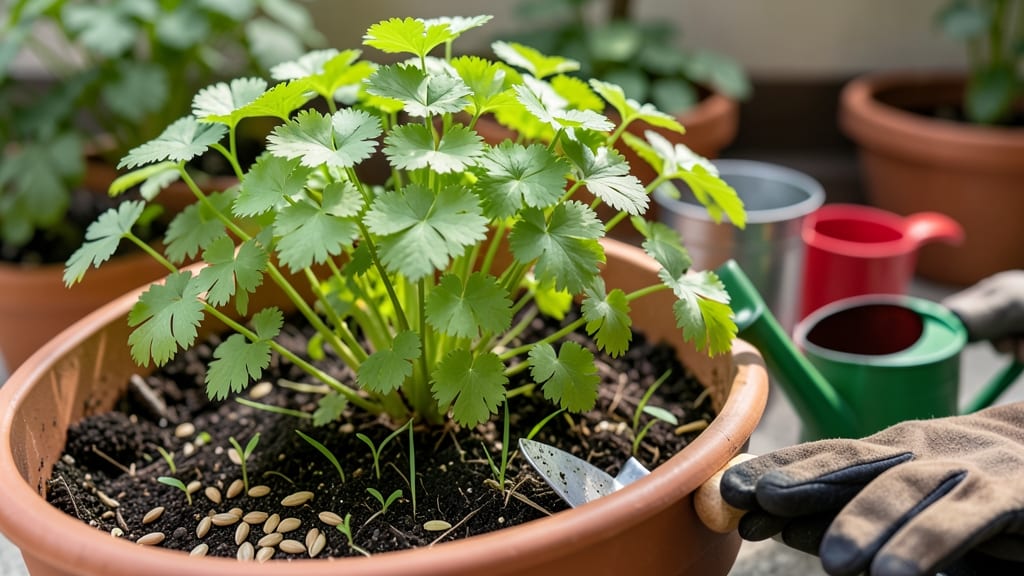
Whether you're in the Willamette Valley's milder microclimate or the high desert's cooler nights, cilantro thrives when planted between March and April for spring harvests or August and September for fall.
The key? Avoiding those 70°F+ days that trigger bolting—your cilantro 🌿 will thank you with tender leaves instead of flower stalks.
I’ve tested these exact windows in my own garden, and the difference between a 30-day harvest and a 60-day struggle comes down to just a few weeks of perfect timing. Ready to unlock the secret to continuous cilantro success? Let’s dive into the best months for your Oregon zone.
You’ll also discover how to stretch your growing season with shade tricks and heat-resistant varieties—because in Oregon, where last frost can swing wildly, preparation is your best tool for a garden full of flavor.
Oregon’s ideal cilantro planting calendar by microclimate
Oregon’s diverse climates—from cool coastal regions to hot inland valleys—demand precise timing for cilantro success. Plant too early, and frost threatens tender seedlings. Too late, and bolting turns your herb into a bitter, flowering mess.
The key? Align your schedule with Oregon’s three distinct microclimates: coastal, Willamette Valley, and high-desert.
Cilantro thrives in cool weather (50–75°F) but bolts when temperatures climb above 75°F. Oregon’s USDA zones 7b–9a mean your planting window shifts dramatically between regions. Coastal areas can start earlier, while high-desert zones must rush to beat summer heat.
Let’s break it down by month and microclimate to ensure bold flavor and zero bolting.
For coastal Oregon, cilantro’s sweet spot is February through April and again in August–September. The milder temperatures here delay bolting, giving you a 6–8 week harvest window. Start seeds indoors in late January for coastal gardens to get a jump on the season.
If you plant in May or June, expect bolting within weeks—cilantro’s heat sensitivity is non-negotiable.
In the Willamette Valley, where summers hit 90°F+, cilantro demands urgency. Plant seeds March 1–April 15 for a spring harvest, then rush a late August sowing to beat the heat.
Use shade cloth (30–50%) if planting in June or July—even partial shade can buy you 2–3 extra weeks of usable leaves. The valley’s humidity also means watch for fungal diseases; space plants 6–8 inches apart for airflow.
High-desert regions like Bend and La Pine have the shortest window: April–May and a late August dash. Soil warms quickly here, so mulch heavily with straw to keep roots cool. Desert cilantro also needs more frequent watering—dry air accelerates bolting.
If you miss the spring window, don’t bother planting after June 15; the heat will turn your cilantro into corriander seeds faster than you can say “guacamole.”
Pro tip: Succession planting is your best friend in Oregon. Sow new seeds every 2–3 weeks from March through September to ensure a continuous harvest. For example, plant March 1, March 15, April 1, and August 15—this staggered approach guarantees fresh cilantro even when one batch bolts.
Pair this with bolt-resistant varieties like ‘Calypso’ or ‘Santo’ for extra insurance against Oregon’s unpredictable heat spikes.
Watch for first frost dates: coastal areas can extend harvests until November 15, while inland zones may see frost by October 1. If frost threatens, harvest leaves aggressively and move pots indoors for winter microgreens.
Cilantro’s regrowth is slower in cold weather, but with proper care, you can squeeze one last harvest before winter sets in.
Soil prep matters too. Oregon’s acidic soils (pH 5.0–6.5) can make cilantro bitter. Amend beds with compost and lime to raise pH to 6.2–6.8. A well-draining spot with partial shade (morning sun, afternoon shade) is ideal. Avoid planting where tomatoes or other nightshades grew recently—they share pests and diseases.
Remember: Cilantro’s flavor peaks when young. Harvest leaves by pinching outer stems
How to extend cilantro’s growing season in Oregon’s heat
Oregon’s summer heat can send cilantro bolting faster than you can say "salsa night." But with the right strategies, you can keep your cilantro thriving long after spring’s last frost.
The key lies in shade management, succession planting, and choosing heat-tolerant varieties that won’t turn bitter or flower prematurely. Let’s dive into proven methods to stretch your cilantro harvest well into Oregon’s warmer months.
First, understand that cilantro hates consistent heat—temperatures above 75°F (24°C) trigger bolting within weeks. In Oregon’s inland valleys like Bend or Salem, where summer temps often exceed this threshold, traditional spring plantings may only last 4-6 weeks before the plant sends up flowers.
Coastal areas like Astoria or Newport fare slightly better due to cooler maritime air, but even there, July and August can push cilantro to bolt.
🌿 5 Proven Strategies to Beat the Heat
- 🌳 1. Plant in dappled shade using 50% shade cloth or fast-growing trees (e.g., silver maple) to filter afternoon sun.
- 🌱 2. Succession plant every 2-3 weeks from June through August for continuous harvests.
- 💧 3. Mulch heavily with 2-3 inches of straw to keep roots cool and retain moisture.
- 🌿 4. Choose bolt-resistant varieties like ‘Calypso’ or ‘Santo’, bred to tolerate higher temps.
- ✂️ 5. Harvest aggressively—cut leaves before flowering to encourage bushier regrowth.
For shade strategies, focus on afternoon shade, which is the most critical. Cilantro can handle morning sun (6 AM–12 PM) but wilts under intense afternoon rays (1 PM–6 PM). If you don’t have established trees, use removable shade cloth (30–50% blockage) over your cilantro beds.
In containers, move pots to shadier spots during peak heat—even a porch or patio under a pergola can work.
Succession planting is your secret weapon. Instead of one big planting in spring, sow small batches every 2-3 weeks from June through early August. This ensures you always have young, tender cilantro that hasn’t yet encountered prolonged heat.
For example, plant 10 seeds every week in a 4-inch pot or directly in garden beds. Rotate planting locations to avoid soil depletion and pest buildup.
Don’t overlook the power of mulching. A thick layer of straw or wood chips (2–3 inches) acts like an insulator, keeping soil temps 5–10°F cooler than ambient air. This is especially critical in high-desert areas like Bend, where soil can bake to 90°F+ by early afternoon.
Pair mulch with drip irrigation to deliver water directly to roots without wetting leaves (which invites fungal diseases like cilantro rust).
When selecting varieties, prioritize bolt-resistant types designed for warmer climates. ‘Calypso’ and ‘Santo’ are top picks—they stay leafy longer and resist flowering even when temps flirt with 80°F (27°C). Avoid traditional ‘Santo Domingo’ unless you’re planting in cooler coastal zones, as it bolts quickly in inland heat.
For extended harvests, mix varieties: plant ‘Calypso’ for heat tolerance and ‘Slow Bolt’ for flavor.
Finally, harvest like a pro. The moment cilantro starts flowering, its leaves turn bitter and lose their bright, citrusy flavor. Snip outer leaves regularly (every 5–7 days) to encourage new growth.
If your plant bolts, pull it immediately—it won’t recover, and its seeds will spread, leading to volunteer cilantro that’s even less heat-tolerant. With these tactics, you can enjoy fresh cilantro year-round, even in Oregon’s hottest summers.