
Plants
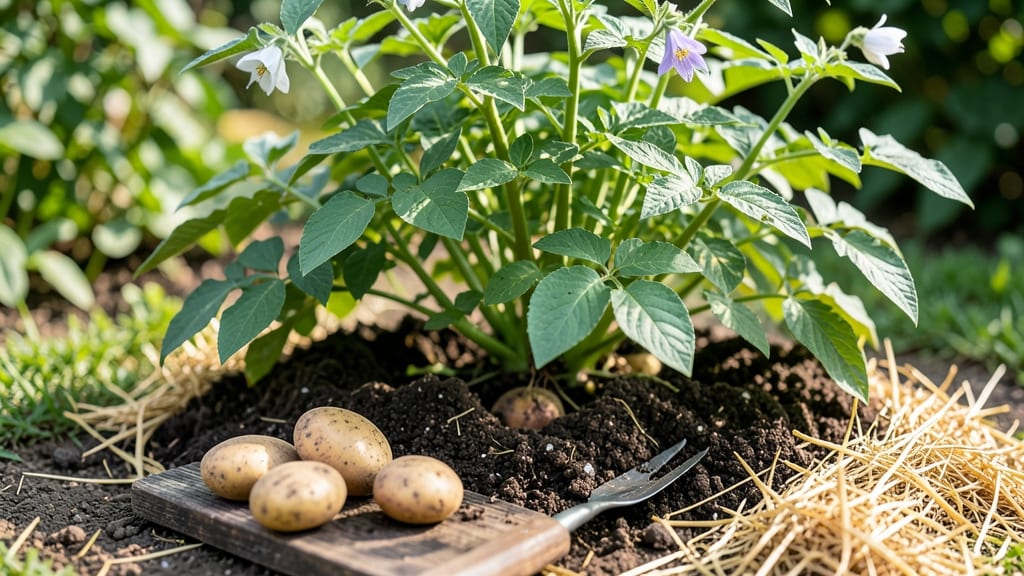
Planting potatoes in Australia at the wrong time can mean the difference between a thriving harvest and a frost-killed crop—especially when you're working against unpredictable weather patterns.
The key to success lies in understanding your region's frost risks and soil temperatures, which vary dramatically from the cooler highlands to tropical zones.
If you're in temperate areas like Tasmania or Victoria, timing is everything—late winter to early spring gives your potatoes the 180 frost-free days they need to mature. But in warmer regions like Queensland or the Northern Territory, you might even plant as late as May without worrying about frost.
The trick is knowing exactly when to put those seed potatoes in the ground for your specific climate zone.
I've grown potatoes across Australia's diverse regions, and what I'm about to share will help you avoid common mistakes that waste seeds and effort.
Whether you're planting early varieties for a spring harvest or late-season types for summer, we'll cover the exact months that work best in your area—and how to adjust for altitude and soil conditions.
Ready to dig in? Let's break down the perfect planting schedule by region, so you can enjoy homegrown potatoes all season long without the guesswork.
Best potato planting months by Australian region (frost-zone guide)
Timing your potato planting in Australia depends heavily on your region's frost risk and soil temperature. In cooler climates like Tasmania and Victoria, planting too early can mean frost damage before tubers mature, while tropical Queensland risks heat stress if planted too late.
The key is aligning your planting window with 10-15°C soil temps and frost-free forecasts.
Most Australian gardeners plant potatoes in late winter to early spring, but exact months vary by state. For example, Victoria's highland regions need earlier planting than coastal NSW to escape frost.
Even within one state, altitude matters—mountain areas like the Dandenongs or Blue Mountains may need 4-6 weeks earlier than lowlands.
Here's the critical comparison for Australia's major potato-growing regions, including frost risk timelines and soil prep adjustments:
For Tasmania and Victoria, I always plant my seed potatoes in late August to early September—just as the last frost warnings lift. The soil needs to be workable but not yet warm; stick your finger in about 10cm deep.
If it feels cold and damp, wait another week. In high-altitude areas like the Dandenong Ranges, I start 3-4 weeks earlier to beat the frost.
In NSW, Sydney's coastal areas follow a similar window to Victoria, but the Blue Mountains require planting by late July. I've learned this the hard way—planting too late in the mountains means frost-killed sprouts by September.
For Queensland, the key is planting during the cooler dry season (May-June) when soil temps are ideal but humidity is low, reducing disease risk.
Western Australia's Perth region has a shorter frost window than the east coast, so I aim for early August planting. The southwest highlands need even earlier planting—sometimes as early as July.
Always check the Bureau of Meteorology frost forecasts before planting in these regions. I use their 7-day frost risk maps to time my planting perfectly.
One critical mistake I see beginners make is planting based on air temperature rather than soil temperature. A warm day in June won't help if the soil is still below 10°C.
Use a soil thermometer—it's the only way to be sure. For high-altitude gardens, I also add black plastic mulch 2 weeks before planting to warm the soil faster.
If you're in a frost-prone area, consider planting early-maturing varieties like 'Rocket' or 'Nadine' 4-6 weeks earlier than the recommended window. These can tolerate cooler soils and still produce a harvest before frost arrives.
For tropical regions, opt for heat-tolerant varieties like 'Bonita' and plant during the dry season to avoid waterlogged soil.
Remember, potatoes need 100-120 days to mature, so time your planting to finish before the next frost wave. In Victoria, that means harvesting by late November; in Queensland, you can extend into December.
Always keep an eye on the weather forecast—a sudden cold snap can ruin weeks
How to adjust planting for early vs late varieties (and avoid common mistakes)
Choosing the right potato varieties and adjusting your planting schedule is key to avoiding wasted seeds and missed harvests in Australia. Early varieties like ‘Rocket’ mature in just 60-80 days, while late varieties such as ‘Kennebec’ take 100-120 days.
Planting at the wrong time can leave you with either underdeveloped tubers or frost-damaged foliage before harvest. The secret lies in matching your variety to your region’s last frost date and adjusting planting windows accordingly.
For example, in Victoria’s cooler zones, early varieties should go in the ground by late August to avoid frost, while late varieties can wait until early October. In Queensland’s subtropical climate, you can plant early varieties as late as October without frost risks.
The key is understanding how each variety’s maturity timeline aligns with your local growing season. Let’s break down how to get it right—and what mistakes to avoid.
- 📅 Step 1: Calculate Backwards from your first frost date. Subtract the maturity days of your chosen variety (e.g., 90 days for ‘Desiree’) from your last frost date to determine the ideal planting window.
- 🌱 Step 2: Stagger Plantings for continuous harvests. Plant early varieties first (e.g., ‘Sebago’ in September), then mid-season (e.g., ‘International Kid’ in October), and finally late varieties (e.g., ‘Maris Piper’ in November).
- ❄️ Step 3: Adjust for Altitude. In highland areas (e.g., Australian Alps), plant early varieties 2-3 weeks earlier than coastal regions to escape late-season frost.
One of the biggest mistakes I see is planting late varieties too early. When you plant ‘Kennebec’ in September in Tasmania, you risk having overgrown foliage before the tubers mature—wasting both time and seeds. Another common error is ignoring soil temperature.
Potatoes need soil at 10-15°C (50-59°F) to sprout; planting too early in cold soil delays germination and invites rot. Always check soil temps with a soil thermometer before planting.
Pro tip: Use row covers or black plastic mulch to warm soil faster in cooler climates. This lets you plant early varieties up to 2 weeks earlier without risking frost damage.
For late varieties, focus on frost-resistant types like ‘Red Pontiac’, which can tolerate light frosts better than others. Pairing the right variety with protective measures ensures you’ll have a harvest even if the weather turns unpredictable.
Finally, don’t overlook seed potato quality. Old or sprout-damaged tubers waste energy trying to heal, delaying your harvest. Always use certified disease-free seed potatoes and cut them 2 weeks before planting to let the cut surfaces heal.
This simple step can boost your yield by up to 30% by ensuring healthy, vigorous growth from day one.
By matching your variety choice to your planting window and avoiding these common pitfalls, you’ll transform your potato patch from a gamble into a reliable, high-yielding crop. Start with early varieties for a quick harvest, then follow up with mid and late-season types to extend your growing season—without the stress.