
Plants
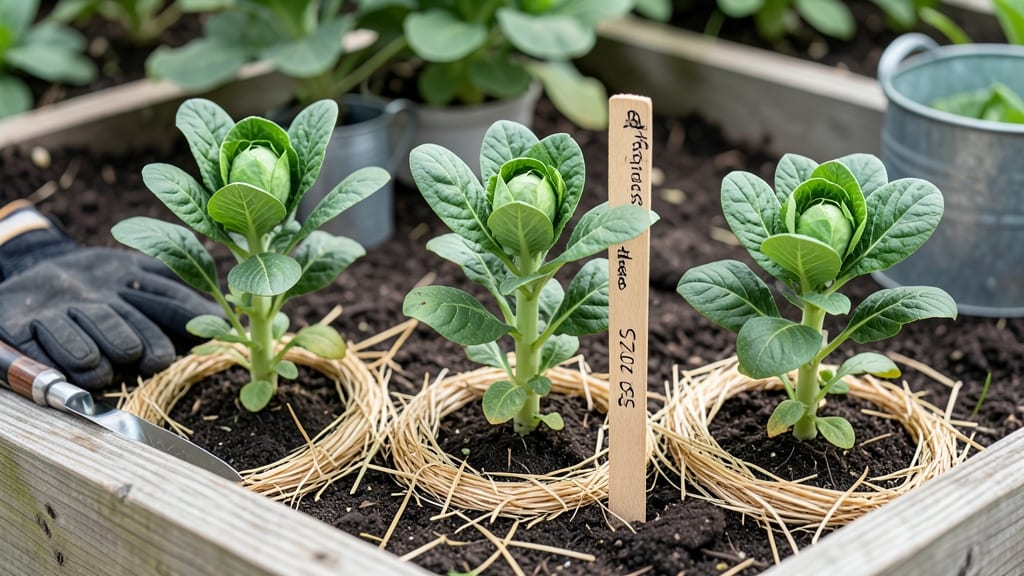
Planting Brussel sprouts 🥦 in Southern California isn’t just about timing—it’s about avoiding the dreaded "bolt" (when they flower prematurely and turn bitter). The key? Knowing whether you’re in coastal San Diego’s foggy chill or inland Riverside’s warmer valleys makes all the difference.
Most gardeners assume fall is the only window, but with our 9b-11 climate, you’ve got two chances: September-October for a winter harvest or February-March for a spring surprise. Skip the summer heat, though—those 90°F days will stress your seedlings before they even sprout.
Here’s the game-changer: coastal areas can plant 2 weeks earlier than inland spots, thanks to that ocean breeze. I’ll break down exactly how to sync your calendar with your microclimate—so you’re harvesting crisp, flavorful sprouts instead of wilted disappointment.
Ready to master the art? Let’s dive into the perfect planting schedule for zero-bolt, zero-stress Brussels—whether you’re in Malibu or Moreno Valley.
Southern California Brussel sprout planting calendar: coastal vs inland timing differences
Southern California’s diverse microclimates make Brussel sprouts a rewarding crop—but timing is everything. Coastal areas like San Diego and LA enjoy milder winters with rare frost, while inland valleys like San Fernando and Riverside experience cooler nights and occasional light frost.
Plant too early, and you risk bolting (bitter sprouts); too late, and growth stalls. Let’s break down the perfect planting windows for each zone.
For coastal regions, focus on September through November planting, when soil temps hover between 50-65°F. Inland areas can extend planting slightly later—October to December—thanks to cooler nighttime temps.
The key is avoiding summer heat, which stresses seedlings, and ensuring consistent moisture during establishment. Let’s dive into the month-by-month breakdown.
🌱 PRO TIP: Start seeds indoors 6-8 weeks before transplanting to give seedlings a head start. Coastal gardeners should aim for mid-September transplants, while inland gardeners can wait until early October.
In coastal areas, the September-October window is your best bet for fall-winter harvests. The ocean’s moderating effect keeps temps ideal, but watch for Santa Ana winds, which can dry out soil.
Inland, you’ve got a slightly longer window—October-December—thanks to cooler nights, but light frost (below 28°F) can damage young plants.
For spring planting, both zones can attempt February-March sowings, but success hinges on shade cloth and evening watering to combat summer heat stress.
Coastal gardeners may see better results with dwarf varieties like 'Jade Cross,' while inland gardeners can push the limits with Long Island Improved for larger yields.
💡 HARVEST TIMING: Fall-planted sprouts typically ready by December-January, while spring plantings yield in May-June. Always harvest before sprouts exceed 1.5 inches—they’ll turn bitter and woody if left too long.
One critical difference between zones? Coastal sprouts mature faster due to consistent moisture, while inland plants may need 10-14 extra days to reach harvest size. Adjust your planting schedule accordingly—coastal gardeners can push slightly later, while inland gardeners should prioritize early fall transplants for the best results.
🌿 SOIL PREP TIP: Amend beds with compost and aged manure before planting. Coastal soils often need more organic matter to retain moisture, while inland soils benefit from mulch to protect roots from
5 Critical factors that determine perfect Brussel sprout planting time in SoCal
Brussel sprouts love Southern California’s mild winters, but timing is everything. Plant too early, and you’ll get bitter bolts from heat stress. Too late, and your sprouts won’t mature before summer’s return.
The key lies in balancing soil temperatures, daylight hours, and microclimates—each zone has its own rhythm.
Coastal areas like Santa Barbara enjoy cooler nights and marine layer protection, while inland valleys face hotter days and Santa Ana winds. Even a few degrees difference can mean the gap between success and failure.
Let’s break down the 5 critical factors that’ll help you pinpoint the perfect planting window for your garden.
Brussel sprouts root best when soil stays between 50°F and 65°F. Use a soil thermometer to check before planting. Inland areas hit ideal temps in September-October, while coastal zones may wait until October-November.
Brussel sprouts need 12+ hours of daylight to thrive. Plant in fall (September-October) when days shorten naturally, or in winter (February-March) for a second crop. Avoid planting when days exceed 14 hours—this triggers bolting.
Brussel sprouts need 1–1.5 inches of water weekly, but inland areas dry faster than coastal zones. Mulch with straw or wood chips to retain moisture. Drip irrigation is ideal—avoid overhead watering to prevent fungal diseases.
Coastal gardens (e.g., Malibu, San Diego) stay cooler and foggier, delaying planting until late October. Inland valleys (e.g., Riverside, Lancaster) can plant as early as August but must protect seedlings from Santa Ana winds with windbreaks.
Most of SoCal is frost-free, but inland valleys (e.g., High Desert) can see light frosts. Plant ‘Jade Cross’ or ‘Long Island Improved’ varieties for cold tolerance. If frost threatens, use row covers to protect young plants.
Adjust your planting timeline based on your specific location. For example, gardeners in Los Angeles coastal areas should aim for mid-October plantings, while those in Riverside’s inland valleys can start as early as late August. Always monitor weather forecasts—unexpected heatwaves can derail even the best-laid plans.
Pro tip: Start seeds indoors 6–8 weeks before transplanting to give seedlings a head start. Use grow lights if natural light is limited, and harden off seedlings by gradually exposing them to outdoor conditions. This extra care pays off with bolt-resistant plants ready for cooler weather.
With these 5 critical factors in mind, you’ll avoid the common pitfalls of bitter sprouts or stunted growth. Test your soil, time your plantings, and embrace SoCal’s unique growing conditions—your harvest of crisp, flavorful brussel sprouts awaits! 🥦