
Plants
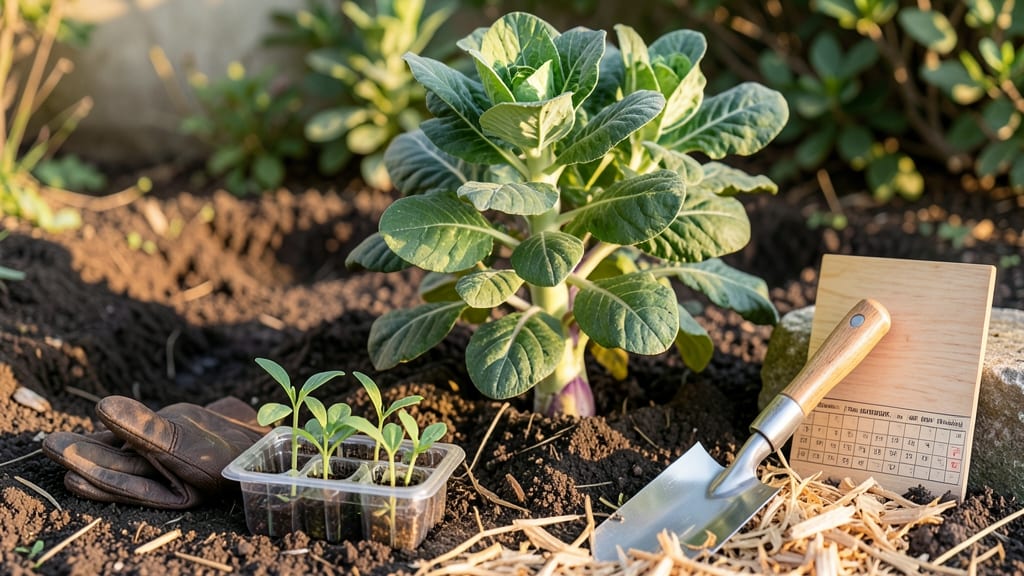
Planting Brussel sprouts 🥦 at the wrong time in Virginia can turn your garden into a sad, stunted disappointment—but get the timing right, and you’ll enjoy a harvest of sweet, crisp sprouts straight from your backyard.
Virginia’s 7a-8a climate gives you two perfect windows to plant: early spring or late summer, when cool weather helps these frost-loving veggies thrive. The key is avoiding heat stress and planting 4-6 weeks before the last frost (usually mid-April) or 90-100 days before the first frost (mid-November).
I’ve learned the hard way that rushing too early or waiting too late can ruin your harvest. Whether you’re starting seeds indoors or sowing directly in the garden, timing makes all the difference for healthy, flavorful sprouts.
Let’s break down the exact planting schedule and tips to ensure your Brussel sprouts grow strong and bountiful—no guesswork needed.
Best planting windows for brussel sprouts in Virginia’s climate zones
Virginia’s USDA zones 6b-7a create perfect conditions for growing brussel sprouts, but timing is critical. These cool-weather crops need frost exposure to develop sweet flavor, while also avoiding summer heat stress. The key lies in planting during two distinct windows: early spring and late summer.
For spring planting, aim for mid-March to early April—just as soil temperatures rise above 40°F (4°C). This gives plants 90-100 days to mature before winter frost. Meanwhile, fall planting (August to early September) ensures harvests through November and December, when temperatures drop.
Here’s your at-a-glance guide to Virginia’s best planting windows, including frost thresholds and soil temperature requirements:
| Planting Window | USDA Zone | Soil Temp (°F) | Frost Threshold | Method | Days to Harvest |
|---|---|---|---|---|---|
| Early Spring | 6b-7a | 40-50°F (4-10°C) | After last frost (mid-April) | Direct sow or transplant | 90-100 days |
| Late Summer | 6b-7a | 50-60°F (10-15°C) | Before first frost (mid-Nov) | Direct sow only | 80-90 days |
| Transplant Window | 6b-7a | 45-55°F (7-13°C) | 4-6 weeks before last frost | Transplant seedlings | 90-120 days |
When planting brussel sprouts in Virginia, direct sowing is ideal for both seasons. Start seeds indoors 4-6 weeks before the last frost date (around February) if transplanting, but direct sowing outdoors yields healthier plants.
For spring, plant seeds ¼ inch deep and space them 18-24 inches apart in rows 30 inches apart.
For fall planting, focus on late August to early September to ensure sprouts mature before first frost. Use row covers in late fall to extend harvests through December. Always choose well-draining soil with a pH of 6.0-7.0 and rich organic matter to support robust growth.
One common mistake is planting too early in spring, when soil is still cold. Wait until soil reaches at least 40°F (4°C)—use a soil thermometer to check.
For fall, avoid planting after September 15th unless you’re using frost protection, as sprouts need cool nights to develop flavor.
In Virginia’s Zone 7a, where winters are milder, you can push fall planting slightly later—up to early October—with row covers to protect against light frosts. However, Zone 6b gardeners should stick to August planting to ensure harvests before November’s first frost.
Pro tip: Succession planting every 2 weeks in spring and fall ensures a continuous harvest. For example, plant one batch in March and another in August, then follow with July and September batches for staggered maturity.
Remember, brussel sprouts need full sun (6+ hours daily) and consistent moisture. Mulch with straw or leaves to retain soil moisture and regulate temperature. With the right timing, you’ll enjoy homegrown sprouts from October through December—a true Virginia gardening victory! 🥦
How to extend your brussel sprout harvest season in Virginia
Virginia’s cool autumn temperatures are perfect for growing brussel sprouts, but a single late frost can end your harvest. The key to extending your season lies in strategic succession planting and protective measures.
By planning ahead, you can enjoy fresh sprouts from October through January, even in Virginia’s USDA zones 6b-8a. Start with two plantings—early spring and late summer—to stagger your harvest and maximize yield.
For a continuous harvest, space your plantings 3-4 weeks apart during both seasons. This ensures some plants are always in the optimal 60-70°F growing range while others mature. Pair this with frost protection like row covers or cloches to shield tender sprouts from unexpected freezing temperatures.
With these techniques, you’ll turn Virginia’s chilly growing season into your brussel sprout bonanza.
🌱 Proven Techniques to Extend Your Harvest
- Succession Planting: Sow seeds every 3 weeks from mid-March to early April and August to early September for staggered harvests.
- Frost Protection: Use floating row covers or cloches when nighttime temps drop below 30°F to prevent damage.
- Companion Planting: Surround brussel sprouts with onions, garlic, or thyme to deter cabbage worms and aphids.
- Soil Prep: Amend soil with compost and aged manure to ensure nutrient-rich conditions for extended growth.
- Watering Schedule: Maintain 1-2 inches of water weekly, focusing on deep, morning watering to prevent fungal diseases.
One of the biggest mistakes gardeners make is planting too late in summer, which can lead to bolting before the first frost. Aim to have your fall crops mature by late October, giving them time to develop flavor before winter sets in.
For spring plantings, start seeds indoors 6-8 weeks before the last frost (typically mid-March in Virginia) to ensure strong seedlings ready for transplanting.
When it comes to pest control, companion planting is your best friend. Basil, celery, and mint planted nearby can repel pests like cabbage moths and flea beetles. Additionally, handpick pests in the morning when they’re sluggish, and use neem oil as a last resort for severe infestations.
These organic methods keep your plants healthy and productive without harsh chemicals.
Don’t forget to harvest regularly to encourage more production. Start picking small, firm sprouts when they’re about 1 inch in diameter, working your way up the stalk. This stimulates new growth and prevents the plant from becoming woody or bitter.
With consistent care, a single plant can yield up to 10 pounds of delicious sprouts over several weeks.
By combining succession planting, frost protection, and smart companion planting, you’ll turn Virginia’s cool season into a brussel sprout powerhouse. Whether you’re a seasoned gardener or a beginner, these techniques will help you extend your harvest and enjoy homegrown flavor all winter long. Happy gardening! 🥦