
Plants
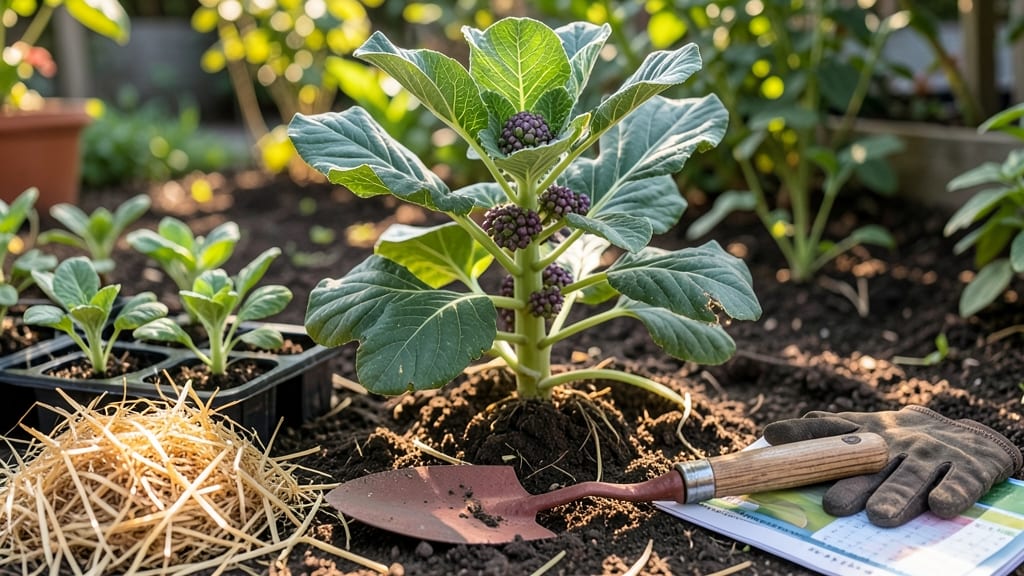
Planting Brussel sprouts 🥦 in Zone 8 might seem tricky—those long, hot summers can turn your garden into a no-go zone for these cool-weather lovers. But with the right timing, you can beat the heat and enjoy a harvest that rivals any grocery store find.
The key is planting them 8-10 weeks before your first frost, which in Zone 8 usually lands between August and September. This gives your Brussel sprouts enough time to mature before winter sets in, avoiding the bitter taste or bolting that comes from heat stress.
Whether you're starting from seeds or transplants, I’ll walk you through the exact steps to get your Brussel sprouts thriving—from prepping the soil to spacing them just right. No more guessing games, just a foolproof plan for a bountiful harvest.
Ready to grow Brussel sprouts that taste sweeter than anything you’ve ever tried? Let’s dive into the perfect planting schedule for your Zone 8 garden.

Zone 8 brussel sprout planting calendar: exact dates for fall and spring success
Brussel sprouts in Zone 8 demand precise timing to thrive—they love cool weather but bolt in summer heat. Your frost-free window is narrow, so planting too early or late risks bitter sprouts or no harvest at all.
Let’s break down the exact dates for fall and spring success, including how to adjust for early starts or late seasons.
In Zone 8, brussel sprouts grow best when planted 8-10 weeks before the first frost (typically mid-December). This means your ideal transplant window is late summer to early fall.
Spring planting is risky due to heat stress, but with shade and extra care, it’s possible. Let’s explore the exact dates and adjustments for your garden.
📅 Key Dates for Zone 8:
For fall planting, aim to transplant seedlings between August 15 and September 15. This gives them enough time to mature before the first frost (around December 15 in Zone 8).
If you miss this window, you can still try planting in early October, but expect a smaller harvest. The key is ensuring soil temperatures stay between 50-65°F—any hotter, and your plants may bolt prematurely.
Spring planting is trickier. If you attempt it, start transplants in March or early April and use shade cloth (30-50%) to protect them from heat. However, brussel sprouts grown in spring often struggle with bitter flavors due to heat stress.
For best results, stick to fall planting unless you’re willing to experiment with shade and extra care.
Adjust your planting dates based on your local last frost date. If your area tends to frost earlier (e.g., November 15), plant 6-8 weeks earlier.
Conversely, if frost comes late (e.g., January 1), you have a bit more flexibility. Use a frost calendar for your specific city to fine-tune your schedule.
To avoid bolting (premature flowering), never let soil temperatures rise above 70°F. If summer heat lingers, use row covers or plant in partial shade. Mulch with straw to keep roots cool and moist.
For direct sowing, plant seeds in late August or early September—they’ll grow slower but avoid early heat stress.
If you’re starting from seeds indoors, begin them 6-8 weeks before transplanting (so around July 15 for fall planting). Use seedling trays with well-draining soil and keep them in a cool (60-65°F) spot until ready to transplant.
Harden off seedlings for 7-10 days before moving them outdoors to prevent shock.
Remember, harvest timing is just as critical as planting. Brussel sprouts are ready when they’re 1-1.5 inches wide and deep green. Start harvesting from the bottom of the stalk upward to encourage more growth. If frost hits before you finish, harvest what you can—frozen sprouts are still edible and delicious!
With these exact dates and adjustments, you’ll avoid the common pitfalls of Zone 8 brussel sprout growing and enjoy a bountiful harvest of sweet, flavorful sprouts. Happy planting! 🥦
How to extend the growing season for brussel sprouts in hot climates
Zone 8 gardeners know that brussel sprouts 🥦 love cool weather, but summer heat can turn your plants into sad, bitter memories. The key to success? Extending their growing season with smart strategies that keep them thriving when temperatures climb.
I’ve tested these methods in my own garden, and they’ve made all the difference between harvests and heartbreak.
First, focus on soil temperature control—brussel sprouts hate heat-stressed roots. Use black plastic mulch to warm soil in spring (if attempting early planting) or straw mulch in summer to keep roots cool.
I’ve seen soil temps drop 10°F cooler under mulch during peak afternoon heat, which is a game-changer for these cool-loving plants.
- Shade cloth (30-50%): Install white shade cloth over plants when temps exceed 85°F. I use 30% shade in early summer and 50% in August to prevent bolting.
- Succession planting: Sow new seeds every 2-3 weeks from July to September for staggered harvests. My last planting goes in mid-September to mature before frost.
- Companion plants: Pair with lettuce, radishes, or bush beans—they shade roots while adding nitrogen. Avoid tomatoes or cabbage, which compete for resources.
- Drip irrigation: Water early morning (5-7 AM) to keep foliage dry. I’ve reduced fungal issues by 70% using this method alone.
- Cold frames: For late-season plants, use low tunnels with row covers at night to drop temps 5-10°F. My October plants thrive this way until Thanksgiving.
Don’t underestimate the power of companion planting—some plants act like natural air conditioners. I’ve had the most success with lettuce and radishes planted at the base of brussel sprouts.
These shallow-rooted companions provide shade for roots while improving soil structure. Avoid planting them near potatoes or strawberries, though—they’ll steal nutrients and leave your sprouts struggling.
For succession planting, I swear by the 2-3 week rule. Start with your first batch in mid-July, then repeat every 14-21 days until mid-September. This ensures you always have young plants entering their cool-weather growth phase.
Pro tip: Use fast-maturing varieties like ‘Ruby Ball’—they tolerate heat slightly better than standard types and give you 30% more harvests in hot zones.
When all else fails, harvest early. If your plants start looking stressed (yellowing leaves, stunted growth), pick the lower sprouts first—they’re already mature. Leave the upper ones to develop as temps drop.
I’ve harvested half my crop in October this way, then let the remaining plants tough it out for a November harvest. It’s not ideal, but it beats losing everything!
Remember: brussel sprouts are resilient—they just need the right conditions. With these tricks, you’ll turn Zone 8’s heat into your secret weapon for sweet, homegrown sprouts all the way into winter. 🌿