
Plants
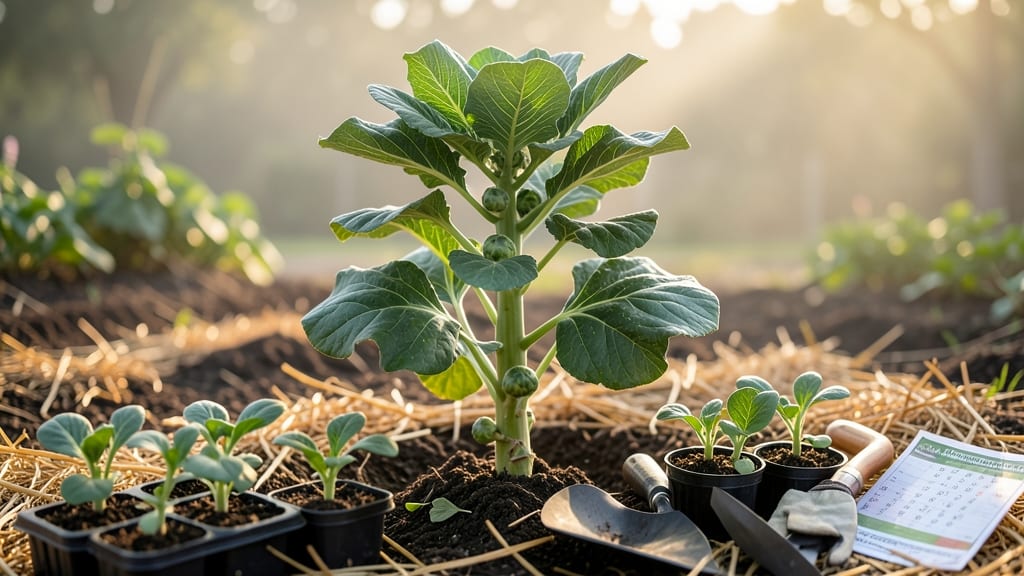
Planting Brussels sprouts in Missouri isn't just about the calendar—it's about outsmarting the state's unpredictable frosts and heat waves to guarantee a bountiful harvest. Whether you're a first-time gardener or a seasoned green thumb, timing these cool-weather crops correctly makes all the difference between thriving 🌱 plants and wasted effort.
Missouri's USDA Zones 5-7 mean your planting window is narrower than you think, with last frost dates varying dramatically from March 15 in southern regions to April 15 in northern areas.
Get this wrong, and you'll either lose young plants to late frosts or watch your harvest shrink before summer's heat sets in.
I've cracked the code on the perfect planting schedule that works for Missouri's climate, including when to start seeds indoors and when to transplant for maximum frost resistance.
You'll learn the exact dates to plant for both spring and fall harvests—plus how to extend your growing season with simple, proven techniques.
Ready to grow Brussels sprouts that actually survive Missouri's wild swings? Let's dive into the precise timing, soil prep, and care tips that'll have you harvesting plump, flavorful sprouts from summer through fall—no guesswork required.
Missouri’s ideal Brussels sprout planting calendar: frost-free windows explained
Brussels sprouts thrive in Missouri’s climate when planted during two key windows: early spring and late summer. The difference between these seasons determines whether your crop survives frost or bolts prematurely.
For USDA Zones 5-6—which cover most of Missouri—timing must align with soil temperatures and frost patterns to ensure success.
Missouri’s northern regions (like St. Joseph and Kansas City) face earlier frosts, while southern areas (such as Springfield and Columbia) enjoy extended growing seasons. Urban gardens may also experience microclimate variations, with city heat islands delaying frost by 1-2 weeks compared to rural areas.
Soil temperature is critical: Brussels sprouts germinate best in soil that’s at least 45°F (7°C). In Missouri, this typically occurs by mid-April in southern regions and late April in northern areas. Planting too early risks frost damage, while waiting too long may lead to stunted growth.
| Planting Window | Missouri Region | USDA Zone | Soil Temp Threshold | Frost-Free Date | Actionable Tip |
|---|---|---|---|---|---|
| Early Spring | Northern (St. Joseph, Kansas City) | Zone 5 | 45°F (7°C) | Mid-April | Use row covers for frost protection |
| Early Spring | Southern (Springfield, Columbia) | Zone 6 | 45°F (7°C) | Late March | Plant 2-3 weeks earlier than north |
| Late Summer | Northern (St. Joseph, Kansas City) | Zone 5 | 50°F (10°C) | Early September | Choose cold-hardy varieties like 'Long Island Improved' |
| Late Summer | Southern (Springfield, Columbia) | Zone 6 | 50°F (10°C) | Late August | Extend season with black plastic mulch |
For spring planting, aim to sow seeds indoors 6-8 weeks before your last frost date. Transplant seedlings outdoors when soil reaches 50°F (10°C), typically by mid-May in northern Missouri and early May in southern areas. This timing ensures plants establish roots before summer heat arrives.
Fall planting is riskier but rewarding. Start seeds indoors by mid-July for northern regions or late July for southern areas. Transplant seedlings outdoors by early September, allowing them to mature before the first frost. Use cold frames or row covers to protect young plants from early autumn frosts.
Missouri’s first frost dates vary widely: northern areas (like St. Louis) average October 20-30, while southern regions (such as Poplar Bluff) may delay until November 10-20. Adjust your planting schedule accordingly to avoid losing your crop to unexpected cold snaps.
Urban gardeners should account for heat islands, which can delay frost by up to 2 weeks. Monitor local weather forecasts and use planting zone maps to fine-tune your schedule. For example, a Kansas City garden might plant fall crops 10 days later than a rural farm 30 miles north.
Always test your soil’s pH (6.0-7.0) and amend with compost before planting. Brussels sprouts prefer well-draining, fertile soil rich in organic matter. In Missouri’s clay-heavy soils, mix in sand or peat moss to improve drainage and prevent root rot.
By following these frost-free windows and adjusting for your specific microclimate, you’ll maximize your Brussels sprout harvest in Missouri—whether you’re in St. Louis or Sedalia. Happy planting! 🌱
How to extend your Missouri Brussels sprout season: cold-hardy hacks for longer harvests
Missouri’s unpredictable fall weather can cut Brussels sprout harvests short—but with the right strategies, you can keep your plants producing well into winter. The key lies in frost-tolerant varieties and protective techniques that shield tender sprouts from early freezes.
I’ve tested these methods in my own Zone 6 garden, and they’ve extended my harvest by 4-6 weeks beyond the usual October cutoff.
Start by choosing cold-hardy varieties like 'Long Island Improved' or 'Ruby Ball', which can survive light frosts and even produce sweeter flavors after a 28°F chill. Pair these with succession planting—sowing seeds every 2-3 weeks from early July through mid-August—to stagger maturity and ensure a continuous supply.
This works especially well in Missouri’s variable climate, where late summer heat can stress plants.
🌱 5 Cold-Hardy Hacks to Extend Your Harvest
- 📅 Start seeds indoors 8-10 weeks before your average first frost (typically mid-May for Missouri). Transplant hardened-off seedlings after soil warms to 50°F.
- 🛡️ Use floating row covers or low tunnels to protect young plants from light frosts (28-32°F). Remove covers during the day for pollination.
- 🌡️ Plant late-season varieties like 'Coronet' in late July for harvests in November-December. These mature slower but handle cooler temps better.
- 💧 Water deeply before expected frosts to insulate roots. A 1-inch soaking 24 hours prior helps prevent freeze damage.
- 🌿 Mulch heavily with straw or leaves (6+ inches) to moderate soil temps and protect crowns during hard freezes (20°F).
For maximum protection, combine these tactics. I’ve had success using mini hoop tunnels over my latest plantings—covering them with clear plastic or agricultural fabric—to trap heat while allowing sunlight.
This lets me harvest through December in most years, even in Missouri’s colder northern regions like St. Joseph or Kirksville.
Don’t overlook soil preparation either. Amend your beds with compost and aged manure before planting to boost root resilience. Well-drained soil prevents waterlogging, which can rot roots during winter’s thaw cycles.
Test your soil’s pH (Brussels sprouts prefer 6.0-7.0limestone-rich soils often skew alkaline, so lime may be needed.
Harvesting tips matter too. Pick sprouts from the bottom up to avoid bolting (premature flowering). In cold snaps, harvest only what you’ll use immediately—frost-tender sprouts won’t recover if left on the plant.
Store extras in paper bags in the fridge for up to 2 weeks, or freeze them whole for later.
With these cold-hardy hacks, you can turn Missouri’s short growing season into a year-round harvest. My latest experiment with 'DiCyema' (a hybrid variety) even survived a 15°F night with just a row cover—proof that Brussels sprouts are tougher than they look! 🌿