
Plants
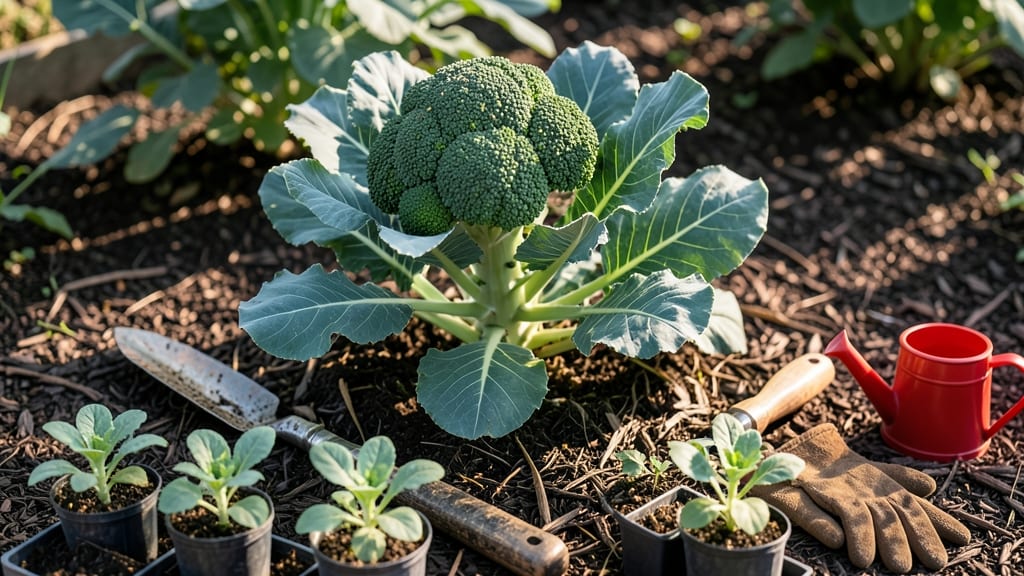
Planting 🥦 broccoli in Seattle isn’t just about the calendar—it’s about outsmarting the Pacific Northwest’s unpredictable mix of coastal chill and inland warmth. Too early, and your plants bolt before you even see florets; too late, and winter’s damp embrace stunts growth.
The key lies in knowing whether you’re in a milder coastal pocket or a colder inland zone, where frost dates can shift by weeks.
For most Seattle gardeners, the sweet spot arrives in early spring (March–April) or late summer (August–September), but timing varies dramatically between neighborhoods. Coastal areas like Ballard can push seedlings into the ground a week earlier than inland spots like Redmond, where frosts linger longer.
Even the soil plays a role—Seattle’s famously wet winters mean drainage is non-negotiable, or your broccoli will rot before it bolts.
What if you’re new to growing 🥦 broccoli? Don’t stress—this guide breaks down the exact windows for your microclimate, plus pro tips to avoid the most common mistakes (like overcrowding or skipping soil prep).
Whether you’re planting in containers or garden beds, we’ll cover how to stretch your harvest from spring to fall, even with Seattle’s 165 frost-free days.
Ready to grow broccoli that thrives, not just survives? Let’s dive into the step-by-step strategy that’s worked for Seattle gardeners for years—no guesswork, just zero-bolt success.
Optimal broccoli planting dates in Seattle: coastal vs inland climate differences
Seattle’s microclimates create a gardening puzzle—coastal areas enjoy milder winters and longer growing seasons, while inland zones face colder snaps and earlier frosts. For broccoli, this means your planting window could shift by 4-6 weeks depending on location.
Understanding these differences is key to avoiding bolting (premature flowering) or frost damage.
In coastal Seattle (e.g., West Seattle, Bainbridge Island), USDA Zone 8b-9a, you can plant broccoli as early as late February for a spring harvest or late August for fall.
Inland areas (e.g., Redmond, Kenmore, Zone 7b-8a) must wait until mid-March for spring and early August for fall to avoid heat stress.
First frost dates are your guide: coastal areas average November 15, while inland zones see frost by October 20. Broccoli thrives at 60–75°F—any hotter, and it bolts. Seattle’s summer heatwaves (even in coastal areas) can push temps above 85°F, triggering bolting in just 3–5 days.
🌱
For coastal gardeners, the spring window starts earlier, but summer humidity increases disease risks like downy mildew. I’ve had success with ‘De Cicco’ broccoli—it tolerates cooler coastal summers better than heat-sensitive varieties. Inland, ‘Waltham 29’ or ‘Calabrese’ are hardier choices for shorter seasons.
If you’re in a transition zone (e.g., Ballard, Shorelineearlier planting—these areas can experience both coastal mildness and inland cold snaps. Start seeds indoors by late January and transplant after April 1 to maximize your spring harvest window.
💧 Pro tip: Use shade cloth (30–50%) during heatwaves to protect broccoli from bolting. I’ve seen temps drop 10°F under cloth on 90°F days, buying precious time for your crop. Pair this with drip irrigation to keep roots cool and consistent.
Fall plantings require precise timing: coastal areas can push late August plantings into October harvests, while inland gardeners should aim for early August to avoid September heat spikes. Test your soil’s pH (6.0–7.0) and add compost—Seattle’s acidic soils (especially inland) can stunt growth if unamended.
🌿 Remember: Succession planting is your friend. In coastal areas, stagger spring plantings every 2 weeks from February to April for a continuous harvest. Inland, focus on one spring batch and one fall batch to avoid seasonal extremes.
Finally, monitor local weather forecasts
Seattle’s microclimates create unique challenges for broccoli growers. Urban areas near Puget Sound stay milder, while inland zones like Bellevue experience colder snaps. To thrive, you’ll need to adjust your approach based on your location—whether you’re in a rain-soaked urban garden or a drier rural plot. The key lies in soil prep, hardening seedlings, and strategic succession planting to stretch your harvest season. Start by testing your soil’s drainage and pH. Seattle’s acidic soils often need lime to reach the ideal 6.0–7.0 pH. Urban gardens packed with concrete may require raised beds, while rural areas can benefit from compost-amended soil. Organic matter improves moisture retention—a must for Seattle’s unpredictable rains. Mix in aged compost or well-rotted manure to give your broccoli the nutrients it craves. For urban gardeners, containers are a great option. Use 5-gallon pots with drainage holes and fill with a mix of potting soil and compost. Place them in south-facing spots to maximize sunlight, and water daily during Seattle’s dry summer stretches. In rural areas, focus on in-ground beds with raised edges to improve drainage—critical after heavy rains. Succession planting is your secret weapon. By sowing new seeds every 3 weeks from March through May, you’ll ensure a continuous harvest through October. Inland gardeners should avoid planting after June 15, as summer heat triggers bolting. Coastal areas can push to July 1 for a late-season crop. Always monitor your plants—yellowing leaves signal overwatering, while purple stems mean it’s too cold. Finally, embrace Seattle’s fall rains by harvesting broccoli before November 1. Use a sharp knife to cut heads 6 inches below the crown, leaving the stem intact for side shoots. With these adjustments, you’ll enjoy homegrown broccoli year-round, no matter where you garden in the Emerald City. 🌿How to adjust broccoli planting for Seattle’s microclimates: a step-by-step guide
🌱 Step-by-Step Broccoli Planting Adjustments for Seattle