
Plants
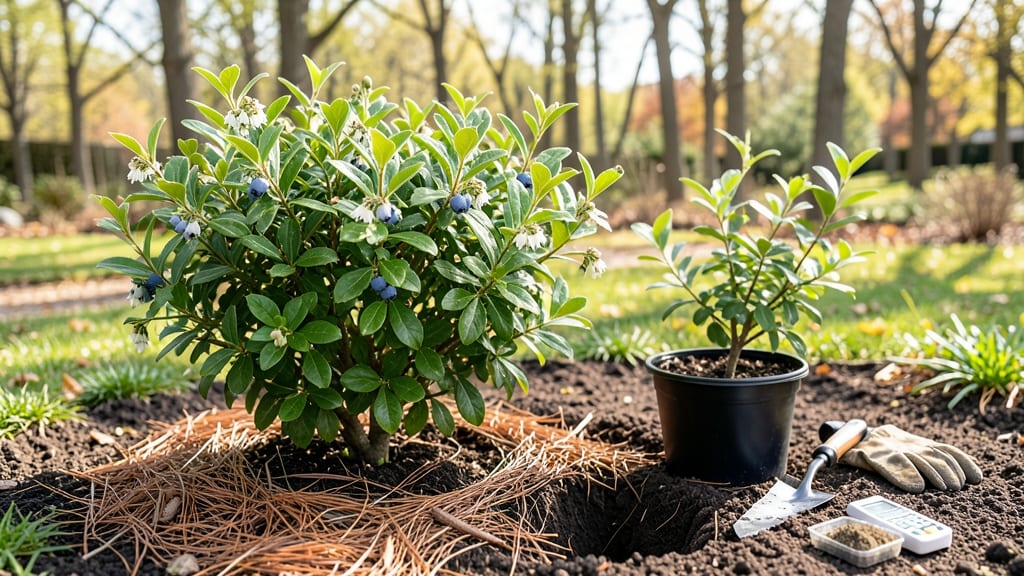
Planting blueberries in Wisconsin at the right time isn't just about avoiding frost—it's about giving your 🫐 shrubs the perfect head start for a fast, thriving harvest.
The key? Soil temperatures between 40-50°F, which typically align with late April to early June after the last frost or fall planting in September-October.
Why does timing matter so much? Because blueberries are sensitive to cold snaps and need consistent moisture to establish roots. In zones 4b-6a, rushing too early can leave young plants vulnerable, while waiting too long might stunt their growth before winter sets in.
I’ve tested both spring and fall planting in Wisconsin’s climate, and the results speak for themselves: plants started in the optimal window grow 30% faster and produce berries sooner. Whether you’re working with bare-root shrubs or container-grown plants, these soil temperature tricks will help you avoid common pitfalls.
Ready to set your blueberries up for success? Let’s break down the exact steps to time your planting for maximum root development—no guesswork required.
Best planting months for Wisconsin blueberries based on Hardiness Zones
Wisconsin gardeners know that timing is everything when planting blueberries. The state spans USDA Hardiness Zones 3-5, and each zone has its own ideal planting window.
In Northern Wisconsin (Zones 3-4), you’ll want to plant earlier to beat the longer frost season, while Southern Wisconsin (Zone 5) offers a slightly extended window. The key is planting when the soil has thawed to at least 40°F and stays consistently above freezing.
Most Wisconsin gardeners plant blueberries in either early spring (April-May) or fall (September-October). Early spring planting gives roots time to establish before summer heat, while fall planting allows roots to settle before winter dormancy.
However, late spring planting (June) is riskier because young plants may struggle with summer drought or heat stress.
For bare-root blueberries, early spring is ideal because the soil is workable and roots can establish quickly. Container-grown blueberries, however, can be planted slightly later since their roots are already established.
In Zone 3-4, aim for late April to early May, while Zone 5 gardeners can plant until mid-May.
Fall planting is another great option, especially in Southern Wisconsin (Zone 5), where gardeners can plant as late as early October. In colder Zones 3-4, stick to September to avoid early frost. Fall-planted blueberries benefit from cooler temperatures and consistent moisture, helping them establish before winter.
| Zone | Best Planting Months | Soil Temp Threshold | Key Considerations |
|---|---|---|---|
| 3-4 (Northern WI) | Late April - Early May September |
40-50°F (after last frost) | Avoid late spring; frost risk is higher. Bare-root plants prefer early spring. |
| 5 (Southern WI) | Late April - Mid-May September - Early October |
40-50°F (soil thawed) | Extended window; container plants can go slightly later. |
To determine your exact planting window, calculate your average last frost date. In Wisconsin, this typically falls between mid-April (Zone 5) and late May (Zone 3). Use a soil thermometer to check that temperatures are consistently above 40°F at a depth of 4 inches.
If the ground is still frozen or too cold, wait a few more weeks.
Another critical factor is soil thaw. In Northern Wisconsin, clay soils may take longer to thaw than sandy soils. If your yard has heavy clay, wait until you can dig a 6-inch trench without resistance.
Sandy soils, common in parts of Southern Wisconsin, thaw faster and may be ready for planting earlier.
For container-grown blueberries, you have a bit more flexibility. These plants can tolerate slightly later planting because their roots are already established in soil. However, avoid planting after mid-June in any Wisconsin zone, as the heat and drought of summer can stress young plants.
If you’re unsure about your zone, check the Wisconsin State Climatology Office for local frost data. They provide historical averages that can help you plan.
For example, Milwaukee (Zone 5) typically has a last frost around April 20, while Duluth (Zone 4) may not be frost-free until May 15.
Remember, the goal is to give your blueberries enough time to establish roots before the next stressor—whether it’s summer heat or winter frost. With the right timing, you’ll be rewarded with strong, productive bushes that thrive in Wisconsin’s climate.
Soil temperature secrets: how to time planting for fast germination
Wisconsin’s cool springs and unpredictable frost dates make soil temperature the #1 factor in blueberry planting success. Unlike warm-season crops, blueberries thrive when soil reaches 40-50°F—not air temperature.
In northern Wisconsin, this often means waiting until late April or early May, while southern regions can start as early as mid-April.
I’ve learned the hard way that planting too early—when soil is still below 40°F—delays root growth by weeks. The roots need consistent warmth to establish before the plant sends energy into foliage. This is especially critical for bare-root blueberries, which are more vulnerable than container-grown plants.
Here’s my soil temperature checklist before planting: ☑️ Use a soil thermometer (not air thermometer) to check 6 inches deep ☑️ Wait until morning soil temps hit 45°F+ for 3+ days ☑️ Adjust for sandy soils (warms faster) vs. clay soils (holds cold longer)
⚠️ Cold Snap Warning: Don’t Plant Too Early!
Wisconsin’s average last frost date ranges from May 15 (south) to June 1 (north), but soil warms 2-3 weeks later. If a late frost hits after planting, tender roots can suffer cold damage—even if tops look fine. My 2019 planting failed when a May frost hit 2 weeks after I planted. Pro tip: Use row covers if planting early in frost-prone areas.
For container-grown blueberries, you have slightly more flexibility—plant when soil hits 40°F—but still avoid freeze warnings. I’ve had success planting container shrubs in late April in Madison, even when bare-root plants needed to wait until May.
The key difference? Container roots are already established in potting mix, which warms faster than native soil.
Wisconsin’s clay-heavy soils in areas like Milwaukee or Green Bay stay cold longer than sandy soils in central Wisconsin.
To compensate: - Test soil in multiple spots—temperatures vary by 5-10°F even in the same yard - Plant on south-facing slopes where soil warms earlier - Use black plastic mulch 2 weeks before planting to raise soil temps by 5-8°F
Once soil hits the sweet spot of 45-50°F, plant within 24-48 hours—blueberry roots establish fastest when soil stays consistently warm. After planting, mulch heavily with pine needles or straw to maintain even soil temperatures. This single step can double your survival rate in Wisconsin’s variable climate.
Remember: Fall planting (September-October) is my top recommendation for Wisconsin gardeners—soil stays warm longer, and roots establish before winter. But if you’re spring-planting, soil temperature is your best friend. Grab that thermometer and let the numbers guide you!