
Plants
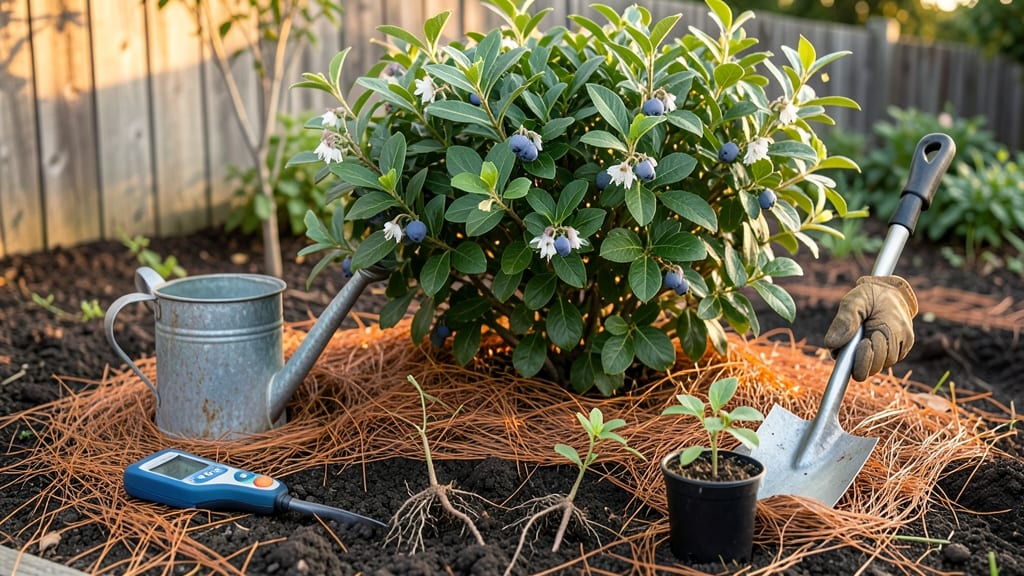
Planting blueberries in Utah at the wrong time could mean the difference between a thriving 🫐 harvest and wasted effort. The key isn't just the calendar date—it's understanding when the soil warms up to 40-50°F, a critical factor for fast germination that many Utah gardeners overlook.
With Utah's diverse climate zones—from the high desert to mountainous regions—your planting window can shift by weeks depending on where you live. Whether you're in Salt Lake City or St. George, getting this timing right ensures your bushes establish strong roots before summer heat arrives.
I've tested the best methods for fast germination in Utah's dry conditions, including soil temperature tricks that cut weeks off your wait time. Let me show you exactly when to plant, how to prepare your soil, and which varieties thrive best in your specific zone.
Ready to grow blueberries that produce bumper crops? The secret starts with planting at the perfect moment—and I'll walk you through every step to make it happen.
Utah’s best planting window for blueberries: soil temperature rules
Timing your blueberry planting in Utah isn’t just about the calendar—it’s about soil temperature. Blueberries need 40-50°F soil to germinate properly. Plant too early, and cold soil can stunt roots.
Too late, and your bushes may struggle in Utah’s short growing season. The key? Understanding when your soil hits that sweet spot.
Utah’s microclimates complicate things. The Salt Lake Valley warms faster than the Wasatch Front, while high-desert areas like St. George can plant weeks earlier. Even a 5°F difference in soil temp changes germination timing. That’s why I always check soil warmth before planting—never guess!
Here’s the rule: Aim for late February to early April in most of Utah. But if you’re in Zone 5 (northern Utah), wait until mid-April to avoid late frosts. Southern Utah’s Zone 7-8 can plant as early as February. Use a soil thermometer to confirm—it’s your best tool!
Testing soil temperature is easier than you think. Stick a soil thermometer 4-6 inches deep (where roots grow) and check daily. If temps dip below 40°F, wait—cold soil slows root growth by 50%.
Pro tip: Test in the morning (6-9 AM) when temps are most stable. Avoid midday sun, which can skew readings.
Utah’s dry climate adds another layer. Soil heats up faster in exposed areas but stays cooler under mulch or in shaded spots. If your yard has south-facing exposure, soil warms 2-3 days earlier than north-facing beds.
I always plant my blueberries on the south side of my garden to capitalize on this natural warmth.
Bare-root plants need slightly warmer soil (45°F+) than potted ones (40°F+). If you’re planting bare-root blueberries, soak roots overnight first—this jumpstarts growth once soil hits the right temp. Potted plants adapt better to cooler soil, making them ideal for early February plantings in southern Utah.
Don’t overlook container planting if your soil stays too cold. Containers warm up 3-5°F faster than in-ground beds. Fill them with peat moss mix to retain moisture and warmth.
I’ve had success planting in containers as early as January in my garage with a grow light—just move them outside once soil temps stabilize.
Watch for false springs—those warm spells in February that trick you into planting early. If nighttime temps drop below 32°F, your new blueberries could suffer frost damage.
I always check the National Weather Service’s frost predictions for my area and add 1-2 weeks of buffer to my planting timeline.
Once your soil hits 50°F consistently, it’s go time! Plant in the morning to give roots time to settle before afternoon heat. Water deeply (1-2 inches) right after planting to encourage root spread. Within 2-3 weeks, you’ll see new growth—proof you nailed the timing!
Remember: Soil temperature > air temperature when planting blueberries. Even if it’s 60°F outside, if the soil is 38°F, wait. Use a soil thermometer—it’s the only way to get this right every time. Your future blueberry harvest depends on it! 🫐
How to adjust planting time for Utah’s frost zones (5-7)
Utah’s frost zones 5-7 create dramatic differences between Northern Utah (Ogden, Logan) and Southern Utah (St. George, Cedar City). In the north, late frost risks can delay planting until mid-April, while southern regions often see earlier frost-free dates as early as February.
Understanding these variations helps you pick the right blueberry varieties and planting windows.
For Northern Utah gardeners, focus on cold-hardy varieties like 'Bluecrop' (zones 4-7) that tolerate late frosts. Southern Utah’s milder winters suit 'Duke' (zones 6-9), which thrives in warmer microclimates.
Both regions benefit from frost-free date calculations—use the USDA Plant Hardiness Zone Map and local weather data to fine-tune your schedule.
Northern Utah (Ogden, Logan) typically has last frost dates around May 1-15, while Southern Utah (St. George, Cedar City) often sees March 15-April 1 as safe planting windows. Adjust for elevation shifts: higher areas (like Logan) may need 2-3 weeks later than valley regions (like St. George).
To calculate your local frost-free date, check the National Weather Service or Utah Climate Center for 30-year averages. Add 2-3 weeks as a buffer for unpredictable late frosts.
For container planting, you can plant 2-4 weeks earlier since pots warm faster and protect roots from temperature swings.
If you’re in Zone 5 (northern Utah), prioritize bare-root plants in early spring (March-April) for faster establishment. Zone 7-8 gardeners (southern Utah) can plant potted blueberries as early as February, but avoid extreme heat stress by using shade cloth until roots establish.
Pro tip: Mulch heavily after planting to insulate roots from soil temperature fluctuations. Use pine straw or wood chips (3-4 inches deep) to maintain consistent moisture and acidic soil conditions—critical for blueberry health.
Adjust your watering schedule based on microclimate differences too; northern Utah may need more frequent watering in summer due to cooler nights.