
Plants
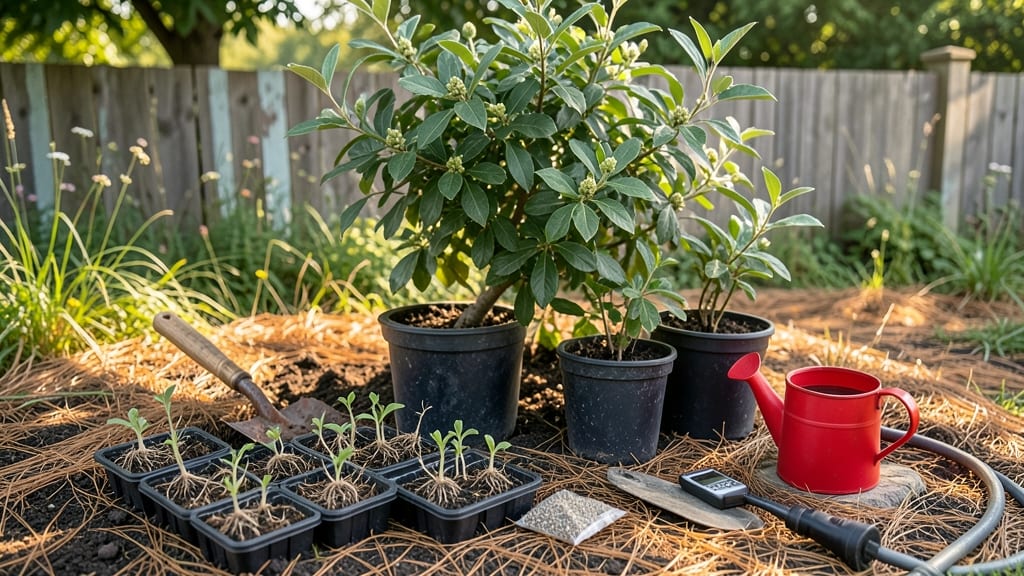
Planting blueberries in South Carolina at the wrong time could mean tiny berries—or worse, no harvest at all. The key to sweet, abundant 🫐 harvests lies in understanding your zone's chill-hour needs and the best window to get those bushes in the ground.
Here's the secret: Most gardeners in SC's 7b-9a zones should plant in late winter to early spring, but timing varies by variety and frost risk. Southern Highbush types need fewer chill hours than Rabbiteyes, and a late frost can wipe out young plants if they're not hardened off properly.
I've learned the hard way that planting too early or too late can set your blueberries back for years. In this guide, I'll break down exactly when to plant—whether you're working with bare-root plants or containers—and how to adjust for your specific corner of the state.
Ready to grow blueberries that produce like crazy? Let's dive into the zone-specific planting schedule that actually works for South Carolina gardens.
South Carolina blueberry planting zones & chill-hour requirements explained
South Carolina spans USDA Zones 7b through 8a, creating unique challenges and opportunities for growing blueberry bushes. Unlike northern climates, our mild winters mean chill-hour requirements become critical—some varieties simply won't produce well if they don't get enough cold exposure.
Understanding your specific zone helps you select the right Southern Highbush or Rabbiteye varieties for reliable harvests.
The key difference between zones? Zone 7b (coastal areas like Charleston) gets 400-600 chill hours, while Zone 8a (Upstate regions like Greenville) typically sees 600-800 chill hours. This matters because blueberries need these cold periods to break dormancy and set fruit.
Planting at the wrong time—like too early in spring—can stress young plants before they've hardened off properly.
Here's how chill-hour needs translate to variety choices: Southern Highbush varieties (like 'Climax' or 'Premier') thrive in 300-500 chill hours, making them perfect for Zone 7b. Meanwhile, Rabbiteye types (such as 'Tifblue' or 'Powderblue') handle 500-800 chill hours, ideal for Zone 8a.
Mixing varieties in the same bed also improves pollination and extends harvest seasons.
Your planting window depends on both zone-specific frost dates and variety type. In Zone 7b, aim to plant bare-root blueberries in late winter (February-March) before buds swell, while Zone 8a gardeners can extend planting into early April.
Container-grown plants offer more flexibility—you can transplant them year-round, but spring remains ideal for root establishment.
Let's break down the essentials in this zone-specific summary table to help you choose the right variety and timing for your SC garden:
| Zone & Location | Chill Hours | Best Varieties | Planting Window | Key Tip |
|---|---|---|---|---|
| 7b (Coastal: Charleston, Hilton Head) | 400-600 | Climax, Premier, Southern Snap | Late Feb-March | Use acid-loving mulch (pine needles) to protect from salt spray |
| 7b-8a (Piedmont: Columbia, Camden) | 500-700 | Tifblue, Powderblue, O'Neal | March-April | Plant 2-3 varieties for cross-pollination |
| 8a (Upstate: Greenville, Spartanburg) | 600-800 | Climax, Tifblue, Centurion | Early April | Avoid late spring frosts with row covers |
| All Zones | N/A | Arapaho (dwarf) | March-April | Perfect for container growing in urban areas |
Notice how Zone 7b (coastal areas) has the tightest planting window? That's because warmer winters mean buds can swell earlier, stressing young plants if transplanted too soon.
In contrast, Zone 8a gardeners can wait until early April because the longer chill period gives plants more time to establish roots before summer heat arrives. Always check your local frost dates—they can vary by 1-2 weeks even within the same zone.
One common mistake I see is planting Rabbiteye varieties in Zone 7b without verifying chill-hour data. While they might survive, they often produce poorly because they need more cold exposure.
Instead, opt for Southern Highbush types that match your zone's chill hours. For example, 'Climax' thrives in 400-600 chill hours, making it ideal for Charleston's climate.
Soil preparation is just as critical as timing.
Step-by-step guide: when to plant blueberries in SC by month (Zone-specific)
South Carolina’s climate varies dramatically from the coastal lowcountry to the Upstate mountains, making timing critical for blueberry success. In Zone 8a (coastal), you’ll need to plant earlier to avoid summer heat stress, while Zone 7b (Upstate) can handle later spring plantings.
Both regions benefit from fall planting—just time it right to avoid winter dormancy stress.
Before planting, amend your soil to a pH of 4.5-5.5 using sulfur or peat moss. Blueberries are acid-loving plants, so test your soil first! Coastal areas often need extra organic matter to improve drainage, while Upstate gardens may require more frequent watering during dry spells.
Let’s break down the best months for each region.
📅 Step-by-Step Planting Schedule for SC Blueberries
- 🌱 Coastal (Zone 8a): Plant bare-root plants in November-December (fall) or January-February (early spring) to establish roots before summer heat. Container-grown bushes can go in until March.
- 🌿 Piedmont (Zone 7b-8a): Ideal window is October-November (fall) or February-March (spring). Avoid planting after April 15 to prevent heat stress during root establishment.
- 🏔️ Upstate (Zone 7b): Plant October-November (fall) or March-April (spring). Later spring plantings (after April 15) risk frost damage to new growth.
- 💧 Soil Prep: Dig a hole twice as wide as the root ball. Mix half peat moss and half native soil to create an acidic planting medium. Avoid fresh manure—it raises pH.
- ✂️ Pruning Tip: Trim back 1/3 of the plant’s height at planting to encourage bushier growth. Remove any dead or damaged branches immediately.
- 🌡️ Frost Adjustments: If frost is forecast within 2 weeks of planting, delay until spring. Use mulch (pine straw or wood chips) to protect roots in winter.
- 📅 Post-Planting Care: Water deeply 2-3 times per week for the first month. Reduce to once weekly once established (after 60 days).
Spring planting is popular, but fall is often better because cooler temps reduce transplant shock. If you plant in late spring (May), choose container-grown bushes over bare-root to minimize stress. Always plant on a cloudy day or in the late afternoon to prevent wilting.
Watch for early frosts in the Upstate (Zone 7b), which can damage new growth if planted too late. Coastal areas (Zone 8a) may experience unpredictable late frosts, so monitor local forecasts. A frost cloth can protect young plants if frost is expected within 2 weeks of planting.
After planting, apply a 2-3 inch layer of mulch to retain moisture and regulate soil temperature. Avoid mulching too close to the stem—keep it 3 inches away to prevent rot. Your blueberries will reward you with harvests in 2-3 years if planted at the right time!
Pro tip: Mark your planting date on a calendar to track growth milestones. Most SC varieties like ‘Climax’ or ‘Tifblue’ will bear fruit by their second or third year if planted correctly. Happy planting!