
Plants
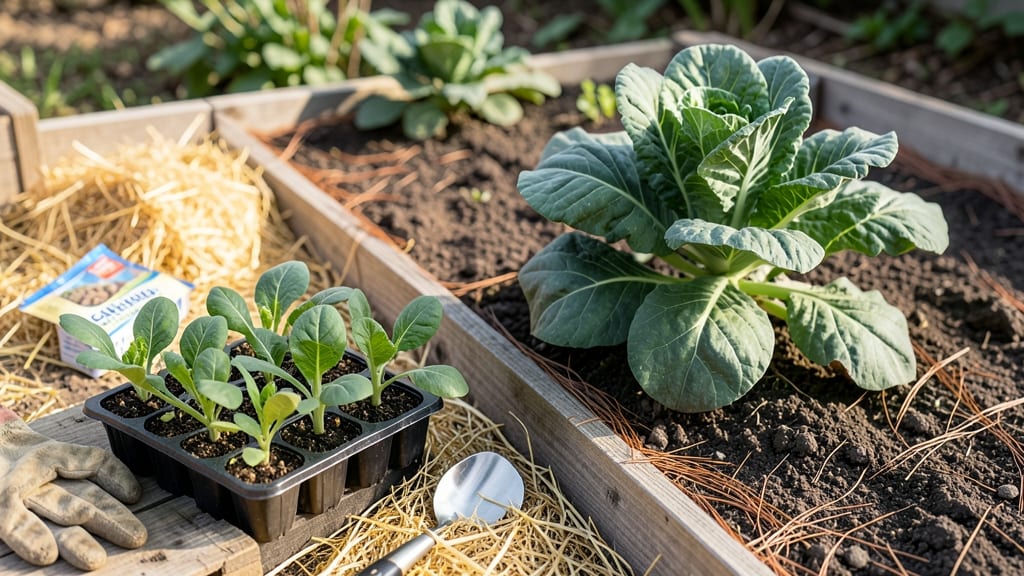
If you’ve ever wondered when do you plant collards in South Carolina for the sweetest, tender harvests, the answer lies in timing. Planting your 🥬 at the wrong time—whether too early or too late—can mean the difference between a bumper crop and a disappointing harvest.
South Carolina’s unique climate zones, from the cooler Upstate to the humid Lowcountry, create distinct planting windows for collards. Whether you’re aiming for a spring harvest of crisp greens or a fall bounty of rich, flavorful leaves, getting the timing right is the key to success.
I’ll break down the exact months to plant, how to adjust for your specific region, and why these dates matter for avoiding frost and heat stress.
Spring planting kicks off as early as mid-February in the Upstate, while the Coastal Plain waits until late March to escape late frosts. Fall planting, on the other hand, starts in late July and stretches into September, giving you a second chance to enjoy homegrown collards before winter sets in.
But here’s the catch: planting too soon in spring risks frost damage, while starting too late in fall may leave you with small, tough leaves.
Ready to discover the perfect planting schedule for your South Carolina garden? Let’s dive into the frost-free months by region and the secrets to maximizing your collard harvest—no guesswork required.
Optimal collard planting dates by South Carolina region (frost charts included)
South Carolina’s three distinct climate zones—Upstate, Piedmont, and Coastal—create unique frost-free windows for collards. The Upstate (Greenville/Asheville) has the earliest spring frost risks, while the Coastal (Charleston/Myrtle Beach) enjoys longer growing seasons.
Understanding these regional differences ensures you avoid bolting in summer heat or frost damage in early spring.
Collards thrive in cool-season windows, meaning they perform best when soil temperatures stay below 80°F. In SC, this translates to two ideal planting periods: early spring (February–March) and late summer/fall (August–September).
Each region’s frost dates shift these windows slightly, so let’s break it down by zone to pinpoint your exact planting timeline.
📅 Key Dates to Remember:
- Last frost ranges from mid-February (Upstate) to early March (Coastal).
- First frost typically arrives mid-November (Upstate) to late November (Coastal).
- Harvest windows extend 6–8 weeks after transplanting, with fall crops often lasting until December in milder areas.
In the Upstate, where frost lingers longer, aim to plant transplants by March 15 for spring harvests. The cooler nights and shorter days help prevent bolting, but avoid sowing seeds before February 20—they’ll struggle with cold soil.
For fall, start seeds indoors by July 1 or transplant by August 1 to ensure mature plants before frost.
The Piedmont offers a 2-week buffer compared to the Upstate. Here, you can push spring plantings to April 15 for a late-spring harvest, but March 1 is ideal for consistent growth.
Fall plantings thrive when started by August 15, giving plants enough time to bulk up before November’s first frost. This region’s moderate humidity also reduces leaf diseases like downy mildew if you space plants properly.
Coastal gardeners enjoy the longest season, with March 15–April 30 as the sweet spot for spring. The warmer soil and humid air mean you can direct-sow seeds as early as February 28, but watch for slugs and aphids, which thrive in the damp Lowcountry.
For fall, transplant by September 1 to extend harvests into December, especially in microclimates like Charleston’s peninsula.
Pro tip: Use row covers in the Upstate to extend your spring window by 2–3 weeks. In the Coastal region, shade cloth during summer heatwaves (above 90°F) prevents bolting and keeps leaves tender.
Always harden off transplants for 7–10 days before setting them in the ground to avoid shock.
To maximize your harvest, plan for successive plantings every 2–3 weeks during your region’s ideal window. This staggered approach ensures a continuous supply of leaves from spring through fall.
For example, in the Piedmont, sow a batch on March 1, another on March 15, and a final one by April 1 for a 3-month harvest.
Remember, soil temperature matters more than air temperature. Use a soil thermometer to confirm 45–55°F for spring planting and 60–70°F for fall. If your soil runs cooler (common in shady or wet areas), wait until temperatures stabilize or use black plastic mulch to warm the soil faster.
By aligning your planting with these region-specific frost charts, you’ll avoid the two biggest collard-growing mistakes: planting too early and losing crops to frost or planting too late and dealing with bitter, bolted leaves.
With the right timing, your collards will deliver sweet, tender leaves from April through November—just in time for your favorite Lowcountry boil or Upstate BBQ! 🥬
5 Critical factors that determine your collard planting timeline
Getting your collard planting timeline right in South Carolina means balancing soil temperatures, microclimates, and variety choices. The Upstate’s cooler springs and Lowcountry’s humid summers create wildly different windows—so one size doesn’t fit all.
For example, my Greenville garden thrives with early March plantings, while Charleston’s heat demands late July starts. Let’s break down the 5 game-changers that shift your ideal dates.
First, soil temperature is non-negotiable. Collards won’t germinate below 45°F, and ideal growth happens between 60°F and 75°F. In SC’s USDA Zones 7b-8a, this means waiting until mid-February in the Upstate but holding off until late July in the Lowcountry.
I’ve seen seedlings rot in Charleston’s August heat when planted too early—so always check soil temps with a soil thermometer before committing.
Microclimates within your yard can add 2-4 weeks to your planting window. A shady corner stays cooler longer, while a south-facing bed warms up faster. My backyard’s north side lets me plant 2 weeks earlier than my front yard’s full sun. Even a 5-foot difference in elevation can create a 5°F temperature shift. Scout your space before planting!
Early Spring Planting (Feb-Mar) vs. Late Summer Planting (Aug-Sept)
- ✅ Pros: Longer harvest window
- ✅ Pros: Fewer pests (aphids, flea beetles)
- ✅ Pros: Sweeter flavor development
- Risk of frost damage if late freeze hits
- Slower growth in cool soils
- ✅ Pros: Avoids summer bolting risk
- ✅ Pros: Faster growth in warm soil
- ✅ Pros: Extended fall harvests
- Higher pest pressure (cabbage worms)
- Less time for flavor sweetening
Choosing between seeds vs. transplants can shift your timeline by 3-4 weeks. Transplants let you start 2 weeks earlier in spring (since they’re already hardened off), but seeds give you more variety options and cheaper bulk planting.
I prefer transplants for fall (August starts) because they establish faster before first frost, but seeds work better for spring succession planting—just cover them with row fabric to speed germination.
Your collard variety makes a huge difference. Heat-tolerant types like ‘Blue Max’ handle Lowcountry summers better, while ‘Georgia Southern’ bolts faster in Upstate heat. Cold-hardy varieties like ‘Vates’ survive 20°F but may taste bitter if planted too early.
I always test 2 varieties—one for spring, one for fall—to cover all bases. Pro tip: Heat-tolerant collards planted in late July can still yield through December in Charleston.
Finally, pest pressure changes with timing. Early plantings face flea beetles, while late starts attract cabbage worms. My fall collards get row covers in September to block imported cabbageworms, which explode in Lowcountry humidity.
If you plant in April, watch for aphids—they love tender new growth. The earlier you plant, the longer your harvest window, but the more vigilant you’ll need to be with pest control.