
Plants
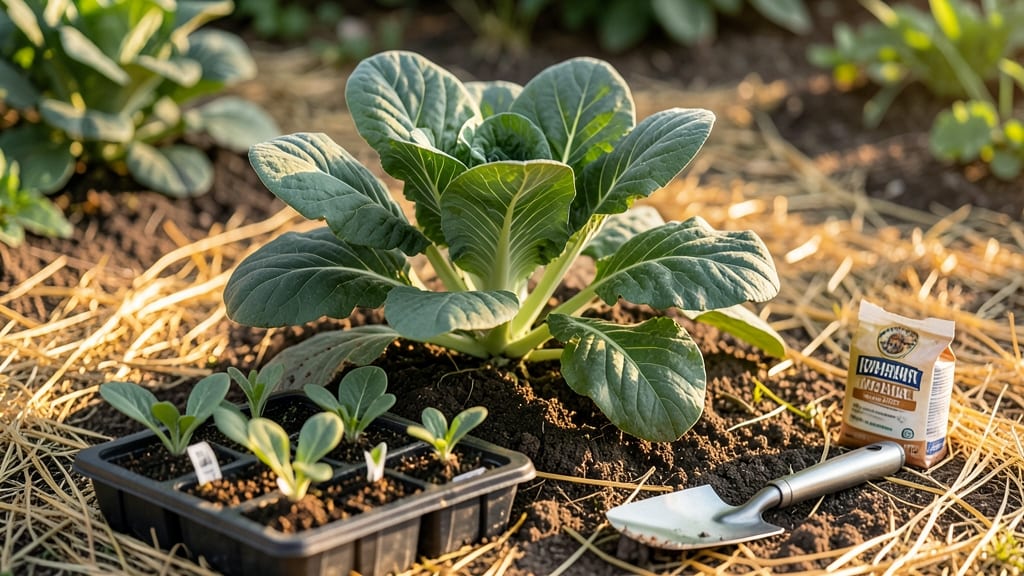
If you're wondering when to plant collards in Mississippi, timing is everything—especially in a state where summer heat can either make or break your harvest. These heat-tolerant greens 🥬 actually prefer Mississippi’s warm climate, but planting too early or too late means missing out on their full potential.
The key is planting in early spring (March-April) or late summer (August-September), when temperatures are mild enough to avoid stress but still warm enough to encourage steady growth.
In Mississippi’s USDA Zone 8a, this means avoiding the brutal July heat while still giving your collards time to mature before winter sets in.
Whether you're aiming for a spring harvest by May-June or a fall harvest in October-November, the right timing ensures your collards stay crisp, flavorful, and ready for the table. I’ll walk you through the exact windows, soil prep, and care tips to maximize your yield—no guesswork needed.
Ready to grow collards that thrive in Mississippi’s climate? Let’s dive into the best planting strategies to keep your garden productive all season long.
Best planting times for collards in Mississippi’s climate zones
Mississippi’s USDA zones 7b-8a create unique growing conditions where collards can thrive year-round with the right timing. Unlike many vegetables, collards handle heat and humidity better than cold snaps, making spring and fall the ideal planting windows.
In the northern part of the state (like Tupelo), frost dates shift planting slightly earlier, while southern regions (like Biloxi) can start later.
The key to success is planting when soil temperatures stay above 50°F (10°C)—this prevents stunted growth. For spring plantings, aim for late February to April, while fall plantings should occur between August and September to ensure harvest before the first frost.
This dual approach maximizes your harvest potential and avoids the mid-summer heat stress that can reduce yields.
Here’s a quick reference for Mississippi’s two main planting windows, tailored to the state’s microclimates:
| Planting Window | Ideal Soil Temp | Mississippi Regions | Harvest Time | Key Tip |
|---|---|---|---|---|
| Late February - Early April | 50-60°F (10-15°C) | North (USDA 7b) / Central (USDA 8a) | May - June | Start seeds indoors 4-6 weeks before last frost. |
| August - Early September | 60-70°F (15-21°C) | South (USDA 8a) / Coastal | October - November | Direct-sow after soil cools below 85°F (29°C). |
| Mid-March - Late April | 55-65°F (13-18°C) | All Regions (Extended Season) | June - July | Use shade cloth if temps exceed 90°F (32°C). |
For northern Mississippi (like Oxford or Greenville), where frosts linger into March, begin planting indoors in February and transplant after the last frost date (typically March 15).
In southern Mississippi, where frost is rare until November 15, you can push fall plantings into early September for a late harvest.
Collards are cool-season crops, meaning they tolerate light frosts but bolt (go to seed) when days get too hot. In Mississippi’s summer, temperatures often exceed 90°F (32°C), which stresses collards.
To avoid this, plant shade-tolerant varieties like 'Georgia Southern' or 'Top Bunch' and use 30% shade cloth during peak heat. This simple trick can extend your growing season by 4-6 weeks.
Another pro tip: Succession planting works well for collards. After your initial spring harvest, sow a second batch in early June for a fall crop. This staggered approach ensures you have fresh greens from May through November, even in Mississippi’s humid climate.
Just be sure to mulch heavily to retain moisture and regulate soil temperature.
Mississippi’s coastal regions (like Hattiesburg or Biloxi) benefit from longer growing seasons due to milder winters. Here, you can plant collards as late as September 15 and still harvest before frost.
However, avoid planting in July or August when soil temps often exceed 85°F (29°C), which can cause poor germination and stunted growth.
When preparing your garden bed, focus on well-draining soil with a pH of 6.0-7.0. Amend heavy clay soils with compost or aged manure to improve aeration. Collards are nutrient-hungry, so incorporate a balanced fertilizer (10-10-10) at planting and side-dress with compost tea every 4-6 weeks to maintain vigor.
This feeding schedule aligns perfectly with Mississippi’s spring and fall planting windows.
Finally, don’t overlook pest pressure in Mississippi’s humid climate. Collards are susceptible to cabbage loopers and aphids, especially in summer plantings. Use row covers or neem oil sprays as a preventive measure.
With the right timing and care, your collards will reward you with tender, flavorful leaves all season long.
🌱
How to extend collard growth in Mississippi’s summer heat
Mississippi’s summer heat can stress many vegetables, but collards actually thrive with proper care during these months. The key is managing heat stress, soil moisture, and shade to prevent bolting and maintain leaf production.
With the right techniques, you can enjoy continuous harvests even when temperatures soar above 90°F (32°C). Let’s explore actionable strategies to keep your collard plants productive all summer long.
First, focus on soil preparation—rich, organic matter like compost improves water retention and root health. Amend your soil with aged compost or well-rotted manure before planting. This helps collards withstand heat waves by keeping roots cool and hydrated.
Pair this with mulching using straw or shredded leaves to lock in moisture and regulate soil temperature. A 2-3 inch mulch layer can reduce soil temps by up to 10°F (5°C).
For irrigation, prioritize deep watering over frequent shallow sessions. Use a drip irrigation system or soaker hose to deliver water directly to the roots, reducing evaporation. Watering before 10 AM lets foliage dry quickly, minimizing fungal risks.
If you’re hand-watering, aim for 1-1.5 inches per week, adjusting for rainfall. During heatwaves, increase frequency to every 2-3 days to prevent wilting.
Another game-changer is companion planting. Collards pair well with bush beans, which fix nitrogen in the soil, or radishes, which deter pests like flea beetles. Avoid planting near tomatoes or peppers, as they compete for resources.
If space is limited, interplant collards with lettuce or spinach for a shade-loving combo that thrives in partial shade.
Finally, monitor your collards for signs of heat stress, such as yellowing leaves or curling edges. If you notice these symptoms, provide temporary shade and increase watering temporarily.
With these strategies, your collards will stay productive and tender all summer, giving you a steady supply of nutrient-rich greens for salads, sautéing, or freezing.
By combining shade protection, smart irrigation, and companion planting, you’ll turn Mississippi’s summer heat into an advantage for your collard garden. Happy growing!