
Plants
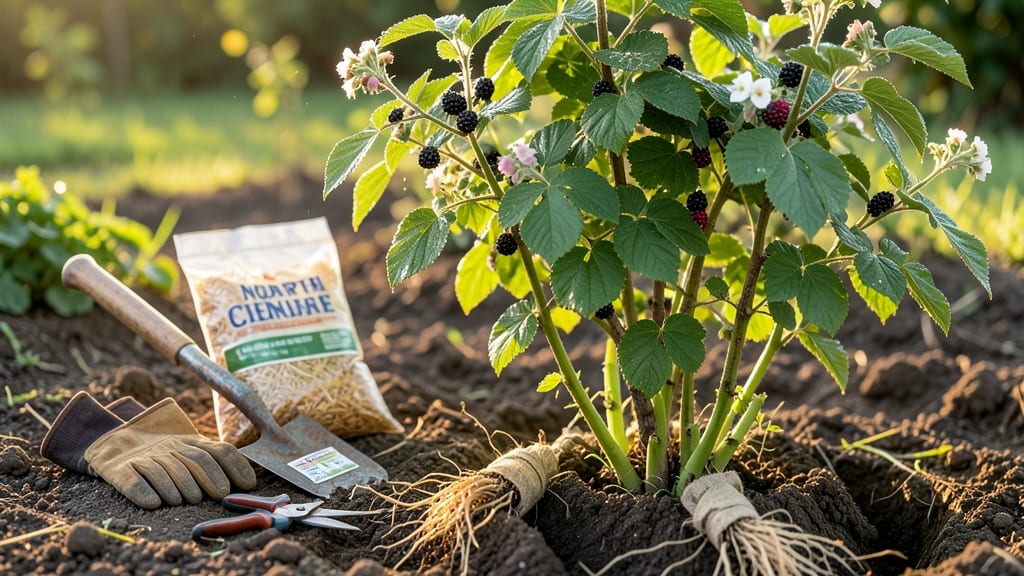
Timing your blackberry planting in North Carolina can make or break your harvest—especially when dealing with chill-hour needs that vary by variety. Whether you're growing thornless varieties for easy picking or traditional types for classic flavor, getting the right window matters more than you might think.
Most gardeners in NC's 6b-8a zones swear by fall planting (September-October), when soil stays warm enough for roots to establish before winter dormancy. But spring planting (February-March) also works if you choose the right varieties and prepare your soil carefully.
The key? Matching your blackberry's chill-hour requirements to your local climate—something I've learned the hard way with failed harvests.
In this guide, I'll break down exactly when to plant based on your region—whether you're in the Coastal Plain, Piedmont, or Mountains—and which varieties thrive best in each area.
We'll also cover whether bare-root or potted plants give you the edge, plus critical prep steps to avoid common mistakes that waste years of effort.
Ready to turn your blackberry patch into a reliable fruit source? Let's dive into the perfect planting schedule for your NC garden, so you can enjoy those juicy 🫐 berries from late spring through summer.
Best planting times for blackberries in NC by chill-hour Zone
North Carolina’s diverse climate—from the Coastal Plain to the Mountains—means blackberry planting times vary dramatically by chill-hour needs and USDA zones. High-chill varieties (600+ hours) thrive in the Mountains (Zone 6b-7a), while low-chill types (300 hours) succeed in Zone 8b along the coast.
Timing is everything: plant too early, and frost will kill tender canes; too late, and roots won’t establish before winter. Let’s break it down by your zone and chill needs.
Fall planting (September-October) is ideal for most NC gardeners because it gives roots time to establish before winter dormancy. Spring planting (February-March) works for low-chill varieties but risks late frosts in cooler zones.
The key? Match your variety’s chill hours to your last frost date—most of NC’s last frost averages March 15, but mountain regions can see frost into April.
Here’s how to align your planting with NC’s three chill-hour categories and their best windows:
| Chill-Hour Category | USDA Zones in NC | Best Planting Window | Why This Works | Avoid Planting |
|---|---|---|---|---|
| High-Chill (600+ hours) | Zones 6b-7a (Mountains) | Fall (Sept 15-Oct 15) | Establishes roots before winter; avoids spring frost damage. | Spring (after April 15) |
| Semi-High-Chill (300-600 hours) | Zones 7a-7b (Piedmont) | Fall (Sept 1-Oct 30) or Early Spring (Feb 15-Mar 15) | Fall avoids late spring frosts; spring works if soil isn’t frozen. | Late Spring (after April 1) |
| Low-Chill (300 hours) | Zones 7b-8b (Coastal Plain) | Fall (Sept 15-Oct 15) or Spring (Feb 1-Mar 15) | Minimal chill needs; thrives with early start or fall establishment. | Winter (Nov 1-Jan 31) |
For Zone 6b-7a gardeners in the Mountains, prioritize fall planting of high-chill varieties like ‘Chester’ or ‘Natchez’. These need 600+ chill hours to set fruit, and planting in September ensures roots harden off before winter.
If you must plant in spring, wait until after April 15 to avoid frost nipping new growth.
In the Piedmont (Zones 7a-7b), semi-high-chill varieties like ‘Ouachita’ or ‘Arapaho’ give you flexibility. Plant in late September for fall establishment or mid-February for spring. The key is soil temperature: roots need 50°F+ to grow. Use a soil thermometer to check before planting in spring.
Coastal NC (Zones 7b-8b) is perfect for low-chill varieties like ‘Prime-Ark Freedom’ or ‘Apache’. These thrive with fall planting in September or early spring (February). Avoid winter planting—cooler soils slow root growth, and you risk root rot in waterlogged coastal soils.
Pro tip: Bare-root plants establish faster in fall, while potted varieties give you a longer spring window. For potted plants, wait until soil warms to 60°F+ before transplanting. Mulch heavily (3-4 inches) after planting to retain moisture and regulate soil temps.
Regardless of your zone, prune canes back by 1/3 at planting to encourage bushier growth. Stake or trellis immediately—blackberries need support, and waiting means wrestling with 6-foot canes later. In Zone 8b, consider row covers for fall-planted varieties to protect from unexpected November frosts.
Timing isn’t just about the calendar—it’s about microclimates. A south-facing slope in the Piedmont may warm up faster than a north-facing valley, letting you plant 2-3 weeks earlier. Observe your garden’s frost patterns for 2-3 years to fine-tune your schedule.
Remember: Blackberries are perennial, so planting at the right time means decades of harvests with minimal effort. Get it wrong, and you’ll spend years struggling with poor fruit set or disease pressure.
Use this guide to match your variety, zone, and planting window—then step back and let your blackberries thrive.
Top blackberry varieties for NC gardens and their ideal planting months
North Carolina's diverse climate zones—from the Coastal Plain to the Mountains—make selecting the right blackberry varieties critical for success. The key? Matching chill-hour requirements with your local microclimate. For example, high-chill varieties like 'Chester' thrive in the cooler mountain regions, while low-chill types like 'Natchez' excel in the warmer Piedmont.
Let’s explore the best options and their precise planting windows to ensure your berries flourish.
Timing is everything when planting blackberries in NC. Most gardeners prefer fall planting (September-October) because it allows roots to establish before winter, but early spring (February-March) works too—just avoid planting when soil is frozen or too wet.
Each variety has unique needs, so I’ve curated a list of the top performers for NC, complete with their ideal chill hours and planting schedules.
If you’re in the Coastal Plain, where winters are milder, prioritize low-chill varieties like 'Natchez' or 'Arapaho'. These thrive with 300-500 chill hours and can be planted as early as late summer (August) to avoid heat stress.
Meanwhile, gardeners in the Mountains (USDA Zone 6b) should stick to high-chill varieties like 'Chester' or 'Triple Crown', planting in September for optimal root development before winter.
Pro tip: Always plant bare-root canes in well-draining soil with a trellis system to maximize airflow and fruit quality. In my Piedmont garden, I’ve found that adding a 2-3 inch layer of mulch after planting helps retain moisture and suppress weeds—critical during NC’s hot summers.
For thornless varieties, this also makes harvesting easier (and less painful!)
Don’t overlook regional success stories. For instance, 'Ouachita' has become a standout in the Sandhills region due to its disease resistance, while 'Triple Crown' is a favorite among home gardeners in Raleigh for its extended harvest window.
When selecting your variety, consider not just chill hours but also your local pest pressures—some areas may need extra vigilance against spider mites or fruit rots.
Remember, the best time to plant blackberries in NC isn’t just about the calendar—it’s about matching your variety to your microclimate. Whether you’re in the Coastal Plain, Piedmont, or Mountains, these varieties and planting windows will set you up for a reliable harvest year after year.
Happy growing!