
Plants
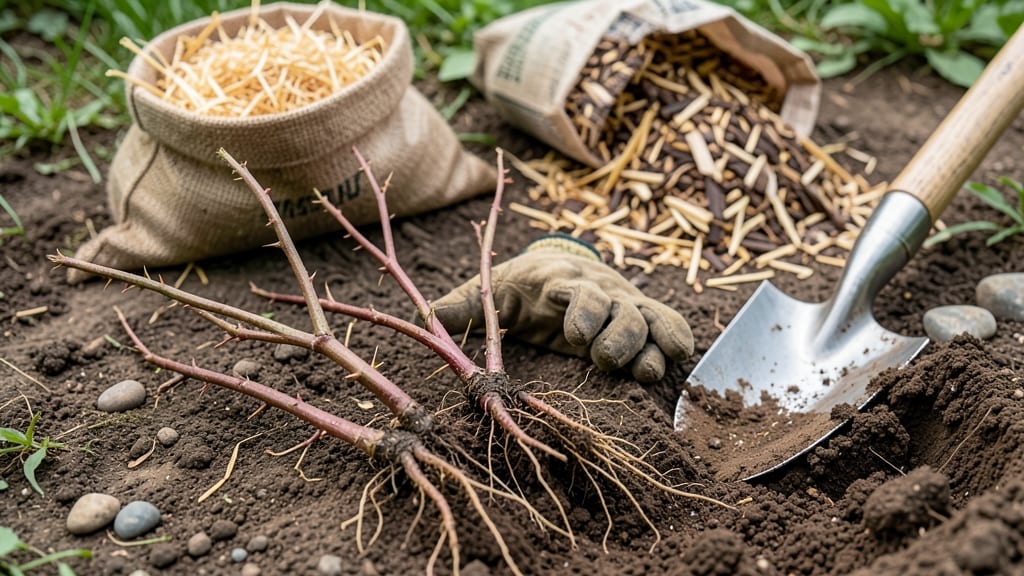
Planting blackberries in Georgia at the wrong time could mean waiting years for that first sweet 🫐 harvest—or worse, watching your bushes struggle to fruit at all.
The key isn’t just picking a season; it’s matching your variety’s chill-hour needs to Georgia’s unpredictable microclimates, from the Piedmont’s cooler nights to the Coastal Plain’s longer growing season.
Most gardeners in USDA zones 7b-8b swear by fall planting (September-October) because it gives roots time to establish before winter, but spring (February-March) works too—if you’re quick before the last frost hits.
The catch? Your blackberry type matters: low-chill varieties like ‘Natchez’ thrive with just 300-500 hours of cold, while high-chill ‘Ouachita’ needs 700+ hours to set fruit.
I’ll break down exactly when to plant each type in Georgia, plus how to prep soil and adjust for your region’s quirks—so you’re not left with bare canes by summer. Ready to turn your patch into a berry bonanza? Let’s get started.
Skip the guesswork: timing your blackberry planting right means bigger harvests, healthier bushes, and fewer wasted seasons. Whether you’re a first-timer or a veteran gardener, these insights will save you time—and a lot of frustration.
Best planting times for Georgia blackberries by chill-hour requirements
Georgia’s USDA zones 7b-9a create unique challenges for blackberry growers. Unlike northern climates, our mild winters mean most varieties need chill-hour precision to break dormancy and fruit reliably.
Plant outside these windows, and you risk poor bud set or no harvest at all. The key? Matching your chill-hour variety to Georgia’s regional frost dates.
Low-chill varieties (300-500 hours) thrive in Coastal Georgia’s warmer zones (8a-9a), while medium-chill (500-700 hours) and high-chill (700+ hours) types suit Piedmont’s cooler microclimates (7b-8a).
Even a 100-hour chill difference can mean the difference between abundant berries and bloom failure. Let’s break down the exact planting windows for each category.
For low-chill varieties (300-500 hrs), I recommend fall planting in September—this gives roots time to establish before Georgia’s mild winter. The Natchez variety, for example, thrives when planted in early October in Savannah (Zone 8b), where frost rarely arrives before mid-November.
If you miss fall, February planting works but requires consistent soil moisture to prevent transplant shock.
Medium-chill types (500-700 hrs) like Arapaho need cooler soil temps, so I plant mine in January in Athens (Zone 8a). This timing ensures 600+ chill hours before bud break. A common mistake?
Planting in late February—by then, soil temps may already be too warm, causing root stress. Use a soil thermometer to confirm temps are below 60°F at planting.
High-chill varieties (700+ hrs) are risky in most of Georgia but work in Zone 7b areas like Dahlonega. I’ve had success with Cheyenne planted in December, but only with heavy mulch (6+ inches) to protect roots.
These varieties won’t fruit reliably in Zones 8a and above—save them for northern Georgia’s cooler pockets. If you’re in Zone 8a+, stick to medium-chill types or risk poor pollination.
Pro tip: Use black plastic mulch in spring to warm soil faster for early planting. This helps low-chill varieties like Chickasaw break dormancy 2-3 weeks earlier than without it. Just remove the mulch after flowering to prevent overheating during fruit ripening. 🌱
One final warning: Never plant blackberries in summer—the intense heat causes transplant shock, and established roots can’t handle the stress. Even potted plants struggle in
How to adjust planting for Georgia’s microclimates and soil conditions
Georgia’s diverse microclimates—from the humid Coastal Plain to the cooler Piedmont region—require tailored blackberry planting strategies. The Piedmont, with its USDA Zone 7b-8a, often experiences earlier frosts, while the Coastal Plain (Zone 8a-9a) stays warmer longer.
These differences directly impact when and how you should plant to ensure root establishment before dormancy.
Start by testing your soil pH, which should ideally range between 5.5 and 6.5 for blackberries.
Georgia’s native soils often lean acidic or clay-heavy, so a simple home pH test kit ($10–$20) will reveal if amendments like lime (to raise pH) or sulfur (to lower pH) are needed. Drainage is equally critical—blackberries hate soggy roots, so amend heavy clay soils with compost or sand to improve aeration.
🌱 Georgia Planting Adjustments by Region
- 📅 Best Planting: Late February–March (bare-root) or September–October (potted)
- ❄️ Frost Risk: Higher; prioritize fall planting for root growth
- 🌱 Soil Prep: Add 2–3 inches compost + sand if clay-heavy
- 📅 Best Planting: January–February or October–November
- ❄️ Frost Risk: Lower; spring planting works if soil isn’t frozen
- 💧 Drainage: Critical; raise beds in low-lying areas to prevent waterlogging
For Piedmont gardeners, focus on fall planting (September–October) to give roots time to establish before winter. In the Coastal Plain, where winters are milder, you can plant as early as January, but avoid soggy soils.
If your soil drains poorly, consider raised beds or mounded rows—blackberries thrive with their roots slightly elevated to prevent rot.
Organic amendments like well-rotted manure or composted leaves improve soil structure and fertility. Work them into the top 12 inches of soil at planting time. Avoid fresh manure, which can burn roots and attract pests.
Pair this with a balanced fertilizer (10-10-10) applied lightly at planting and again in early spring to fuel new growth.
After planting, water deeply (1–1.5 gallons per plant) to encourage root spread. In the Piedmont, reduce watering in late fall to harden off plants before frost. Meanwhile, Coastal Plain blackberries may need consistent moisture through winter if rainfall is scarce.
Monitor soil moisture with your finger—it should stay evenly damp but not waterlogged.
Finally, protect young plants from winter winds in the Piedmont by planting near a windbreak (e.g., fence or hedge). In the Coastal Plain, watch for freeze warnings and cover plants with row fabric if temperatures dip below 25°F.
With these adjustments, your blackberries will establish strong roots and reward you with abundant harvests next season. 🫐