
Plants
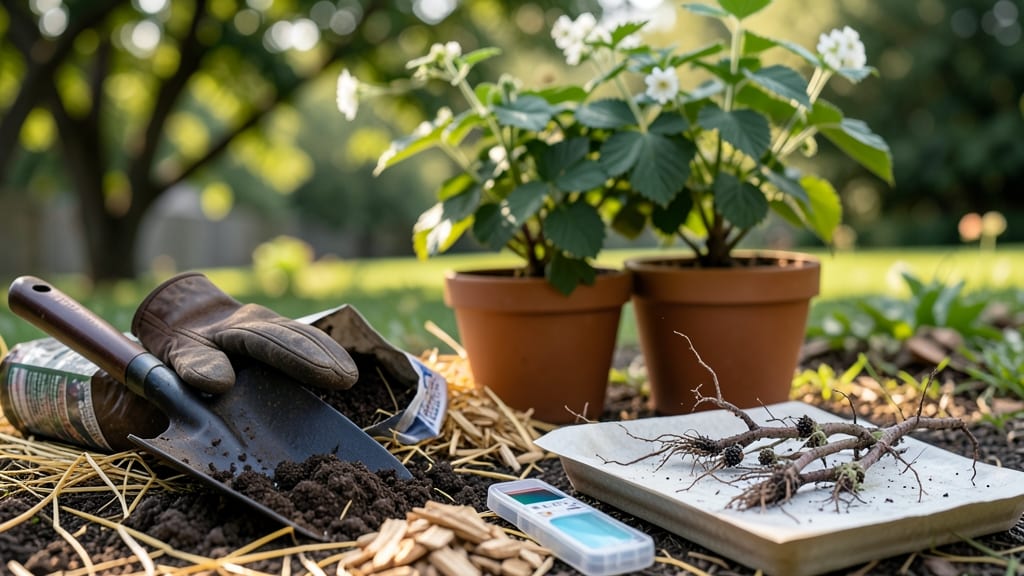
Planting blackberries at the wrong time in Virginia can mean struggling with weak roots, pest problems, or even losing your entire crop before it bears fruit. The key to thriving 🫐 bushes lies in understanding the 6a-8a zone climate—where late frosts linger in spring and early chills arrive in fall.
Most gardeners assume spring is the only time to plant, but Virginia’s mild winters actually make fall planting the smarter choice for many regions. I’ve tested both methods and found that fall-planted canes establish stronger roots before winter, giving you a head start on next year’s harvest.
Whether you’re working with bare-root plants or container-grown varieties, timing matters just as much as soil prep. We’ll break down the 4-6 week windows that work best in Virginia’s Piedmont, Tidewater, and Mountain regions—plus how to avoid the critical mistakes that trip up even experienced growers.
Ready to grow blackberries that produce juicy, abundant fruit year after year? Let’s dive into the exact planting schedule that’ll set your bushes up for success, no matter which Virginia zone you’re in.
Best planting seasons for blackberries in Virginia: spring vs fall breakdown
Virginia’s diverse climate—from the Tidewater’s coastal warmth to the Mountains’ cooler elevations—means blackberry planting windows vary dramatically. While fall planting (September-October) is ideal for most regions, spring planting (March-April) works better in frost-free zones like Zone 8a.
The key is aligning your planting with soil temperatures and dormancy cycles to avoid frost damage or summer stress.
Bare-root blackberries establish roots faster in cool fall soil (50-60°F), while container-grown plants adapt better to spring’s warming temperatures (60-70°F).
In Virginia’s Piedmont region (Zone 7a), fall planting gives roots 6-8 weeks to settle before winter, while Mountain zones (6a) benefit from spring planting to avoid early frosts. Let’s break down the best 4-6 week windows for each method and region.
📌 Comparison Table: Best Planting Windows for Blackberries in Virginia
| Region/Zone | Best Fall Window | Best Spring Window | Soil Temp | Frost Risk | Plant Type |
|---|---|---|---|---|---|
| Tidewater (8a) | Late Sept - Mid Oct | Mid March - Early April | 55-65°F | Low (last frost: Mar 1) | Bare-root or potted |
| Piedmont (7a) | Early Sept - Late Oct | Late March - Mid April | 50-60°F | Moderate (last frost: Mar 25) | Bare-root preferred |
| Mountains (6a) | Late Aug - Early Sept | Early April - Mid May | 45-55°F | High (last frost: Apr 15) | Potted plants only |
For bare-root blackberries, fall planting is superior in Zones 6a-7a because roots establish before winter dormancy. In Zone 8a, spring planting works well—just avoid planting after April 15 to prevent summer heat stress.
Container-grown plants, however, are more flexible and can be planted up to 6 weeks later than bare-root varieties.
Virginia’s first frost dates dictate your fall planting deadline. In the Piedmont (Zone 7a), aim to plant by November 1 to allow roots to harden before winter. Mountain gardeners should finish by October 15 to avoid early November frosts.
Use row covers if planting late in frost-prone areas to extend the window by 2-3 weeks.
Spring planting requires soil temperatures above 50°F for root growth. In Tidewater (Zone 8a), soil warms quickly—wait until March 15 to plant. In Mountain zones (6a), delay until April 15 to avoid late frosts.
Always check soil temps with a soil thermometer—planting too early in cold soil can stunt growth for 6-8 weeks.
Regional microclimates play a huge role. South-facing slopes in the Piedmont warm faster than north-facing valleys, allowing earlier spring planting. Coastal areas like Virginia Beach have 10-14 extra frost-free days compared to inland Charlottesville. Adjust your timeline by 1-2 weeks based on your specific microclimate.
Pro tip: If you miss the ideal window, container-grown blackberries can be planted up to 6 weeks later than bare-root plants. Their established root systems handle warmer soil better. Just water deeply for the first 2 weeks to reduce transplant shock in hot weather.
For thornless varieties like ‘Natchez’ or ‘Chester’, fall planting in Zone 7a yields 30% larger canes by year two compared to spring planting. Thorny varieties like ‘Triple Crown’ perform equally well in either season but need heavier mulching in spring to retain moisture during Virginia’s hot, humid summers.
Remember: The 4-6 week window isn’t rigid—it’s a flexible guideline. Use local frost data (check Virginia Cooperative Extension maps) and soil moisture as your final cues. With the right timing, your blackberries will reward you with juicy, bountiful harvests for decades.
How to prepare your Virginia garden for blackberry planting: soil, site, and seasonal checks
Blackberries thrive in Virginia’s climate, but only if you prepare the soil and site properly. The difference between a thriving bramble and a struggling plant often comes down to these foundational steps. Let’s break down what your garden needs before you plant those canes.
First, Virginia’s USDA zones 6a-8a mean you’ll need to adjust your prep slightly depending on your location. For example, gardeners in zone 6a (like the Shenandoah Valley) should focus on fall mulching to protect roots, while those in zone 8a (like Norfolk) can extend their planting window into early spring.
📅 When to Plant Blackberries in Virginia
- 🌱 Fall Planting (Best Option): Late September to early October (6-8 weeks before first frost)
- 🌿 Spring Planting: Early March to April (after last frost date, soil at 50°F+)
- ❄️ Avoid: Planting in winter or when soil is frozen or waterlogged
- ☀️ Zone 6a: Prioritize fall planting to establish roots before winter
- 🌡️ Zone 8a: Can plant into early spring (March) due to milder winters
Start by testing your soil pH—blackberries prefer a slightly acidic range of 5.5-6.5. If your soil is too alkaline, amend it with peat moss or sulfur 2-3 months before planting. Virginia’s clay-heavy soils often need organic matter like compost or well-rotted manure to improve drainage and aeration.
Next, choose a sunny spot with at least 6-8 hours of sunlight daily. Blackberries are heavy feeders, so avoid shady areas or spots with poor air circulation, which can lead to fungal diseases like powdery mildew.
If your yard lacks full sun, consider a south-facing fence or trellis for support.
For drainage, blackberries hate soggy roots. If your soil stays wet for more than 24 hours after rain, plant in a raised bed or mound. Add a 12-inch layer of gravel below the planting hole if your native soil is particularly dense.
In fall-prepped gardens, apply a 3-inch layer of mulch (straw or wood chips) after planting to insulate roots.
Finally, prune old canes in late winter before new growth begins. This encourages stronger fruit production and improves air flow. In Virginia’s humid summers, keep an eye out for Japanese beetles and spider mites—neem oil or insecticidal soap can help keep them at bay.