
Plants
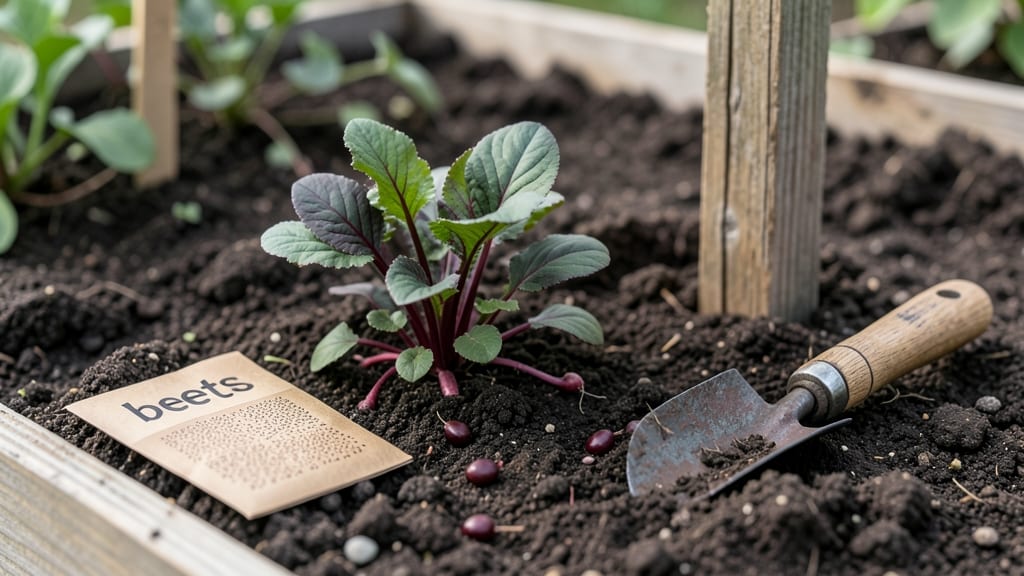
Timing your 🍠 beet planting in Arizona isn’t just about avoiding the blazing sun—it’s about unlocking sweet, tender harvests when most gardens are wilting. Skip the summer heat, and you’ll grow beets that stay juicy and flavorful, not bitter or bolted before they mature.
Here’s the secret: Arizona’s cool-season windows—from October through March—are your best bet for thriving beets. Whether you’re in Phoenix or the high desert, planting during these months lets you sidestep the extreme heat that turns beet greens to mush and roots to wood.
But don’t wait too late—once temperatures creep above 80°F, even shade cloth won’t save your crop.
I’ve learned the hard way that succession planting is the game-changer for Arizona growers. Stagger your sowings every 3–4 weeks from fall to early spring, and you’ll enjoy a steady supply of beets from December through May.
It’s the only way to beat the desert’s unpredictable swings from monsoon rains to bone-dry winds.
Ready to dive in? I’ll walk you through the exact months to plant, how to prep your alkaline soil, and even which beet varieties handle Arizona’s climate like a pro. Let’s get those roots growing!
Best planting windows for beets in Arizona’s climate zones
Arizona’s three distinct climate zones—low desert (Phoenix), high desert (Flagstaff), and transition areas—create unique challenges for growing beets. Unlike cooler climates, Arizona’s intense summer heat forces precise timing to avoid bolting (premature flowering) and poor yields. The key? Plant when soil temps stay below 75°F and days are shorter.
In the low desert (USDA Zone 9b), where temperatures soar above 100°F in summer, beets thrive only in fall and winter. High desert areas (Zone 7a) enjoy slightly cooler summers, allowing a spring planting window too.
Transition zones (like Tucson) blend both strategies. Let’s break down the exact months and soil conditions for each zone.
For low desert gardeners, the September–October window is ideal because soil stays warm enough for germination but cools as winter approaches. Aim to sow seeds 4–6 weeks before first frost—though Arizona rarely freezes, cooler temps slow growth and reduce bolting risk.
In February–March, you can attempt a spring crop, but be prepared to use shade cloth if temperatures climb above 80°F.
High desert areas like Flagstaff enjoy a spring planting advantage. March–April sowings benefit from cooler nights and longer daylight, while August–September plantings take advantage of monsoon-cooled soil. However, avoid planting after May 15, as days grow too long, triggering bolting.
Use row covers to extend the season by 2–3 weeks in both spring and fall.
Transition zones (e.g., Tucson) blend both strategies. Focus on October–November for fall crops and February–March for spring. These zones can handle slightly warmer soils (70°F max) but still require consistent moisture to prevent woody roots. Choose heat-tolerant varieties like 'Detroit Dark Red' or 'Golden' if extending into late spring.
Regardless of zone, soil temperature is your best indicator. Use a soil thermometer to confirm temps are below 75°F before planting. Arizona’s alkaline soils (pH 7.5–8.5) also demand amendment with compost or sulfur to reach the ideal pH 6.0–7.0. Test your soil 2 weeks before planting to avoid delays.
Pro tip: Succession planting every 2 weeks in fall and spring ensures a continuous harvest. For example, sow a batch in late September, another in mid-October, and a final one in early February for a December–April harvest.
This strategy works in all Arizona zones but requires consistent watering during dry spells.
Remember, beets hate heat—even 60°F soil temps can stress seedlings. If you’re tempted to plant in late spring, pair seeds with 30% shade cloth and monitor daily.
The goal is to keep foliage below 75°F at all times. With these windows, you’ll enjoy sweet, tender beets without the bitterness of summer-grown roots.
Start planning now! Mark your calendar for September 15 and February 1 as your primary planting dates, then adjust based on your local microclimate. Happy growing—your garden’s bold harvests
How to extend beet growing seasons in Arizona heat
Arizona’s 100°F+ summers can turn your beet plants into bitter, bolted messes—but don’t give up! With smart strategies, you can grow sweet, tender beets nearly year-round. The key? Combating heat stress through shade, mulch, and strategic planting. Let’s break down my proven methods for heat-resistant beet production in the desert.
First, choose heat-tolerant varieties like ‘Detroit Dark Red’ or ‘Golden’, which handle Arizona’s spring heat spikes better than standard types. Pair these with succession planting schedules that keep your harvests flowing from fall through spring. Here’s how I extend my beet season by 4-6 months:
-
Shade Cloth Strategy
Use 30-50% shade cloth during May-July to reduce soil temps by 10-15°F. Install 18" above plants to prevent fungal issues from trapped moisture. -
Mulching Methods
Apply 4-6" of straw mulch to retain 60% more moisture and keep roots 10°F cooler. Replenish after rainstorms to maintain coverage. -
Succession Planting
Sow new seeds every 2 weeks from September-March for continuous harvests. Use row covers for late-March plantings to protect from heat waves. -
Heat-Resistant Varieties
‘Detroit Dark Red’ tolerates 90°F+ temps better than ‘Babybeat’. For summer trials, try ‘Golden’, which bolts 10 days later than standard types.
For high-desert areas (like Flagstaff), you can push plantings into early April when soil temps stay below 75°F. In low-desert zones (Phoenix), stop sowing by mid-March—any later risks bolting. My trick? Plant shade-tolerant varieties under drip irrigation to avoid wetting foliage during monsoon season.
Don’t forget to harvest small (1-2" diameter) during heat waves—this prevents woodiness and encourages new growth. I’ve had success with container growing on patios, where I move pots under shade sails during afternoon heat. This lets me grow beets 3 months longer than in-ground plantings.
With these techniques, I’ve extended my beet harvest from 3 months to nearly 9 months per year. The secret? Adaptability—watch your plants, adjust your timing, and never let the desert win. Your taste buds (and dinner table) will thank you!