
Plants
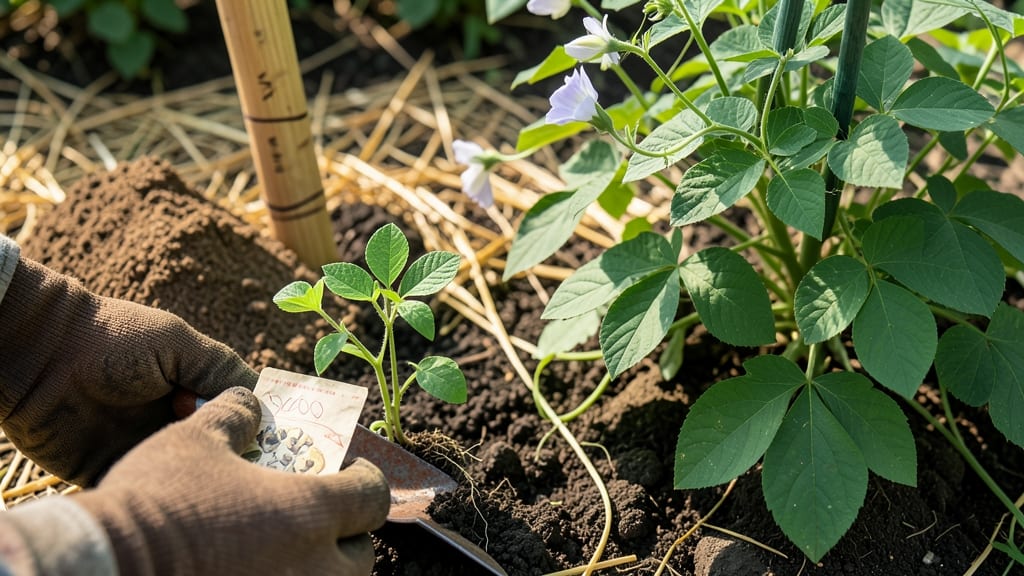
Planting beans in Minnesota isn’t just about dropping seeds in the dirt—it’s about mastering the timing to avoid frost damage and maximize your harvest.
With last frost dates shifting dramatically from zone 4a in the north to zone 5a in the south, getting it right means the difference between a bountiful summer and a sad, wilted disappointment.
I’ve spent years growing beans in Minnesota’s unpredictable climate, and the key is knowing when to plant based on your specific county.
Whether you’re in Duluth or Rochester, the mid-May to early June window is your best bet—but soil temperature and weather patterns can throw a wrench in even the best-laid plans.
In this guide, I’ll break down exactly when to plant beans in Minnesota, including county-specific frost dates and how to adjust for late springs or early frosts. You’ll also discover the best varieties for your region and how to extend your growing season for a longer harvest.
No more guessing games—just proven strategies to help your beans thrive from seed to pod. Let’s get started!
Minnesota bean planting zones: when to start by county and last frost dates
Minnesota’s diverse climate zones mean your bean planting schedule should depend on where you live. Northern counties like Cook and St. Louis face late frosts, while southern areas like Olmsted and Waseca can start earlier. Understanding these last frost dates is key to avoiding frost damage and maximizing your harvest.
Beans—whether bush beans, pole beans, or lima beans—thrive in warm soil (50°F+) and cannot tolerate frost. Planting too early risks stunted growth, while waiting too long shortens the growing season.
Below, I’ve broken down average last frost dates by county, along with historical extremes, to help you plan with confidence.
Pro Tip: Always check the soil temperature (not air temperature) before planting. Use a soil thermometer—beans need at least 50°F for 7+ days to germinate properly. In cooler zones, opt for early-maturing varieties (e.g., 'Blue Lake Bush') to ensure a harvest before fall frosts arrive.
For northern Minnesota (USDA zones 4a-4b), like Cook and St. Louis counties, wait until mid-June to plant beans. These areas experience late frosts, and rushing your planting can lead to frost-killed seedlings. Use row covers or plant in black plastic mulch to warm the soil faster.
In southern Minnesota (USDA zones 5a-5b), such as Olmsted and Mower counties, you can start as early as mid-May. However, even here, a late frost isn’t unheard of—historical records show frosts as late as May 20 in these regions.
Always have a backup plan, like a cold frame, for early plantings.
If you’re in a transition zone (e.g., Hennepin or Ramsey counties), aim for late May plantings. For extra protection, sow seeds in biodegradable pots and place them in a warm, sunny spot until the soil is consistently warm. This bu
How to adjust your planting schedule for Minnesota’s unpredictable weather patterns
Minnesota’s weather can throw even the most experienced gardeners for a loop—one day it’s warm enough to plant beans, the next you’re shoveling snow. The key to success is flexibility. Adjusting your planting schedule based on soil temperature, not just air temperature, can save your bean harvest.
Even a few degrees difference can mean the difference between thriving plants and frost-nipped seedlings.
When frost dates seem unreliable, I rely on three strategies: soil thermometers, row covers, and cold-hardy varieties. These tools let me push planting windows earlier or later without risking my entire crop.
For example, in northern Minnesota, I’ve planted beans safely as early as late April using black plastic mulch to warm the soil, while in the southern tier, I might wait until mid-June to avoid summer heat stress.
🌱 5 Ways to Adjust Your Bean Planting Schedule
- 🌡️ Wait for soil temps of 50°F+ (use a soil thermometer)—beans won’t germinate in cold soil, even if air temps are warm.
- 🛡️ Use floating row covers to plant 2-3 weeks earlier—they protect young plants from late frosts while letting sunlight through.
- 🌱 Choose cold-tolerant varieties like 'Provider' or 'Kentucky Wonder', which handle 40°F+ temps better than standard types.
- 🔥 Extend the season with black plastic mulch—warms soil 5-10°F faster than bare ground, letting you plant earlier.
- 📅 Plant succession crops every 2 weeks in June/July for continuous harvests, even if early plantings fail.
One of my biggest mistakes was planting beans in early May based on air temperature alone—only to lose everything to a late frost. Now, I test soil temperature daily and use a soil thermometer ($15 at garden centers) to confirm readiness.
Beans need consistent warmth to germinate, and cold, damp soil can rot seeds before they sprout.
For gardeners in Zone 4a (northern MN), I recommend starting seeds indoors 4-6 weeks before your average last frost date, then transplanting after soil warms. Use biodegradable pots to avoid disturbing roots.
In Zone 5a (southern MN), you can often direct-sow after Mother’s Day, but always have row covers on hand for unexpected chills.
Don’t forget about microclimates—south-facing slopes warm up faster than shaded areas. I’ve planted beans successfully on a sunny hillside in early May when my lower garden was still too cold. Even a 6-inch difference in elevation can create a 2-3°F warmer microclimate, giving you an earlier start.
If all else fails, stagger your plantings. Sow a small batch every 10-14 days from late May through early July. This way, if one planting gets nipped by frost, you’ll still have multiple harvests throughout the summer.
It’s extra work, but it’s the secret to a reliable bean harvest in Minnesota’s fickle climate. 🌱