
Plants
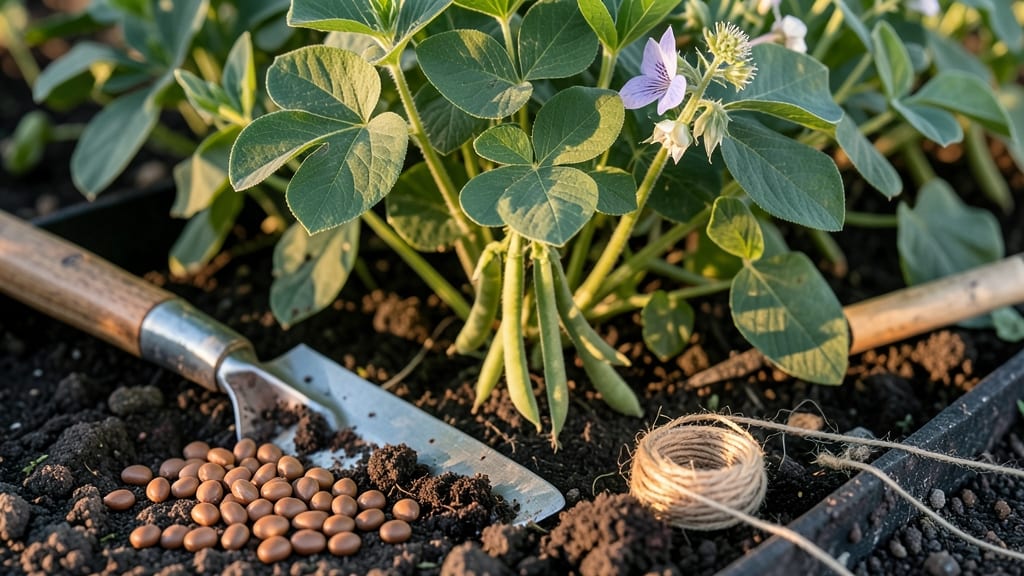
To plant fava beans in Zone 6 and unlock a delicious early harvest, timing is everything—especially since these cold-hardy crops thrive in winter's chill but hate late-season heat.
Unlike heat-loving veggies, fava beans love frost and can even handle light freezes, but planting too early risks stunted growth, while waiting too late means missing peak flavor. Here’s the exact schedule to balance those risks and get the most from your 🌱 fava bean patch.
Zone 6’s first frost date (October 15) is your secret weapon—planting in late summer (around August) gives seedlings time to establish roots before winter, while spring planting (after April 15) ensures they mature before summer’s heat sets in.
The key? Soil temps above 40°F and well-drained beds to prevent rot, whether you’re aiming for a winter harvest or a summer crop.
Succession planting works too: sow a second batch in early spring (March) for a staggered harvest, or stretch your fall window into September for a late-winter crop. Just avoid planting when nights dip below 35°F, or your seeds may refuse to germinate.
With these tweaks, you’ll turn Zone 6’s unpredictable climate into your fava bean advantage.
Ready to dive deeper? I’ll walk you through the exact dates, soil prep, and frost-proofing tips to guarantee a bumper crop—no guesswork, just reliable results. Let’s get those beans in the ground the right way.

Optimal planting windows for fava beans in Zone 6
Fava beans are one of the most cold-hardy vegetables you can grow in Zone 6, thriving when many other crops struggle. Their ability to tolerate light frost makes them perfect for both fall and spring planting.
However, getting the timing right ensures healthy seedlings and a bountiful harvest. In Zone 6, where average last frost dates fall around mid-April and first frosts arrive by mid-October, precise scheduling is key.
Unlike heat-loving crops, fava beans actually prefer cooler temperatures for germination and growth. Ideal soil temperatures for planting range between 40°F and 60°F. If you plant too early, seedlings may rot in cold, wet soil.
Too late, and you risk stunted growth before frost. The secret lies in planting when soil temperatures stabilize but before extreme heat sets in.
📋 Here’s your actionable planting schedule:
For fall planting, aim to sow seeds by mid-September at the latest to ensure pods mature before hard frosts. Young plants can handle temperatures down to 25°F, but mature pods may suffer if exposed to prolonged freezing.
In Zone 6, this means harvesting before mid-October for fall crops. If you plant in late August, expect harvests as early as October, perfect for extending your fresh produce supply.
Spring planting offers a second chance for harvests. Start seeds indoors 4-6 weeks before your last frost date (around mid-February in Zone 6) or sow directly outdoors once soil temperatures reach 40°F. Direct sowing after April 15 gives plants enough time to mature before summer heat slows growth.
For best results, choose early-maturing varieties like 'Aquadulce Claudia' or 'Early Bird', which can produce pods in just 60-80 days.
One of my favorite tricks is succession planting every 2-3 weeks in spring to ensure a continuous harvest. Since fava beans take 60-120 days to mature, staggered plantings prevent all your pods from ripening at once.
This method also helps manage space efficiently, especially in smaller gardens where vertical growth can reach 4-6 feet. Just be sure to leave 8-12 inches between plants to prevent competition.
Soil preparation is just as critical as timing. Fava beans prefer well-draining soil with a pH between 6.0 and 7.5. Before planting, mix in 2-3 inches of compost to improve fertility and structure.
Unlike nitrogen-hungry crops, fava beans actually fix nitrogen in the soil, making them excellent predecessors for heavy feeders like corn or tomatoes. This means you can plant them in the same spot every year without fear of depletion.
If you're new to growing fava beans, start small with a 5-foot row to test your timing. Mark your planting dates on a garden calendar and note which windows yield the best results. Over time, you'll develop a rhythm that aligns perfectly with Zone 6's climate quirks.
Remember, the key to success lies in observing soil temperatures, protecting young plants from frost, and harvesting at the right stage—when pods are firm but still tender.
With these precise planting windows, you'll enjoy fresh, homegrown fava beans from late fall through early summer. The secret? Treat them like the cold-hardy champions they are, and they'll reward you with a harvest that's both nutrient-rich and deliciously satisfying. 🌱
How to adjust planting for early vs. late harvests in Zone 6
Zone 6’s variable frost dates let you grow fava beans for both winter harvests (fall-planted) and summer harvests (spring-planted). The key is adjusting your schedule to match your goals—whether you want tender pods in January or a July-August bounty.
I’ll show you how to time it perfectly for both scenarios, plus how to stretch your season with simple tools like row covers.
For early winter harvests, plant fava beans in late summer (August) to early fall (September). This gives them time to establish roots before the ground freezes, then they’ll sprout and produce pods as soon as temperatures warm in late winter or early spring.
If you’re aiming for a summer harvest, wait until March or April—just after your last frost date—to plant for a June-July harvest window.
Plant in August-September for pods by January-March
Plant in March-April for pods by June-July
Sow every 2-3 weeks in spring for staggered harvests
Use floating row covers to push fall planting to October or spring planting to May
Add compost before planting to boost cold tolerance
If you’re planting for a winter harvest, aim to get seeds in the ground 6-8 weeks before your first frost (typically by September 15th in Zone 6). This gives seedlings time to germinate before cold sets in.
For a summer harvest, wait until soil temperatures hit 40°F—usually mid-March—to avoid rot. I’ve found that planting in late March gives me a July harvest just as other gardens are wilting in the heat.
For succession planting, try sowing new seeds every 2-3 weeks in spring. This ensures a steady supply of fresh pods from June through August. In my garden, I mark planting dates on a calendar and set reminders—it’s easy to forget once the busy growing season kicks in!
Pair this with row covers to extend your season by 3-4 weeks in both directions (fall and spring).
Don’t overlook soil preparation—fava beans thrive in cool, moist conditions but struggle in soggy soil. Amend your beds with compost and avoid heavy fertilizers, which can burn tender seedlings.
I’ve had the best luck with a light top-dressing of compost at planting time. Mulch with straw to retain moisture and regulate soil temperature, especially in fall plantings.
Pro tip: If you’re experimenting with fall planting, try a small test patch in October with row covers. You might be surprised how well they perform—some years, I’ve gotten harvestable pods in December with this method!
Just remember to remove covers during the day in warmer spells to prevent overheating.