
Plants
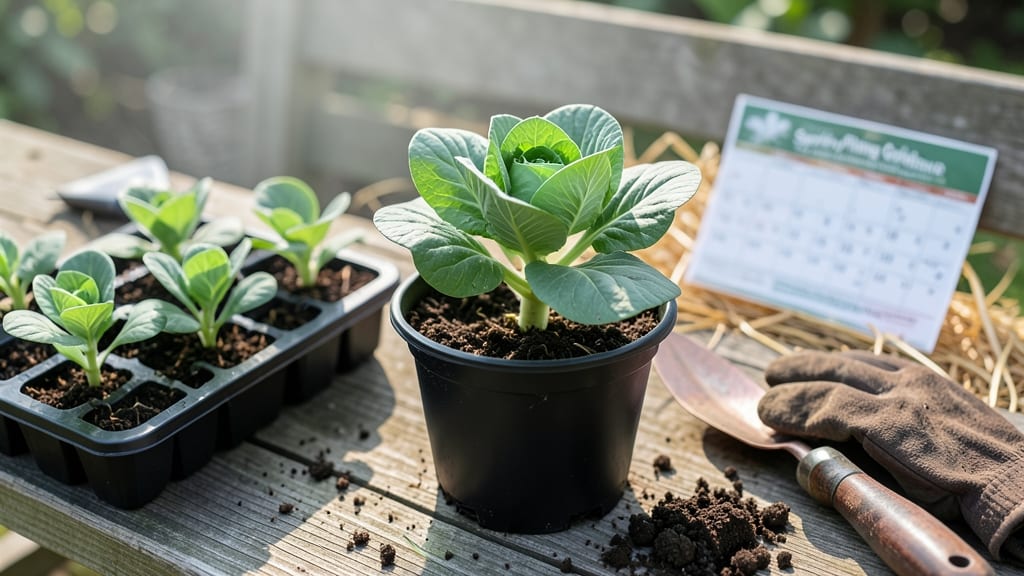
Timing your 🥬 cabbage planting in Indiana can mean the difference between a bumper crop and a sad, wilted disappointment—especially when frost sneaks in earlier than expected.
With Indiana’s USDA Zone 6a climate, getting your seeds in the ground just right is the key to avoiding bolted greens or stunted heads.
Most gardeners here swear by the March 15–April 15 window for spring plantings, but the real magic happens when you account for soil temperature and last-frost dates. Skip the guesswork and learn exactly when to start seeds indoors or transplant seedlings for foolproof results—no more racing against Mother Nature.
Fall plantings are just as critical, with July 15–August 15 offering the sweet spot for a late-season harvest. We’ll break down how to adjust for Indiana’s microclimates, whether you’re in a frost-prone valley or a warmer urban pocket, so your 🥬 cabbage thrives from seed to harvest.
Ready to stop second-guessing and start planting with confidence? Let’s dive into the exact steps—from frost dates to soil prep—that’ll have your cabbage heads plump and ready by June or October, no matter what Indiana throws your way.
Indiana cabbage planting calendar: frost dates and ideal windows
Indiana’s USDA Hardiness Zones 5b-6a create a unique challenge for cabbage growers—cool springs and warm summers demand precise timing. The state’s average last frost date falls around April 15, while the first frost typically arrives October 15.
These dates serve as your planting anchors, but microclimates can shift windows by 2-3 weeks in either direction.
For head cabbage varieties like Golden Acre or Jersey Wakefield, you’ll want to focus on two planting windows: early spring (March-April) for summer harvests and mid-summer (July-August) for fall production. Bok choy and Savoy cabbage are more flexible but still benefit from these timing guidelines to avoid bolting or frost damage.
Here’s the critical planting calendar tailored to Indiana’s climate, including frost dates by region and variety-specific recommendations:
For spring plantings, aim to have cabbage heads ready to harvest by mid-July to avoid the heat of summer, which can cause bolting. Start seeds indoors 6-8 weeks before your last frost date or purchase hardened-off seedlings from local nurseries in early April.
If you’re direct-sowing, use biodegradable pots to protect seedlings from cutworms—a common Indiana pest.
Fall plantings require even more precision. Seedlings transplanted in late July should mature by October, giving you a harvest before frost. Use row covers or cold frames to extend your fall season by 2-3 weeks, especially in northern Indiana where frost arrives earlier.
Bok choy is your best bet for a late-season harvest—it tolerates cooler temperatures and matures in just 30-45 days.
Indiana’s soil temperature is another critical factor. Cabbage seeds won’t germinate well below 45°F, so wait until late March or early April for direct sowing. Use a soil thermometer to confirm—planting too early in cold soil leads to poor germination and leggy seedlings.
For northern Indiana growers, consider using a mini greenhouse or cloche to warm the soil and jumpstart your spring crop.
One common mistake in Indiana is planting cabbage too late in spring, only to see it bolt before forming heads. To avoid this, space out plantings every 2 weeks from March through April for a staggered harvest.
For fall crops, prioritize fast-maturing varieties like Toy Choy or Early Jersey Wakefield to ensure they reach maturity before frost. Always check your local Indiana State Climate Office for updated frost predictions—these can vary 5-7 days from the averages.
Pro tip: Mark your cabbage planting dates on a garden calendar and include moon phases for optimal growth. Many Indiana growers swear by planting during the waxing moon for stronger root development.
Pair this with compost-rich soil and consistent watering, and you’ll be rewarded with crisp, flavorful heads all season long.
How to adjust planting times for Indiana’s microclimates
Indiana’s diverse landscapes—from urban heat islands to rural valleys and elevated hilltops—create microclimates that can shift your cabbage planting windows by weeks. A north-facing backyard in Indianapolis might stay frost-free 10 days longer than a low-lying field in southern Indiana.
Understanding these variations lets you extend your growing season and avoid wasted effort.
For example, urban areas like Fort Wayne often experience earlier soil warming due to pavement heat retention, while rural farmland in northern Indiana may need cold-frame protection until May.
Elevated gardens above 1,000 feet (common in the Hoosier National Forest region) can face 1-2 weeks of delayed frost compared to valley floors. Let’s break down how to adapt your planting timeline for these conditions.
- Urban Gardens: Plant 2 weeks earlier (late March) due to heat island effect. Use row covers for nighttime protection.
- Rural Lowlands: Wait until soil reaches 45°F (mid-April) and use black plastic mulch to warm soil faster.
- Elevated Areas: Extend fall planting to early September—these zones often have later first frosts.
- Cold Frames: Start late-summer seedlings (August) in cold frames for October harvests before hard frost.
- Frost-Free Tricks: Choose fast-maturing varieties (e.g., 'Golden Acre') for late August sowings in protected microclimates.
To fine-tune your approach, test soil temperature daily using a soil thermometer—cabbage roots thrive at 45°F+. In urban settings, monitor pavement heat by checking if nearby lawns are drying out earlier than rural areas.
For rural gardens, watch for morning frost pockets in valleys and plant uphill slopes first.
For elevated gardens, consider high-altitude varieties like 'Blue Vantage' cabbage, which tolerates cooler temperatures better than standard types. In these areas, fall planting can stretch into early September—just cover seedlings with frost cloth if nights dip below 32°F.
Always check local frost records from Purdue Extension’s Indiana Climate dashboard for your specific county.
Pro tip: Direct-sow in urban containers by April 1st—pots warm up 3-5°F faster than garden soil. In rural areas, use straw mulch to insulate soil and prevent temperature swings.
For late-season extensions, try low tunnels over seedlings planted in mid-August—this can add 4-6 weeks to your harvest window.
Remember, microclimate adjustments aren’t just about dates—they’re about plant placement too. Position heat-loving varieties near south-facing walls in urban gardens, while shade-tolerant types (like bok choy) thrive in rural wooded edges. With these tweaks, you’ll turn Indiana’s climate quirks into harvest advantages.