
Plants
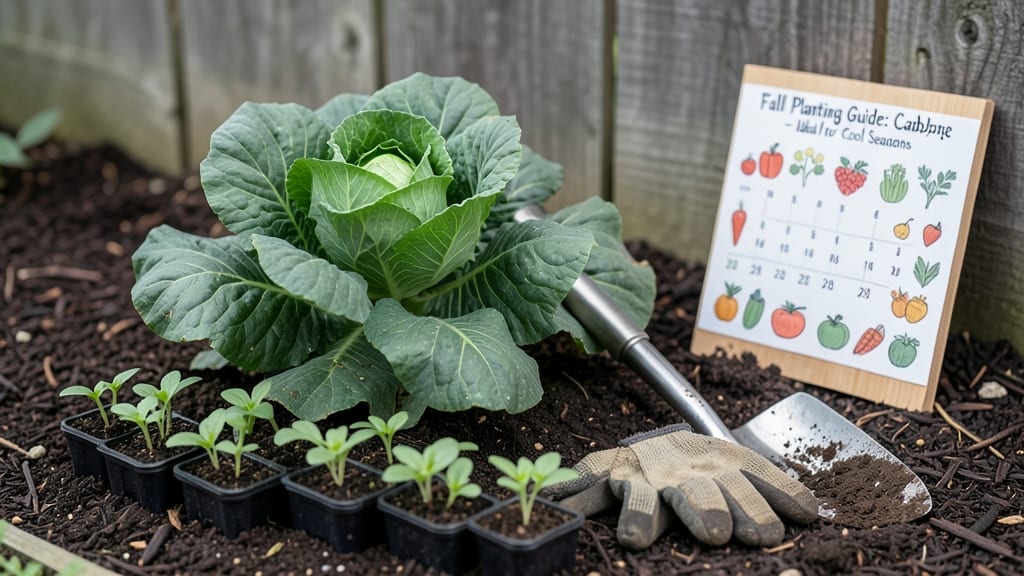
Planting cabbage in South Carolina’s 7b-8a zones feels like walking a tightrope—too early, and you’ll face bolting; too late, and your harvest won’t make it past summer’s heat. But timing is everything for crisp, zero-bolt heads, especially when comparing Coastal Charleston’s humidity to Piedmont Greenville’s cooler nights.
The key is knowing exactly when to start seeds indoors or set out transplants, whether you’re aiming for a May-June spring crop or a fall harvest in October-November.
I’ve tested these windows for years, and the difference between a thriving garden and a failed one often comes down to these critical weeks before your first frost.
Most gardeners in South Carolina focus on the February-March window for spring cabbage, but late summer’s July-August planting can yield fall harvests—if you adjust for heat stress. I’ll break down the exact dates for both regions, plus how to tweak your approach for containers or microclimates.
Ready to avoid the #1 mistake that ruins cabbage crops? Let’s dive into the planting schedule that actually works for your zone, so you can enjoy homegrown 🥬 from spring through fall without the guesswork.
South Carolina cabbage planting calendar: Coastal vs Piedmont timing for zero-bolt success
South Carolina’s climate creates two distinct growing zones for cabbage: the humid Coastal Plain and the cooler Piedmont region. These zones have different frost dates and heat tolerance thresholds, meaning your planting window can vary by 6-8 weeks depending on location.
In the Coastal zone (e.g., Charleston), warm soil arrives earlier, while the Piedmont (e.g., Greenville) stays cooler longer. Understanding these differences is key to avoiding premature bolting or stunted growth.
Bolting—the unwanted flowering of cabbage—occurs when plants experience heat stress above 80°F or cold snaps below 30°F. Coastal gardeners must plant earlier to escape summer heat, while Piedmont growers can extend their season into late spring.
The solution? A two-season approach: fall/winter for Coastal areas and spring/early summer for Piedmont. Let’s break down the exact timing for each zone to ensure crisp, zero-bolt heads all season.
📅 Key Dates to Remember:
- Coastal Zone: Last frost March 1-15, first frost November 15-30
- Piedmont Zone: Last frost March 15-30, first frost October 31-November 15
- Heat Threshold: Avoid planting when daytime temps exceed 85°F for more than 2 weeks.
🌱 Why Timing Matters: Cabbage thrives in cool weather (50-75°F). Plant too early in the Coastal zone, and you’ll face spring heat waves; too late in the Piedmont, and you’ll miss the fall harvest window. The goal is to time your planting so cabbage matures before summer’s peak heat or before the first frost. Below is a side-by-side comparison to help you plan.
📊 Comparison Table: Coastal vs Piedmont Planting Windows
| Planting Window | Coastal Zone (Charleston, Myrtle Beach) | Piedmont Zone (Greenville, Columbia) | Key Notes |
|---|---|---|---|
| Early Fall (Fall Harvest) | August 15 - September 15 | September 1 - September 30 | Start seeds indoors 6-8 weeks before transplanting. Use shade cloth if temps exceed 80°F. |
| Late Fall (Winter Harvest) | September 15 - October 15 | October 1 - October 15 | Transplant 4-6 week-old seedlings. Mulch heavily to protect from freezing temps. |
| Early Spring (Spring Harvest) | February 15 - March 15 | March 1 - March 15 | Sow seeds directly or transplant after last frost. Use row covers for early starts. |
| Late Spring (Summer Risk) | March 15 - April 15 | April 1 - April 15 | High bolting risk. Choose heat-tolerant varieties like ‘Golden Acre’ or use drip irrigation to keep soil cool. |
| Harvest Window | October - December | November - January | Harvest before heads split or bolt. Store in cool (32-35°F) for up to 2 weeks. |
🌱
For Coastal gardeners, the August-September window is critical. Planting too late in the summer risks bolting from heat, while starting too early may expose seedlings to spring heat waves. My trick? Use shade cloth (30-50%) during the hottest months to buy extra time.
In the Piedmont, you’ve got a slightly longer window, but don’t wait past mid-March for spring planting—soil warms quickly, and bolting becomes a real threat.
If you’re growing cabbage in containers or raised beds, adjust your timing by 1-2 weeks earlier in both zones. Containers heat up faster and dry out quicker, so they need a head start.
For example, Coastal container gardeners should start seeds by August 1 instead of mid-August. Always use well-draining soil mixed with compost to prevent root stress, which also triggers bolting.
🌡️ Pro Tip for Avoiding Bolting: Monitor your soil temperature—it should stay between 50-75°F for optimal growth.
How to adjust cabbage planting for South Carolina’s microclimates (Coastal heat vs Piedmont frost)
South Carolina’s Coastal Plain and Piedmont regions create wildly different growing conditions for cabbage. In Charleston, humid heat can trigger bolting by June, while Greenville’s cooler nights extend your harvest window. The key? Adjusting your planting schedule and soil prep to match your microclimate’s quirks.
For Coastal gardeners, focus on late summer transplants (August-September) to avoid heat stress. Piedmont growers, meanwhile, can push spring planting into early April without frost worries. Both regions benefit from shade cloth during peak summer months to prevent bolting.
⚠️ callout-warning ⚠️
Charleston’s 90°F+ days force cabbage into bolting mode by early June. Solution: Use 30% shade cloth from May onward. Piedmont gardeners face late frosts—wait until soil hits 50°F before transplanting.
Start with rich, well-draining soil (pH 6.5-7.0) amended with compost. Coastal areas need extra organic matter to combat sandy soils, while Piedmont clay benefits from gypsum for better drainage. Both regions should mulch heavily to maintain even moisture—critical for head formation.
Transplant 4-6 week old seedlings at 18-inch spacing in both zones, but time it differently. Coastal gardeners should aim for late August transplants, while Piedmont growers can start in mid-March. For fall harvests, Coastal areas can try September sowings with row covers for frost protection.
Watch for bolting signs: elongated stems, yellowing leaves, or flower stalks. If caught early, prune the central stem and reduce watering to force leaf regrowth. For extreme heat (Coastal) or cold snaps (Piedmont), shade cloth or frost blankets can buy you 2-3 extra weeks of growing time.
With these adjustments, you’ll extend harvests from May to November—Coastal gardeners can enjoy fall crops while Piedmont growers get early spring and late fall harvests. The secret? Listen to your microclimate and adapt like a pro. 🌱