
Plants
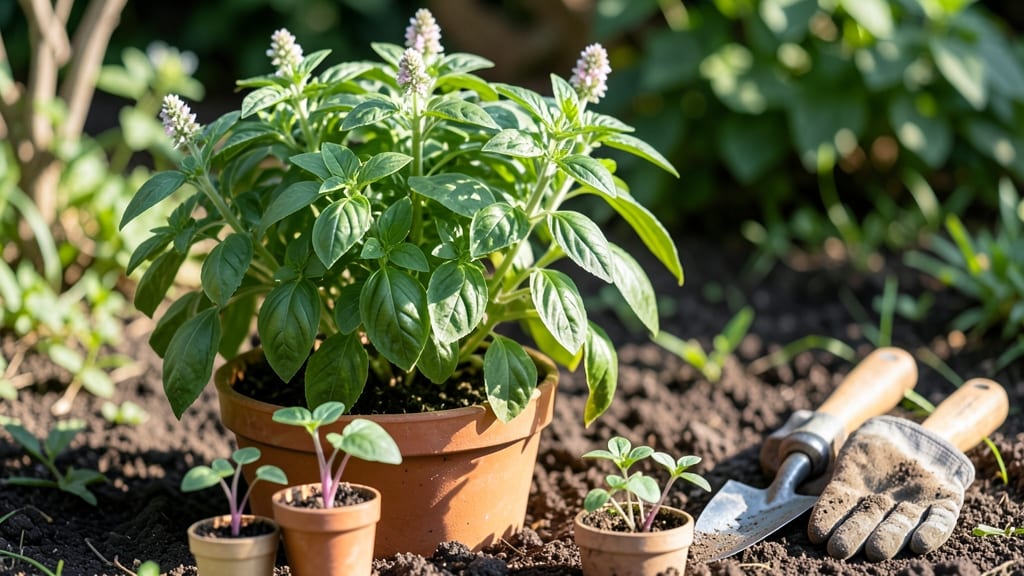
Timing your basil planting in Seattle isn't just about the calendar—it's about outsmarting the city's unpredictable coastal frosts that can turn your tender 🌿 into a sad, wilted memory.
With last frosts creeping in as late as mid-May and soil warming slower than a rainy Tuesday, knowing the exact window makes all the difference between a thriving herb garden and a sad, wilted memory.
Most gardeners in Zone 8a wait until after April 15 to transplant starts, but that's just the starting line. The real secret lies in Seattle's microclimates—where Eastside heat islands might let you plant weeks earlier than soggy West Seattle.
I'll show you how to read the signs (like soil temperature and leaf-out dates) so you can time it perfectly.
Whether you're starting seeds indoors or diving straight into the garden, we'll cover the 3 critical factors that separate successful basil growers from those who wait too long.
Spoiler: It's not just about the frost dates—it's about giving your basil the head start it needs to outpace Seattle's short growing season.
By the end, you'll know not just when to plant, but how to stretch your harvest from June all the way to September—even in our famously chilly climate. Let's get those basil seeds in the ground at the perfect moment.
Seattle’s basil planting window: frost dates, hardiness zones, and coastal adjustments
Seattle’s USDA Zone 8a-9a climate creates a tricky balance for growing basil. The city’s proximity to Puget Sound means cooler coastal air lingers longer than inland areas, delaying last frost dates by up to 2 weeks.
While most of Seattle averages April 15–May 15 for final frost, neighborhoods like West Seattle or Ballard often see frost-free conditions by May 1, while Eastside areas like Bellevue can be frost-free by April 25.
For basil, which thrives in warm soil (55°F+) and consistent warmth, timing is everything. Plant too early, and a late frost will kill tender seedlings. Wait too long, and you’ll miss the 60–90-day growing window before Seattle’s first frost (typically October 15).
Here’s a data-driven breakdown of Seattle’s basil planting window, accounting for microclimates and historical frost patterns from 2021–2023:
| Neighborhood | Avg. Last Frost | Safe Planting Window | Notes |
|---|---|---|---|
| West Seattle (Alki, Highland) | May 1 | May 10–June 1 | Cooler, maritime influence |
| Downtown/Capitol Hill | April 28 | May 5–May 20 | Urban heat island effect |
| Eastside (Bellevue, Kirkland) | April 25 | April 30–May 15 | Warmer, drier microclimate |
| Ballard/Green Lake | May 3 | May 10–May 25 | Moderate coastal influence |
To extend your basil’s growing season, monitor soil temperatures with a thermometer—basil seeds won’t germinate below 55°F. In West Seattle or cooler zones, consider using black plastic mulch to warm soil faster.
For Eastside gardeners, you can plant 2 weeks earlier than the table suggests, thanks to warmer microclimates.
If you’re starting basil indoors, begin seeds 6–8 weeks before your area’s last frost date. For example, Eastside gardeners can start in late February, while West Seattle growers should wait until early April.
Use grow lights to supplement Seattle’s short spring days (under 12 hours of sunlight in April).
For direct outdoor sowing, wait until nighttime temperatures stay above 50°F consistently. In Seattle’s unpredictable climate, a late-May frost isn’t unheard of—check the National Weather Service’s Seattle forecast or local UW AgWeatherNet data for real-time updates.
Pro tip: Use row covers for the first 2 weeks after transplanting to protect young plants from chilly coastal breezes.
Basil’s harvest window in Seattle typically runs from late June to September, but with succession planting (every 2 weeks after your last frost date), you can enjoy fresh basil until first frost.
Choose heat-tolerant varieties like Genovese or Sweet Basil to maximize your yield in Seattle’s cool summers.
Remember, Seattle’s frost dates shift yearly. For example, 2023 saw frost as late as May 20 in West Seattle, while 2021 had an early frost on April 22 in Eastside areas.
Always have a backup plan, like a cold frame or greenhouse, to safeguard your basil if unexpected frost threatens.
By aligning your basil planting with your neighborhood’s microclimate and historical frost data, you’ll avoid the common pitfalls of Seattle gardening—frost damage and stunted growth—and enjoy a bountiful harvest all summer long. 🌿
Indoor vs. outdoor basil starts: Seattle-specific prep timeline for zero-frost success
Seattle’s cool, wet springs demand precision when planting basil. Starting seeds indoors 6–8 weeks before your last frost (typically mid-April) gives you a head start, while direct sowing outdoors waits until soil warms to 55°F+—usually after May 10.
Both methods work, but timing and prep differ drastically for zero-frost success.
Indoor starts require grow lights or south-facing windows to prevent leggy seedlings, while outdoor sowing benefits from warmer microclimates like urban heat islands. Below, compare the two approaches to decide which fits your Seattle garden’s timeline and resources.
| Factor | Indoor Starts | Outdoor Sows |
|---|---|---|
| Start Time | 6–8 weeks before last frost (Feb 15–March 1) | After May 10 (soil 55°F+) |
| Soil Temp | 65–75°F (indoor seedling trays) | 55°F+ (outdoor ground) |
| Container Prep | Sterilized seed-starting mix + heat mat | Loose, compost-amended soil |
| Hardening Off | 10–14 days before transplant (April 15–May 1) | N/A (direct sow) |
| Transplant Window | After last frost (April 15–May 15) | May 10–June 1 (soil 60°F+) |
| Best For | Longer harvest season, urban balconies | Direct heat-loving varieties, late starts |
For indoor starts, begin seeds in sterile seed-starting mix under grow lights 12–14 hours/day. Harden off seedlings by gradually exposing them to outdoor conditions for 1–2 hours daily starting mid-April. Transplant after last frost (usually mid-May) when night temps stay above 45°F.
Direct outdoor sowing is simpler but riskier—wait until soil reaches 55°F+ (test with a soil thermometer) and nights are consistently above 50°F. In Seattle’s microclimates, urban areas like Ballard or Fremont warm faster than West Seattle, so adjust timing accordingly.
Pro tip: Mix compost into soil for both methods to boost warmth retention. For containers, use black pots to absorb heat—critical for Seattle’s slow-warming springs. Mulch with straw after transplanting to lock in moisture and deter weeds.
Regardless of method, pinch off flowers to redirect energy to leaves. With proper timing, you’ll harvest aromatic basil from June through September—even in Seattle’s cool coastal climate. 🌿