
Trees
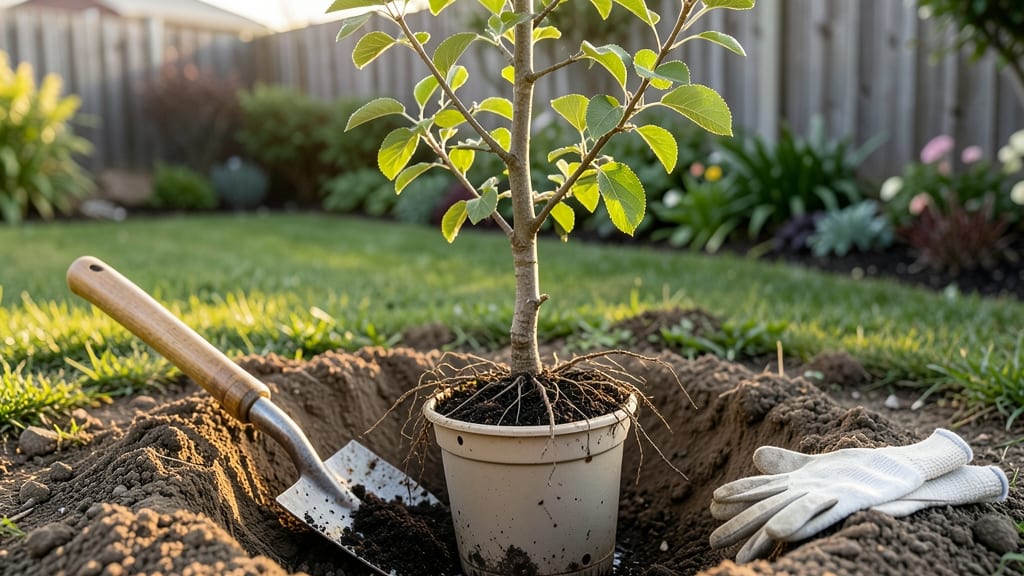
Planting an apple tree 🍎 in Arkansas isn't just about digging a hole—it's about timing it perfectly to beat frost and give your tree the best shot at thriving.
If you get the schedule wrong, you could end up with a sad, struggling sapling or worse, a total loss before the first harvest.
But here's the good news: with Arkansas's mild winters and the right chill-hour varieties, you can actually plant twice a year—once in late fall and again in early spring.
Most Arkansas gardeners in zones 7a-8a know that fall planting (October-November) is ideal because the cool soil helps roots establish before winter dormancy. But did you know spring planting (February-March) works too, as long as you get it done 2-3 weeks before your last frost date?
The key is avoiding those late-winter freezes that can sneak up on unsuspecting trees.
I've learned the hard way that rushing the process leads to weak growth, while planning ahead means stronger trees that produce bigger, juicier apples in September and October.
Whether you're a first-time orchardist or a seasoned gardener, this guide will help you pick the perfect window—and the right varieties—to make your Arkansas apple tree dreams a reality.
Let's break down exactly when to plant, which varieties thrive in your specific zone, and how to give your tree the best possible start—so you can enjoy that first homegrown apple in just a few years. Ready to get growing?
Best planting months in Arkansas based on chill-hours and frost dates
Arkansas gardeners face a unique challenge when planting apple trees: balancing chill-hour requirements with frost-free deadlines.
Most Arkansas regions fall within USDA Zones 7a-8a, where winter temperatures dip low enough to satisfy 300–900 chill hours—but timing your planting window wrong can mean lost trees or poor fruit production. The key is planting during dormant seasons when roots can establish without competing with active growth.
For bare-root apple trees, the ideal planting windows in Arkansas are November through February. This aligns with the state’s last average frost dates, which range from mid-March in northern Arkansas to early April in the southern Ozark region.
Planting too early risks frost damage to tender roots, while planting too late delays root establishment before spring growth begins.
| Planting Window | Chill-Hour Range | Last Frost Date | Best Varieties | Key Consideration |
|---|---|---|---|---|
| Late November | 600–900 hours | Mid-March | 'Fuji', 'Gala' | Soil temps >40°F |
| December–January | 300–600 hours | Early April | 'Akane', 'Liberty' | Avoid frozen ground |
| February (early) | 300–500 hours | Late March | 'Jonagold', 'Red Delicious' | 2–3 weeks before last frost |
To calculate your local last frost date, check the Arkansas Climate Office or use the National Weather Service frost calendar. For most of Arkansas, northern regions (Zone 7a) have later frost dates than southern areas (Zone 8a).
For example, Fayetteville averages its last frost on March 15, while Little Rock sees frost-free conditions by March 1. Adjust your planting schedule accordingly.
For container-grown apple trees, extend your planting window into March—but only if you can protect young trees from late frosts with frost cloth or row covers. Container trees also require larger pots (20+ gallons) and well-draining soil mixes to prevent root rot during Arkansas’s humid summers.
Always choose dwarf or semi-dwarf rootstock for Arkansas home orchards. These varieties establish faster and produce fruit sooner than standard-size trees. Pair them with pollination partners (e.g., plant a 'Honeycrisp' with a 'Golden Delicious' for cross-pollination).
After planting, mulch with 3–4 inches of wood chips to retain soil moisture and regulate temperatures. Water deeply once a week during the first growing season, focusing on the root zone rather than the foliage.
In Arkansas’s humid climate, avoid overhead watering to prevent apple scab and powdery mildew.
Monitor your tree’s progress by checking for new leaf growth in spring. If buds swell but don’t break, your tree may need additional chill hours—consider relocating to a cooler microclimate or selecting a low-chill variety next time.
Arkansas’s variable winters can disrupt chill accumulation, so track your tree’s development closely.
For fall planting (October–November), aim to finish before the first hard frost. Bare-root trees planted in fall benefit from winter rains that help roots spread before spring growth. However, avoid planting if soil temperatures drop below 40°F, as roots won’t establish properly.
Pro tip: Use a soil thermometer to confirm ground temps are above 40°F before planting. In Arkansas’s clay-heavy soils, amend with compost or sand to improve drainage. Poor drainage leads to root rot, which is fatal for young apple trees.
Top 5 Arkansas-adapted apple tree varieties for different chill zones
Arkansas gardeners can thrive with the right apple tree varieties—especially those adapted to our 300–900 chill-hour zones. While some varieties struggle in USDA Zones 7a–8a, others like ‘Akane’ and ‘Liberty’ flourish with minimal winter chill.
These top 5 varieties balance cold hardiness, disease resistance, and high yields for Arkansas’ microclimates.
Choosing the right variety depends on your local chill hours and frost patterns. Northern Arkansas (higher chill zones) can grow traditional varieties, while southern regions need low-chill apples. Let’s explore the best options for each zone and their unique advantages.
For northern Arkansas (higher chill zones), ‘Jonagold’ and ‘Golden Delicious’ thrive with 800+ chill hours. These varieties produce large, flavorful apples but require cross-pollination for optimal yields. Pair them with ‘Akane’ or ‘Fuji’ for better fruit set.
In southern Arkansas (lower chill zones), ‘Liberty’ and ‘Gala’ shine with 300–500 chill hours. ‘Liberty’ boasts fire blight resistance, making it ideal for humid climates, while ‘Gala’ ripens early—perfect for shorter growing seasons. Both handle Arkansas’ heat and humidity better than traditional varieties.
If you’re in a transition zone (mixed chill hours), ‘Akane’ is a standout. It requires only 400–600 chill hours and produces crisp, red apples with excellent storage life. Plus, its disease resistance reduces the need for fungicides, saving time and money.
For urban gardeners, consider dwarf varieties like ‘Fuji’ on M.9 rootstock. These stay compact (8–12 feet tall) while delivering sweet, reliable fruit. Just ensure they get full sun (6+ hours) and well-draining soil to prevent root rot—a common issue in Arkansas’ clay-heavy soils.
No matter which variety you choose, prioritize soil health and proper spacing (15–25 feet apart). Arkansas’ humid summers demand good airflow to prevent fungal diseases, so avoid planting in low-lying areas where frost lingers.
With the right variety and care, your homegrown apples will be the talk of the neighborhood!