
Trees
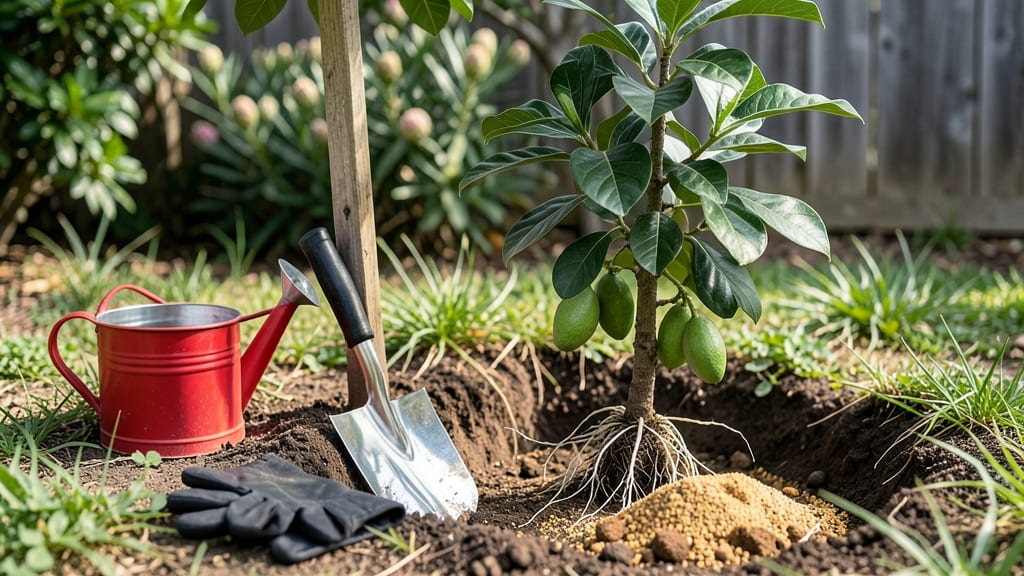
Planting your 🍎 fruit trees at the wrong time in South Africa could mean struggling with stunted growth or even losing your investment before harvest.
The secret to success lies in matching your tree’s chill-hour needs with your region’s climate—whether you’re in frost-prone Cape Town or the warmer coastal zones of Durban.
Most gardeners in USDA zones 9a-10a know the basics: winter to early spring is ideal, but timing varies wildly depending on whether you’re growing citrus (which thrives in heat) or stone fruit (which needs cooler dormancy).
I’ll break down exactly when to plant each type, so you can avoid common mistakes like planting too early and risking frost damage—or too late and missing the optimal root-establishment window.
You’ll also discover how to prep your soil, choose the right rootstock for your climate, and adjust your watering schedule based on seasonal rainfall. These 5 pro tips will help your trees grow stronger, fruit faster, and reward you with harvests from late spring through summer.
Ready to turn your orchard dreams into reality? Let’s dive into the exact planting calendar tailored to your region—so you can enjoy homegrown fruit year after year without the guesswork.
South Africa’s fruit tree planting calendar by chill-hour requirements
South Africa’s diverse climate zones mean chill-hour requirements dictate when—and where—you can successfully plant fruit trees. High-chill varieties like apples and pears need 400-1,000 chill hours, while low-chill citrus thrive with just 100-300 chill hours.
Matching your tree to your region’s frost risk and rainfall patterns is key to avoiding winter damage or poor fruiting.
For example, the Western Cape’s Mediterranean climate (e.g., Cape Town) suits low-chill varieties like avocados and citrus, while Mpumalanga’s highveld (e.g., Nelspruit) supports high-chill apples. KwaZulu-Natal’s subtropical zones (e.g., Durban) bridge the gap with medium-chill peaches and plums.
Understanding these nuances ensures your trees establish roots before summer heat or avoid late frosts.
Use this chill-hour comparison table to align your fruit tree choices with South Africa’s 5 key climate zones. Each zone’s planting window and frost risk are critical for timing—plant too early, and young roots may freeze; too late, and summer drought stresses saplings.
| Climate Zone | Chill-Hour Range | Best Fruit Trees | Planting Window | Frost Risk | Soil Prep Tip |
|---|---|---|---|---|---|
| Highveld (e.g., Johannesburg, Pretoria) | 500–1,000+ | Apples, Pears, Peaches, Plums | May–July (bare-root) August–September (container) |
High frost risk (June–August) | Add compost + mulch to insulate roots |
| Western Cape (e.g., Cape Town, Stellenbosch) | 100–300 | Avocados, Citrus, Figs, Olives | March–April (avoid summer heat) | Low frost risk (rare, light frosts) | Use well-draining soil to prevent waterlogging |
| KwaZulu-Natal (e.g., Durban, Pietermaritzburg) | 300–600 | Peaches, Nectarines, Plums, Mangoes | April–May (spring rains) | Moderate frost risk (coastal areas safer) | Test soil pH (6.0–7.0) for citrus |
| Eastern Cape (e.g., Grahamstown, East London) | 400–800 | Apples, Pears, Quinces, Walnuts | June–July (post-frost window) | High frost risk (June–September) | Plant on south-facing slopes for warmth |
| Limpopo (e.g., Polokwane, Musina) | 600–1,200 | Apples, Pears, Stone Fruits, Macadamias | May–June (before rains) | Very high frost risk (June–August) | Use windbreaks to protect young trees |
In high-chill zones like the Highveld, prioritize bare-root trees planted in winter (May–July) when soils are cool and moist. This mimics natural dormancy cycles, helping roots establish before summer heat. Container-grown trees can be planted slightly later (August–September) but need extra watering to compensate for root disturbance.
For low-chill citrus in the Western Cape, avoid planting in summer (December–February)—intense heat stresses young roots. Instead, plant in early autumn (March–April) when temperatures are mild. Mulch heavily (5–7cm) to retain moisture and regulate soil temperature, especially in sandy soils common to coastal areas.
In subtropical KwaZulu-Natal, peach and plum trees benefit from spring rains (April–May), which reduce irrigation needs. However, coastal frost pockets (e.g., near Durban) may require microclimate adjustments, like planting near buildings or fences to trap heat.
Always check your local frost dates—some inland areas experience frost as late as September.
Frost protection is non-negotiable in high-chill regions. Use frost cloths or tree wraps for young trees, and avoid pruning heavily in late winter—this stimulates new growth vulnerable to late frosts. In frost-free zones, focus on drought-resistant varieties like sour cherries or loquats, which tolerate dry spells better than peaches.
One common mistake? Planting high-chill apples in Durban’s subtropical climate. Without sufficient chill hours, trees may flower poorly or fail to fruit. Always verify your local chill-hour data—tools like the SA Agroclimate Portal provide regional breakdowns.
For example, Pretoria averages 600 chill hours, while Cape Town averages just 200.
Pro tip: Container-g
Regional planting timelines: best months for each province
South Africa’s diverse climate means your fruit tree planting schedule should match your province’s unique conditions. In the Western Cape, coastal areas like Cape Town enjoy milder winters, while inland regions like Worcester face frost risks.
Meanwhile, KwaZulu-Natal’s subtropical climate allows year-round planting for citrus, while Mpumalanga’s high-altitude zones demand precise chill-hour timing. Let’s break down the best months for each region to maximize your tree’s success.
For Western Cape gardeners, focus on winter planting (May-July) for temperate fruit like apples and pears. Coastal areas can extend planting to early spring (August-September), but avoid late autumn to prevent frost damage.
Inland zones should prioritize bare-root trees in June-July when soil moisture is ideal. Citrus thrives when planted in spring (September-October), avoiding winter’s cold snaps.
In KwaZulu-Natal, citrus and avocados can be planted almost year-round, but spring (September-November) is ideal for temperate fruit like peaches. The region’s high humidity means prioritizing well-draining soil and fungus-resistant varieties.
For Mpumalanga, align planting with chill-hour requirements: high-chill varieties (apples, pears) go in late winter (May-June), while low-chill types (macadamias, avocados) thrive in early spring (September-October).
Coastal vs. inland adjustments are critical. In coastal Western Cape, spring planting (September-October) avoids winter rains that can rot roots, while inland areas should plant in June-July when frost risk passes. Mulching with pine needles or straw helps regulate soil temperature in both cases.
Always water deeply after planting to encourage root growth, especially in sandy soils like those in Durban.
Pro tip: Use container-grown trees for flexibility in KwaZulu-Natal, where frost is rare but humidity is high. For Mpumalanga, choose dwarf varieties to reduce frost exposure. And remember—citrus planted in summer (December-February) often struggles due to heat stress, so stick to milder months. 🌱
By following these province-specific timelines, you’ll give your fruit trees the best start—whether you’re battling Cape Town’s coastal breezes, Durban’s tropical humidity, or Mpumalanga’s crisp highland air. Happy planting! ✂️