
Trees
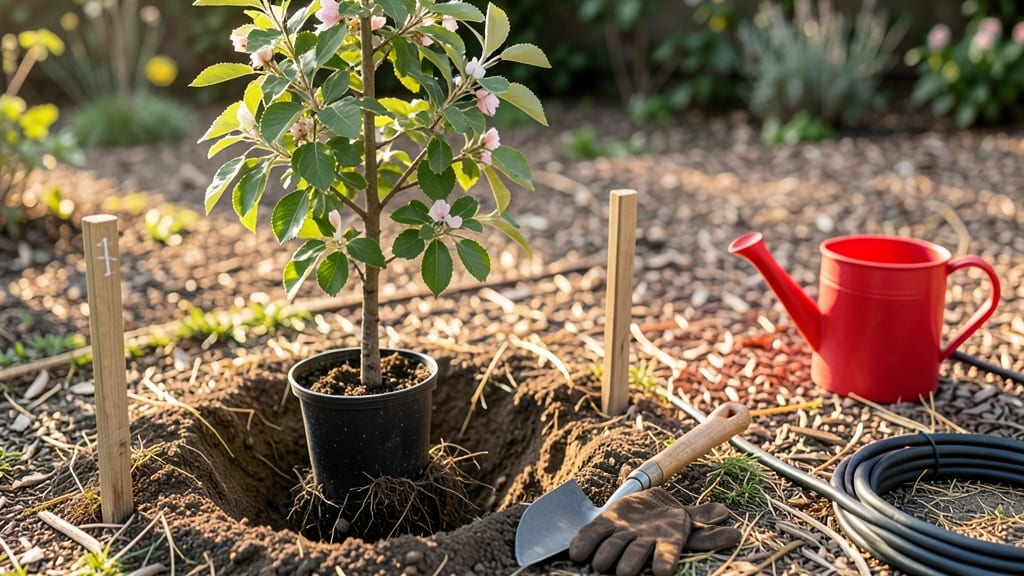
Planting an apple tree 🍎 in Oregon at the wrong time can mean the difference between a thriving orchard and years of disappointment. The key isn't just picking a month—it's understanding how Oregon's five distinct microclimates (from coastal fog to high-desert heat) affect your tree's survival.
Most gardeners assume late spring is best, but that ignores Oregon's unpredictable frost dates and soil conditions. In reality, the ideal window depends on whether you're in the Willamette Valley, Cascades, or Eastern Oregon—each with its own frost risks and planting sweet spots.
I'll break down exactly when to plant bare-root vs. container-grown trees in each region, plus how to prepare your soil for strong root growth before the first buds appear. Whether you're a first-time grower or a seasoned orchardist, these timing tips will help you avoid common mistakes that stall growth.
Ready to get started? Let's dive into the perfect months for planting apple trees in your specific Oregon zone—and how to give your tree the best possible start for decades of harvests.
Best planting months for Oregon’s 5 microclimates: coastal, Willamette Valley, Cascades, High Desert, and Eastern Oregon
Oregon’s five distinct microclimates create unique challenges for apple tree growers. The coastal fog belt stays cool year-round, while the High Desert sees extreme temperature swings. Each region demands precise timing to avoid transplant shock or frost damage.
Let’s break down the ideal planting windows based on soil temperatures, frost risk, and local weather patterns.
For coastal Oregon (USDA zones 7b-9a), the best time to plant apple trees is November through February. Mild winters and high humidity mean you can plant even during rainy months, but avoid late winter frosts that can damage emerging roots.
In contrast, the Willamette Valley (zones 7b-8a) offers a February to March window when soil temperatures hover around 45-50°F—perfect for root establishment before spring growth.
Mountainous regions like the Cascades (zones 4b-7a) require patience: wait until May or June when snowmelt has stabilized the soil and nighttime temperatures consistently stay above 50°F. The High Desert (zones 6b-8a) has a narrow window of April to early May, as summer heat arrives quickly. Finally, Eastern Oregon (zones 5b-7b) benefits from March to April planting when frost-free days increase and soil warms.
Here’s a side-by-side comparison of Oregon’s planting zones, including soil temperature thresholds, frost risk, and key seasonal considerations:
In coastal Oregon, prioritize well-draining soil to prevent root rot from persistent moisture. The Willamette Valley’s fertile soil makes it ideal for dwarf apple varieties like ‘Gala’ or ‘Fuji’, but watch for late frosts in March.
For the Cascades, choose cold-hardy varieties such as ‘Granny Smith’ and plant on south-facing slopes to maximize warmth.
The High Desert demands extra mulch to retain moisture, while Eastern Oregon benefits from windbreaks to protect young trees. Both regions thrive with sandy loam soil amended with compost to improve water retention. Always test your soil’s pH (6.0–7.0) before planting—apple trees are sensitive to acidic or alkaline extremes.
Pro tip: Use bare-root trees in cooler months (Nov–Mar) for better root establishment, but opt for container-grown trees in warmer zones like the High Desert to avoid transplant shock during dry spells.
Water deeply once a week for the first month post-planting, then taper to every 10–14 days once roots are established.
Timing your apple tree planting to match Oregon’s microclimates isn’t just about avoiding frost—it’s about giving your tree the best possible start. Whether you’re in foggy coastal gardens or sunbaked desert orchards, these windows ensure strong root growth and decades of fruit production. Happy planting! 🍎
How to prepare apple tree roots for Oregon’s unpredictable spring: soil, chilling hours, and transplant shock prevention
Oregon’s spring weather can swing from chilly coastal winds to sudden heatwaves, making root preparation critical for apple tree success. The key is balancing soil amendments, root pruning, and chilling hour requirements to ensure your tree thrives despite Oregon’s unpredictable climate.
Let’s break down the essential steps to give your apple tree the best possible start.
First, understand that most apple varieties need 500-1,000 chilling hours below 45°F to set fruit properly. Popular Oregon varieties like Fuji and Honeycrisp require closer to 1,000 hours, while Gala needs around 600-800 hours.
If you’re planting in USDA zones 7b-9a, monitor your local chilling hours to avoid disappointment with poor fruit set.
Before planting, inspect the roots of bare-root saplings for any dried or damaged sections. Trim these with sterilized pruners to 1/4-inch above the damage. For container-grown trees, gently loosen the root ball to encourage outward growth, as Oregon’s clay-heavy soils can suffocate roots if not amended properly.
This step is crucial for preventing transplant shock, which is especially risky in Oregon’s variable spring weather.
⚠️ callout warningOregon’s late spring frosts (common until May in high desert areas) can kill newly planted apple trees. Check your local last frost date—coastal areas (like Astoria) may be safe by March 15, while Bend often waits until May 10. Planting too early risks root freeze, while waiting too long delays root establishment.
Pro Tip: Use frost cloth or a mini greenhouse for the first 2-3 weeks post-planting if late frosts are forecasted.
Amend your planting hole with a mix of native soil, compost, and sand or perlite (20-30%) to improve drainage. Oregon’s clay soils can become waterlogged, leading to root rot. Aim for a 6.0-7.0 pH—test your soil and adjust with lime or sulfur if needed.
Spread a 3-inch layer of mulch around the base (but avoid touching the trunk) to retain moisture and regulate soil temperature.
After planting, water deeply to settle the soil and remove any air pockets around the roots. In Oregon’s dry springs, follow up with 1-2 inches of water weekly for the first month.
Avoid overhead watering, which can spread disease. For young trees, consider drip irrigation to deliver water directly to the root zone, reducing stress during Oregon’s unpredictable rainfall patterns.
Finally, protect your tree from late-season heatwaves by providing afternoon shade if temperatures exceed 90°F. Varieties like Honeycrisp are particularly sensitive to heat stress. Prune any suckers or water sprouts that form in the first growing season to direct energy into root and branch development.
With these steps, your apple tree will establish strong roots and be ready to handle Oregon’s climate extremes for decades to come.