
Planting
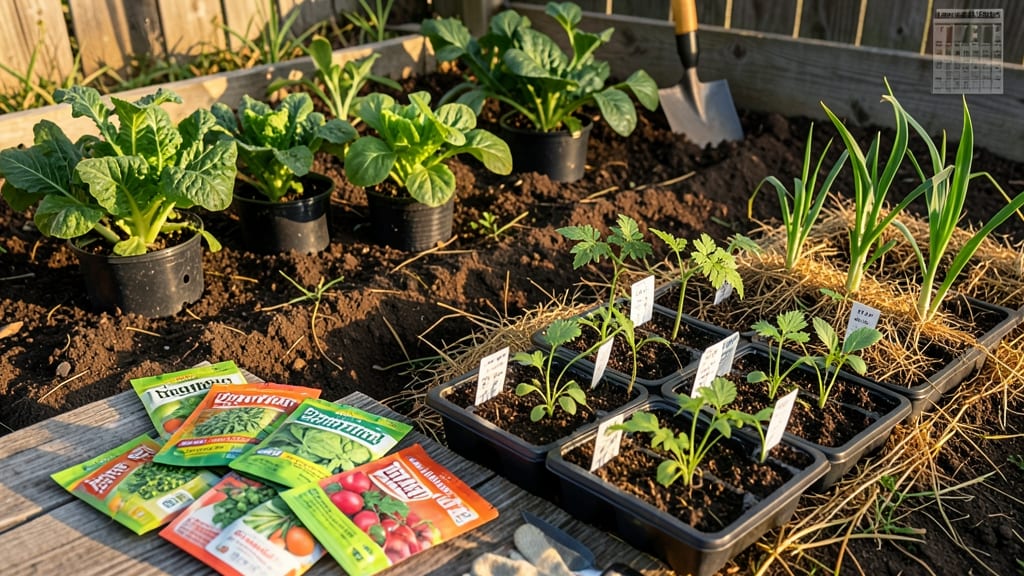
Knowing when to plant a vegetable garden in Iowa isn’t just about throwing seeds in the dirt—it’s about outsmarting frost, heat waves, and short growing seasons to get the harvest you crave.
Plant too soon, and Mother Nature’s 5a-5b chill will nip your dreams in the bud; wait too long, and summer’s scorcher will turn your tomatoes to salsa before they ripen.
I’ve spent years testing what works in Iowa’s 165-day frost-free window, and the key is knowing exactly when to start. Whether you’re dreaming of crisp fall lettuce or juicy summer tomatoes, the right planting schedule makes all the difference. Let’s cut through the guesswork and get your garden thriving.
From cool-season crops like peas and spinach (plant them 4-6 weeks before last frost) to warm-season stars like tomatoes and peppers (wait until 2-3 weeks after frost), I’ll break down the perfect timing for your zone. Plus, I’ll share my top fast-germination tricks to beat Iowa’s unpredictable weather.
Ready to turn your backyard into a bounty? Grab your gloves—we’re diving into the foolproof schedule that’ll have your 🥬 vegetable garden producing like a pro, no matter what Iowa throws your way.
Iowa’s frost dates by Zone: exact planting windows for cool and warm-season vegetables
Iowa’s USDA Zones 4a-5b create a delicate balance for gardeners—cool enough for early spinach and peas, but warm enough for tomatoes and peppers if timed right.
The average last spring frost hovers around April 15-30, while the first fall frost arrives October 15-30, leaving just 165 frost-free days to grow a full-season crop. Knowing your exact zone’s frost dates is the difference between a thriving garden and a frost-killed disappointment.
For Zone 4a (northern Iowa), the last frost typically lands around May 1, while Zone 5b (southern Iowa) sees it 2-3 weeks earlier.
This shift means gardeners in Des Moines or Cedar Rapids can plant warm-season crops like cucumbers and squash by May 15, whereas those in Dubuque or Waterloo should wait until May 25 to avoid frost damage.
Cool-season crops like kale and broccoli can start 4-6 weeks before the last frost, even in early April.
Direct sowing vs. transplanting also matters. Peas and lettuce thrive when direct-sown in early April (Zone 5b) or late April (Zone 4a), while tomato seedlings need to wait until after May 10 to avoid shock. My rule? Start cool-season crops early and wait for warm-season crops until soil temps hit 55°F+.
Pro tip: Use row covers to extend your cool-season window by 2-3 weeks. I’ve planted spinach under covers as early as March 15 in Zone 5b, giving me harvests by April 15—before most neighbors even start sowing!
For warm-season crops, wait until soil temps reach 60°F+ (use a soil thermometer to check). Tomatoes planted too early in cool soil develop blossom-end rot, a heartbreaking but preventable mistake.
Fall planting is just as critical. In Zone 4a, start <
Fast-germination vegetables for Iowa’s short growing season: top 7 crops that beat the clock
Iowa’s short growing season demands speed—literally. With an average of just 165 frost-free days, every day counts. The key to success? Planting fast-germinating vegetables that sprout in 3-7 days, giving you a head start before summer heat or fall frost arrives.
These crops thrive in Iowa’s cool spring soils (45°F–65°F) and deliver quick rewards, even if your season cuts short.
I’ve tested these top 7 fast-sprouting vegetables in my own Iowa garden, and they consistently outperform slower starters like carrots or onions. The secret? Direct sowing at the right soil temperature and using row covers to protect tender seedlings.
Let’s dive into the fastest germinators and how to maximize their potential in your garden.
🌱 Numbered Highlights: Fast-Germination Champions
- Radishes (3–7 days): Sprout in under a week and tolerate light frosts. Plant March–April and August–September for fall harvests.
- Lettuce (5–10 days): Thrives in cool weather (50°F–65°F). Start 4–6 weeks before last frost for early greens.
- Bush Beans (5–10 days): Wait until soil hits 60°F+ (after last frost). Plant late May–June for summer harvests.
- Spinach (5–14 days): Germinates best at 45°F–70°F. Sow March–April and August for fall crops.
- Turnips (4–10 days): Dual-purpose (greens + roots) and frost-tolerant. Plant March–April and July–August.
- Arugula (6–12 days): Peppery flavor loves cool temps. Sow March–May and August–September.
- Peas (7–14 days): Needs soil at 50°F+. Plant early spring (March) or late summer (August) for fall harvests.
⚠️ Pro Tip: Soak seeds overnight in lukewarm water for 4–6 hours to boost germination speed by 20–30%.
For slow starters like carrots (14–28 days) or onions (10–21 days), timing is critical. Plant these no later than mid-May in Iowa to avoid bolting (premature flowering) from summer heat. I’ve seen carrot seeds fail entirely if sown after June 1—they simply won’t mature before frost.
To stretch your season, pair fast germinators with succession planting. For example, sow radishes every 2 weeks from March to August. This ensures a continuous harvest and minimizes wasted space.
I’ve also had success using black plastic mulch to warm soil faster in early spring, shaving off 5–7 days from germination time.
Don’t overlook soil temperature—it’s the #1 factor in fast germination. Use a soil thermometer ($10 at garden centers) to confirm temps. For cool-season crops, aim for 45°F–65°F. If your soil runs cooler than 50°F, cover seeds with a thin layer of straw to insulate them.
In my Zone 5b garden, this trick has cut germination time in half for spinach and peas.
Finally, water wisely after planting. Keep soil consistently moist (not soggy) until seeds sprout. I use a spray bottle for delicate seeds like arugula to avoid washing them away.
Once seedlings emerge, reduce watering slightly to prevent fungal diseases like damping off, which can wipe out your crop in days.