
Vegetables
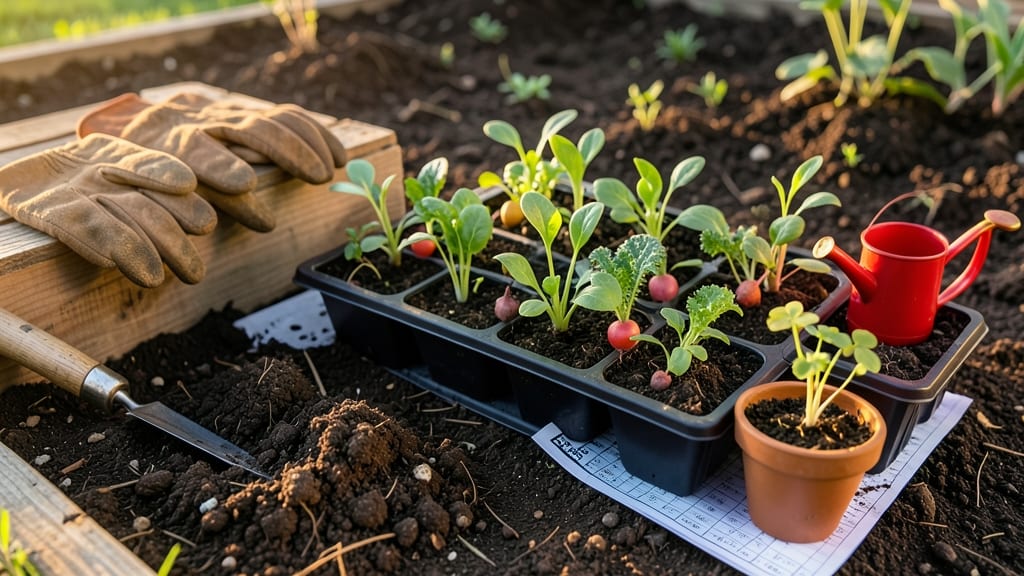
Planting your early spring vegetables at the wrong time in Zone 6 can mean the difference between a thriving garden and a sad pile of frost-bitten seedlings. Unlike later crops, these cold-hardy greens need precise timing to avoid late frosts while still giving them enough warmth to grow strong.
I’ve learned the hard way that checking your local frost dates isn’t enough—soil temperature and microclimates play just as big a role.
Whether you’re growing peas, spinach, or radishes, knowing exactly when to put them in the ground (and how to protect them if frost sneaks back) is the key to a bountiful harvest.
In this guide, I’ll break down the science behind Zone 6 frost dates and share my foolproof schedule for planting early spring crops. You’ll discover how to use a frost-date calculator, adjust for your specific location, and even salvage a crop if Mother Nature throws a curveball.
No more guessing games—just actionable tips to get your garden off to the best possible start. Let’s make this your most successful spring yet!

Zone 6 frost dates and ideal planting windows for early spring vegetables
Understanding Zone 6 frost dates is the key to unlocking your early spring vegetable garden's potential. In this zone, the average last frost date typically falls between April 15 and May 1, but these dates can shift by 2-3 weeks depending on your exact location.
For example, western Zone 6 areas like Denver often see frost-free soil earlier than eastern regions like Pittsburgh.
Your planting success hinges on two critical factors: soil temperature thresholds and cold-hardy crop categories. Most cool-season vegetables thrive when soil reaches 40-50°F, while semi-hardy crops like lettuce prefer 45-55°F.
Planting too early when soil is still cold can stunt growth or invite rot, while waiting too long risks bolting or poor yields.
Cold-hardy vegetables (like peas, spinach, and kale) can handle light frosts and should be sown 4-6 weeks before your last frost date. Semi-hardy crops (lettuce, radishes, carrots) need 2-4 weeks of lead time. The ideal planting window for most early spring vegetables in Zone 6 spans from mid-March to late April, but this varies by location.
For cold-hardy vegetables like peas and spinach, I recommend starting seeds indoors 6-8 weeks before your last frost date to give them a head start. These varieties can tolerate light frosts down to 20°F, making them ideal for early spring planting.
I've had great success with 'Sugar Snap' peas and 'Bloomsdale Long Standing' spinach when planted in late March.
Semi-hardy crops like lettuce and radishes should wait until soil temperatures stabilize above 45°F. These plants can handle brief frosts down to 25°F, but prolonged cold will damage leaves. I plant 'Buttercrunch' lettuce around April 1 and use row covers if late frosts are forecasted.
For radishes, I prefer 'Cherry Belle' and sow them in two successive plantings—first in late March and again in early April—for continuous harvests.
Carrots are particularly sensitive to soil temperature fluctuations. I wait until mid-April to plant them in Zone 6, ensuring soil is consistently above 50°F. For varieties like 'Danvers' or 'Nantes', I loosen the soil deeply and add compost to prevent forking.
If you're in a cooler microclimate, consider using black plastic mulch to warm the soil faster.
Protecting your early spring crops from late frosts is easier than you think. I use floating row covers or cloches to shield tender seedlings. For extreme cold snaps, a DIY cold frame made from wooden boxes and clear plastic works wonders.
Even a simple lightweight blanket draped over plants can prevent frost damage during 28-3
How to use a frost-date calculator for custom planting timing in Zone 6
A frost-date calculator transforms guesswork into precision planting. In Zone 6, where average last frost dates range from April 15 to May 15, using one ensures your peas, spinach, and lettuce thrive—not just survive.
These tools factor in your specific location’s microclimate, elevation, and historical frost patterns to give you the exact window for planting.
Start by entering your zip code into a trusted calculator like the USDA Plant Hardiness Zone Map or Almanac’s Frost Date Finder. These tools pull real-time data to show your average last frost date and first frost date.
For example, my garden in Virginia (Zone 6a) shows a last frost date of April 20, while a neighbor’s garden just 10 miles away in a valley has a May 5 average—proof that elevation and terrain matter!
Here’s how to use the data to refine your planting schedule:
Use a frost-date calculator to find your average last frost date and first frost date. For Zone 6, this typically falls between April 15 and May 15 for last frost, and October 15 to November 15 for first frost. Write these dates down—they’re your planting anchors.
Your garden’s microclimate—like a sunny south-facing slope or a frost pocket—can shift frost dates by 1-3 weeks. Observe your garden for 2-3 years or ask local gardeners. For instance, if your low-lying area frosts 2 weeks later than the average, adjust your planting dates accordingly.
Cold-hardy crops like peas and spinach can handle 40°F soil, but semi-hardy veggies like lettuce and radishes need 50°F+. Use a soil thermometer to confirm your soil is warm enough. If it’s not, wait 1-2 weeks or use row covers for protection.
For a continuous harvest, plant fast-growing crops like radishes and lettuce every 2 weeks after your last frost date. Use the calculator to map out these intervals. For example, if your last frost is April 20, plant radishes on April 20, May 5, and May 20 for staggered harvests.
Even with precise timing, late frosts can strike. Use frost cloth or row covers for 2-3 weeks after planting to shield seedlings. Check your first frost date and plan to remove covers 2 weeks before the average first frost to avoid overheating plants.
Combine calculator data with local weather forecasts. Sign up for alerts from the National Weather Service or use apps like Weather Underground to track 10-day forecasts. If a cold snap is predicted, delay planting or use protective measures.
Don’t rely solely on averages—factor in 3-year trends from your area. For instance, if your zone has seen late frosts in 2 of the last 3 years, err on the side of caution by planting 2 weeks later than the calculator suggests.
This flexibility ensures your early spring vegetables like kale and carrots establish strong roots before summer heat arrives.
Pro tip: Keep a gardening journal to track your actual frost dates each year. Over time, you’ll refine your calculator results into a personalized planting schedule that outperforms generic guidelines. With this method, you’ll maximize yields and avoid the heartbreak of frost-damaged seedlings!