
Plants
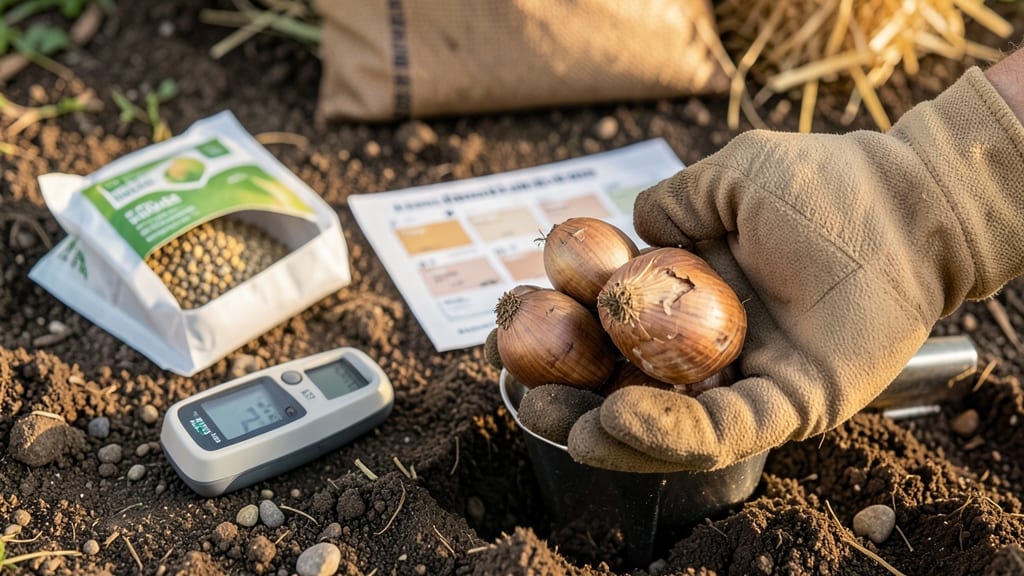
Planting your Spring Flowering Bulbs (Tulips, Daffodils, Hyacinths, etc.) 🌷 at the wrong time in Kansas could mean blooms that never arrive—or worse, frozen roots before they even sprout.
The key to success lies in understanding your local frost dates and adjusting your schedule accordingly, whether you're in the cooler Zone 5b or warmer Zone 7a regions.
Most gardeners in Kansas know fall is the time to plant, but the exact window varies by county. If you wait too late, the ground might freeze before the bulbs establish roots. Plant too early, and they could rot in damp soil.
I’ll show you how to pinpoint the perfect 6-week window before your first frost—so you can enjoy vibrant spring blooms without the guesswork.
Let’s break down the ideal planting months for your specific Kansas county, including adjustments for early freezes or late springs. You’ll discover how soil temperature, local microclimates, and even your bulb type (like drought-resistant varieties) play a role in timing.
By the end, you’ll have a foolproof plan tailored to your garden’s needs.
Ready to transform your fall planting into a spring spectacle? I’ll walk you through everything—from frost-date calculators to pro tips for Kansas gardeners. Let’s get those bulbs in the ground at the right time for a showstopping display next year.
Kansas frost dates by county: exact planting windows for spring bulbs
Planting spring bulbs in Kansas requires precision—timing your tulips, daffodils, and hyacinths wrong can mean missed blooms or frozen roots. The state spans USDA Zones 5b to 7a, creating dramatic differences in frost dates between counties like Garden City (Zone 6a) and Lawrence (Zone 7a).
Understanding your county’s first frost and last frost dates ensures bulbs get the 6-8 weeks of cold dormancy they need before spring growth.
For example, northern Kansas (Zone 5b) has a last frost date around April 20, while southern Kansas (Zone 7a) sees the last frost by March 20.
This means gardeners in Hays (Zone 6b) must plant bulbs by mid-October, while those in Wichita (Zone 7a) can wait until late November. Let’s break down the exact planting windows by county to help you avoid common mistakes.
In Zone 5b counties like Salina or Hays, the earlier first frost means you must plant bulbs by October 15 to avoid winter damage. Tulips, which need 12–16 weeks of cold, benefit from early planting.
Meanwhile, daffodils, which tolerate shorter cold periods, can wait until mid-October in these zones.
For central Kansas (Zone 6a/6b), including Manhattan and Topeka, the window is slightly wider: October 15–November 1. This flexibility allows you to adjust based on soil temperature.
Use a soil thermometer to confirm the ground is below 60°F—the ideal temperature for bulb planting. If your soil stays warm, delay until early November.
Southern counties like Wichita and Kansas City (Zone 7a) enjoy the latest planting dates, up to mid-December for daffodils. However, tulips and hyacinths still need planting by November 15 to ensure they get enough chilling hours.
In these warmer zones, mulch heavily (3–4 inches) after planting to protect bulbs from freeze-thaw cycles.
Pro tip: If you’re in a microclimate (like a low-lying area or urban heat island), adjust your planting date 1–2 weeks earlier than the county average. For example, Kansas City’s downtown might frost 5 days later than its suburbs.
Always check local weather trends for the past 3 years to refine your timing.
Finally, remember that bulb size matters. Larger 12-inch daffodils need deeper planting (
How to adjust planting times for early vs late freezes in Kansas
Kansas gardeners face unique challenges with its volatile freeze patterns, where a northern county like Cloud County (Zone 5b) might see frost by October 25, while southern regions like Harper County (Zone 7a) can delay planting until November 10.
These shifts require flexibility in your bulb planting schedule to ensure roots establish before winter sets in.
For spring-blooming bulbs like tulips and daffodils, the goal is to plant 6-8 weeks before the ground freezes. In Zone 5b, this means aiming for mid-October, while Zone 7a gardeners can extend planting until early November.
However, if your area experiences an early freeze, opt for cold-hardy varieties like crocuses or snowdrops, which tolerate sub-zero temperatures.
Adjusting Planting Times for Kansas Freezes
- Pros: Bulbs establish roots before hard freeze
- Cons: Risk of rot if soil stays wet
- Pros: Warmer soil speeds root growth
- Cons: Shorter window for root establishment
- Pros: Extends planting window by 2-3 weeks
- Cons: Requires removal before sprouting
- Pros: Insulates roots 5-10°F warmer
- Cons: May attract pests if too thick
If your fall planting window closes earlier than expected, consider delaying less cold-tolerant bulbs like hyacinths until early November and focusing first on hardy varieties. For example, alliums and fritillarias handle late planting better than tulips, which need 6 weeks of root growth before winter.
For early spring freezes (like the 2019 Easter freeze that hit Kansas in March), protect emerging shoots with frost cloth or row covers. Remove covers during the day to allow photosynthesis and reapply at dusk. This two-week strategy can save 50-70% of blooms from damage.
Monitor your local Kansas Mesonet station for soil temperature updates, aiming to plant when soil temps drop to 50-60°F. In northern Kansas, this might mean planting by October 15, while southern counties can wait until November 1.
Always prioritize well-draining soil to prevent bulb rot during winter thaws.
Test your bulb hardiness by planting a mix of Zone 3-4 varieties (like crocuses) alongside Zone 5-6 favorites (like tulips). This layered approach ensures some blooms survive even unpredictable freezes, giving your garden year-round color resilience.